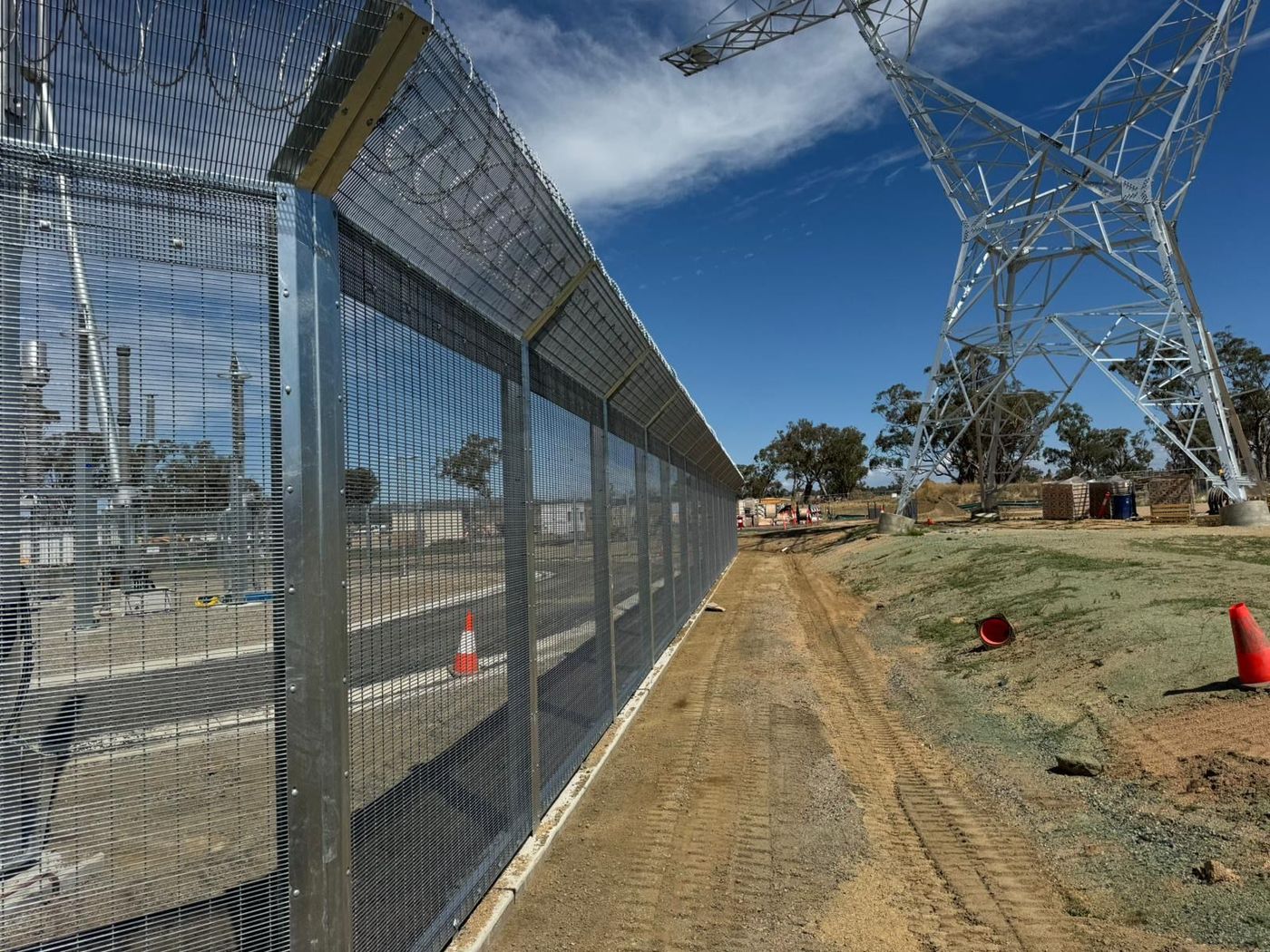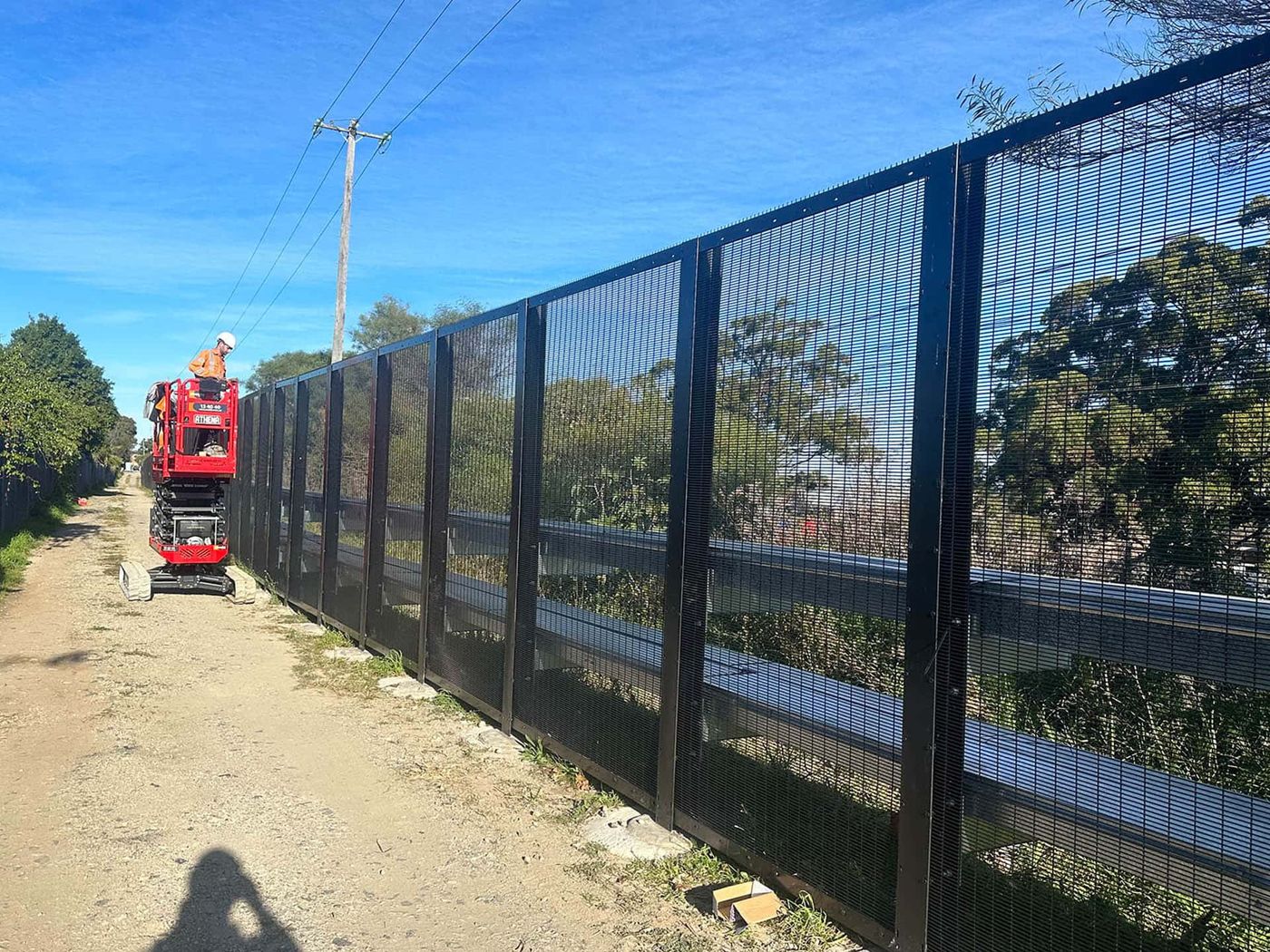
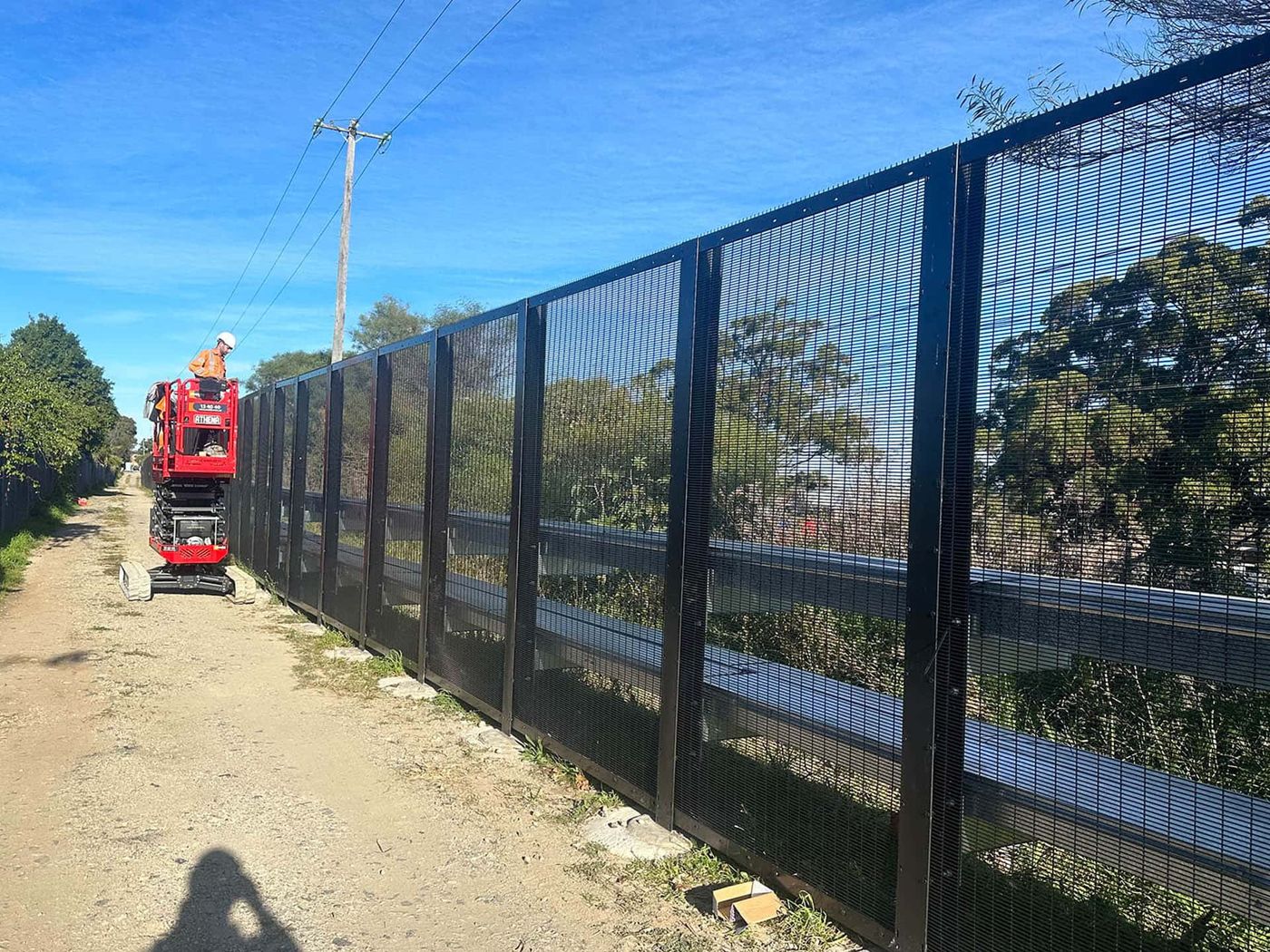
Anti-climb mesh fencing has become the default line of defence for sites where the perimeter is the first and most important control. Of the welded mesh products specified across critical infrastructure in NSW, 358 mesh sits at the top of the hierarchy. It earns that position through a single design decision: an aperture small enough that a finger, a toe or the jaw of a bolt cutter has nowhere to go. For specifiers,
Anti-climb mesh fencing has become the default line of defence for sites where the perimeter is the first and most important control. Of the welded mesh products specified across critical infrastructure in NSW, 358 mesh sits at the top of the hierarchy. It earns that position through a single design decision: an aperture small enough that a finger, a toe or the jaw of a bolt cutter has nowhere to go. For specifiers, security consultants and project managers writing a perimeter into a tender, understanding why 358 behaves the way it does is the difference between a fence that meets the threat and one that merely looks the part.
This article sets out what 358 mesh is, why it carries that name, where its security performance comes from, the configurations available, and the site types it is built for. It is written for people who specify and install perimeters, not for those choosing a garden boundary.
What 358 Mesh Is and Why It Is Called 358
The name 358 is a direct description of the aperture and wire gauge, expressed in imperial units that have stuck with the product since its introduction. The three figures refer to:
- 3 inches - the vertical dimension of each rectangular aperture (approximately 76 mm)
- 0.5 inches - the horizontal dimension of each aperture (approximately 12.7 mm)
- 8 gauge - the wire diameter, approximately 4 mm
The result is a tall, narrow rectangular opening in a welded steel mesh panel. Each intersection of horizontal and vertical wires is resistance welded, which gives the panel its rigidity and removes the weak points found in woven or twisted products. Because the apertures are so tight, the mesh is often described as a “prison mesh” or “anti-climb mesh”, and both names point to the same property: there is almost nothing for a hand or foot to grip, and very little room to introduce a cutting tool.
The Aperture and How It Resists Climbing and Cutting
The 12.7 mm horizontal gap is the controlling figure. A standard adult fingertip cannot pass through it far enough to gain a load-bearing hold, which removes the rungs that an intruder relies on when scaling chain wire or weldmesh with larger openings. There is no toehold, so the panel offers no ladder.
The same narrow aperture frustrates cutting. Hand tools such as bolt cutters and cable cutters need to seat their jaws around a wire to apply leverage. With only 12.7 mm of clearance, the jaws cannot open around an individual wire and bite cleanly, and the welded intersections resist the panel being peeled or distorted. An intruder is forced toward power tools, which are noisy, time-consuming and far more likely to be detected. For a perimeter, that delay is the point. Security is measured in the time a barrier buys for a response, and 358 extends that time considerably over open-aperture alternatives.
Security Advantages for High-Risk Sites
The performance characteristics of 358 mesh map directly onto the requirements a security consultant works through when assessing a perimeter:
- No foothold for climbing - the tight aperture denies the hand and foot holds that make other fences scalable
- High cut resistance - hand tools struggle to seat on the wire, pushing attackers toward detectable power tools
- Anti-vandal performance - the welded, rigid panel resists being prised, bent or levered apart
- See-through for surveillance - the open mesh allows clear sightlines for CCTV, guards and patrols, with no solid face for an intruder to hide behind
- Topping compatibility - the panel accepts razor or barbed additions where the threat profile calls for an extended barrier
The surveillance point deserves emphasis. Solid hoarding and palisade with close pales can create blind spots, whereas a 358 line keeps the area beyond the fence visible. That visibility supports electronic detection systems and lets a response team see what they are approaching. The product also presents a deliberate visual deterrent: the dense mesh reads as a hardened perimeter, and a prepared intruder recognises it as a difficult target. These properties are why 358 is a frequent choice across high-security fencing projects.
Typical Specifications and Configurations
358 mesh is supplied as a system of panels, posts and fixings, and the specification is adjusted to the assessed threat level and site conditions.
Heights
Panel heights are selected to suit the perimeter’s role. Lower runs may be specified where the mesh defines a controlled boundary within a secured site, while full-height runs are used on the outer line of critical infrastructure. Where the brief calls for the maximum barrier, panels are run tall and topped, and the post and footing design is set to carry the additional load and any topping.
Toppings
Where an extended deterrent is required, the panel can be finished with a barbed or razor topping, or with extension arms carrying additional strands. The decision is driven by the threat assessment and the site’s operational context, since some environments restrict razor products. The base mesh already delivers strong anti-climb performance, so toppings are an addition for elevated-risk perimeters rather than a default.
Construction and Finishes
The defining feature is the welded construction. Every wire intersection is welded, producing a panel that holds its shape under attack and over a long service life. Finishes are selected for the environment and for asset longevity:
- Galvanised - hot-dip or pre-galvanised coating for corrosion protection, suited to exposed and coastal NSW perimeters
- Powder coated - applied over galvanising for a duplex finish that adds durability and allows colour selection to suit site or planning requirements
Posts are typically steel sections sized to the panel height and topping, set in concrete footings designed for the soil and exposure. Tamper-resistant fixings are standard, since the integrity of a 358 line depends on the panel staying fixed to the post under sustained attack. The full configuration sits within the broader range of security fencing systems matched to each project brief.
Where 358 Mesh Is Used
358 is specified wherever an open perimeter would present an unacceptable risk. Common applications across NSW and nationally include:
- Substations and electrical infrastructure - protecting energised assets and meeting network operator perimeter requirements
- Critical infrastructure and utilities - water, gas, telecommunications and pumping assets where loss of access has wide consequences
- Data centres - layered perimeters protecting high-value, continuously operating facilities
- Government and Defence sites - secured estates where the perimeter forms part of a wider security regime
- Prisons and detention facilities - the application the product is often named for, controlling both ingress and egress
- Schools and education campuses - controlling access while maintaining the sightlines that support passive surveillance
- Warehousing and logistics - protecting stock, plant and vehicle compounds against organised theft
In each case the common thread is a need for a hardened, see-through barrier that delays a determined intruder and supports the detection and response systems around it.
How 358 Compares With Chain Wire and Palisade
Each of the main perimeter products has a place, and the right choice depends on the threat, the site and the operational requirement.
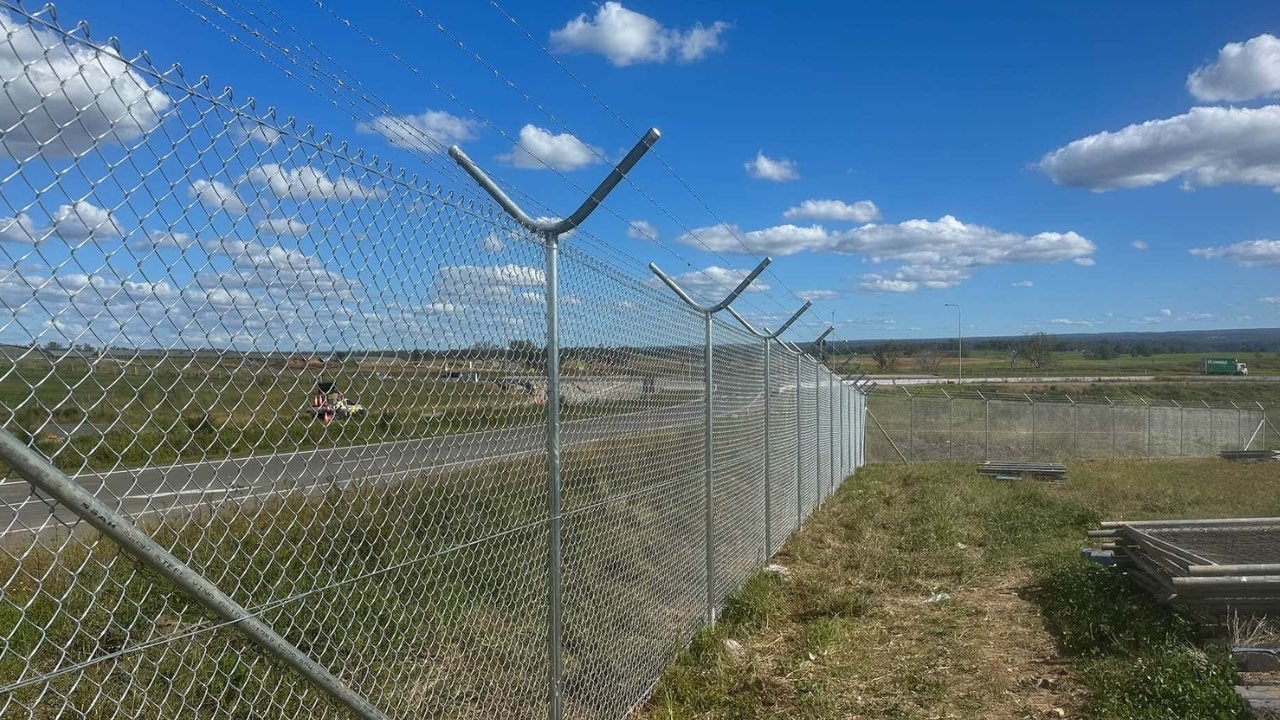
Chain wire is a flexible, economical demarcation product. It suits boundaries, sports facilities and general site enclosure where the primary job is to define an area and provide a basic deterrent. Its larger aperture and woven construction make it straightforward to climb and to cut, so it is not intended to resist a determined attack on a high-value asset.
Palisade uses vertical steel pales, often with pointed or splayed tops, and presents a strong visual deterrent with good resistance to climbing. Its strength is the imposing vertical face. The spacing between pales, however, leaves gaps that can support a foothold in some designs and creates partial blind spots compared with a fully open mesh.
358 mesh sits at the high-security end. It combines the see-through sightlines of open mesh with anti-climb and anti-cut performance that neither chain wire nor standard palisade matches, which is why it is the common specification for substations, Defence and detention. The selection is a matter of fitting the product to the risk rather than ranking one above another. For projects where the assessed threat justifies the highest mesh-based protection, 358 is the natural starting point - the dedicated 358 anti-climb mesh system is built for exactly that role.
Installation and Site Considerations
The security performance of 358 mesh is only realised if the installation matches the panel. Several factors shape a compliant, durable line:
- Ground line management - the panel must be set close to grade, with attention to uneven ground, since a gap at the base undermines the entire barrier
- Footings and post design - sized for panel height, topping load, wind exposure and soil conditions across the run
- Raking and stepping - sloped sites require panels to be raked or stepped while maintaining the close ground line and consistent height
- Integration with other systems - coordination with gates, CCTV, detection systems, lighting and access control so the fence forms part of a complete perimeter
- Tamper-resistant fixings - specified throughout so panels cannot be unbolted from the attack side
- Service and access points - sliding or swing gates engineered to the same standard as the line, since a gate is a common weak point
On secured and operational sites these factors also intersect with site inductions, staging and program constraints, which is where experience on tier 1 and government works matters. A perimeter specified correctly but installed without regard to ground line, footings and integration will not deliver the protection the design intends.
Frequently Asked Questions
What aperture size makes 358 mesh anti-climb?
The horizontal aperture of approximately 12.7 mm (0.5 inch) is the key dimension. It is too narrow for a fingertip or toe to gain a load-bearing hold, so the panel offers no rungs to climb, and too tight for bolt cutter jaws to seat cleanly on an individual wire, which sharply reduces cut vulnerability with hand tools.
Can 358 mesh be topped with razor or barbed wire?
Yes. The panel readily accepts barbed or razor toppings, or extension arms carrying additional strands, where the threat assessment calls for an extended barrier. Whether a topping is appropriate depends on the site’s operational and planning context, as some environments restrict razor products. The base mesh already provides strong anti-climb performance on its own.
What finishes are available for 358 mesh in NSW conditions?
Galvanising provides corrosion protection suited to exposed and coastal environments, and a powder coat can be applied over the galvanising as a duplex finish for added durability and colour selection. The finish is chosen for asset longevity and any site or planning colour requirements.
How does 358 mesh suit CCTV and surveillance perimeters?
The open mesh maintains clear sightlines through the fence, so cameras, guards and patrols can observe the area on both sides without the blind spots created by solid barriers. This visibility supports electronic detection systems and gives a response team a clear view of an approaching threat, while the panel itself remains a hardened physical barrier.
Is 358 mesh suitable for substations and Defence sites?
It is one of the standard products for these applications. Substations, critical infrastructure, government and Defence estates rely on a perimeter that resists climbing and cutting while keeping sightlines open, and 358 meets that combination of requirements, which is why it appears so consistently across high-security perimeters.
Conclusion
358 anti-climb mesh earns its place at the top of the welded-mesh hierarchy through one disciplined idea: an aperture small enough to deny grip and frustrate cutting, set in a welded panel rigid enough to hold under attack while staying see-through for surveillance. For substations, data centres, Defence sites, detention facilities and utilities across NSW, it delivers the delay and visibility a serious perimeter demands.
LS Fencing Services supplies and installs 358 anti-climb mesh for high-security projects across Sydney and greater NSW, with a track record on tier 1 and government works. To specify 358 for your project or discuss the right configuration for your site, contact LS Fencing Services to talk through the perimeter requirements.
Specifying or pricing a perimeter?
Send the drawings or a brief and LS Fencing Services will come back with a detailed proposal.