A fence topping is what stops someone going over a fence that is too tall to step across but not too tall to climb. Razorback fence spikes, razor wire and barbed wire all do that job, but they do it differently, look very different from the street, and carry different approval and liability questions.
A fence topping is what stops someone going over a fence that is too tall to step across but not too tall to climb. Razorback fence spikes, razor wire and barbed wire all do that job, but they do it differently, look very different from the street, and carry different approval and liability questions.
Here is how to choose between them on a commercial or industrial site in NSW.
What a topping actually adds
A climber's weak point is the top of the fence. That is where they have to shift their weight, get a leg over and drop down the other side. A good topping makes that moment slow, awkward or painful, and it makes the attempt obvious to anyone watching.
A topping does not fix a fence that is easy to get through. If the mesh can be cut in a minute, or the bottom of the fence can be lifted, start there. A topping on a weak fence is mostly decoration.
Razorback fence spikes
Razorback spikes are steel strips with upward-pointing teeth or blades, bolted or welded along the top rail of a fence, wall or gate. They come in galvanised or powder coated finishes and sit flush with the fence line.
Where they work well:
- Gates, where coils of wire would snag or get in the way of the gate moving
- Palisade and tubular fences on street frontages, where the site wants a deterrent that looks tidy
- Walls, roof edges, downpipes and the tops of sheds where people climb to get over
- Short runs and awkward details that are hard to fit a coil to
Their limit is height. A spike strip adds very little to the overall height of the fence, so it deters rather than blocks. Someone with a thick blanket or a piece of carpet can still get across.
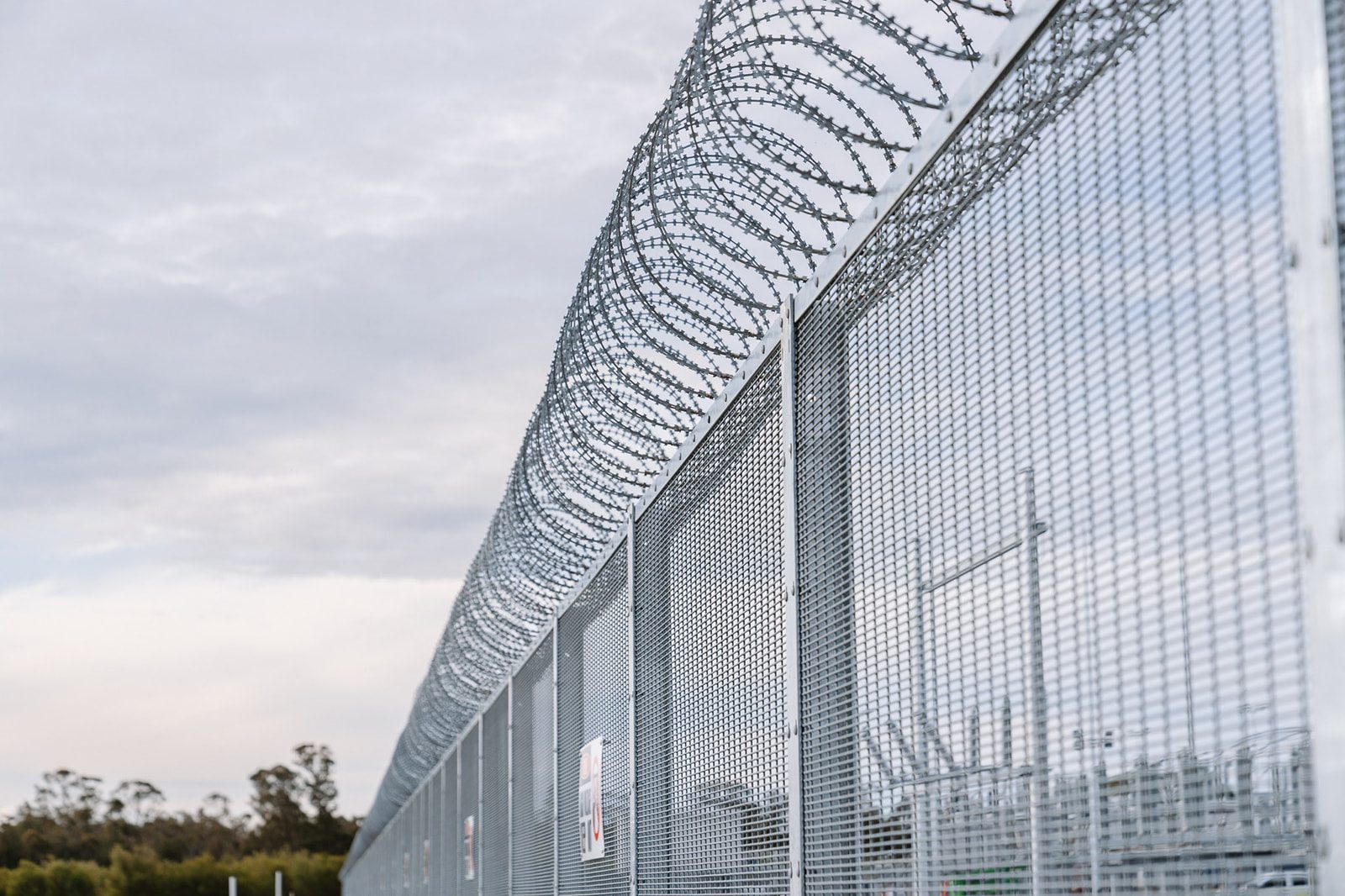
Razor wire
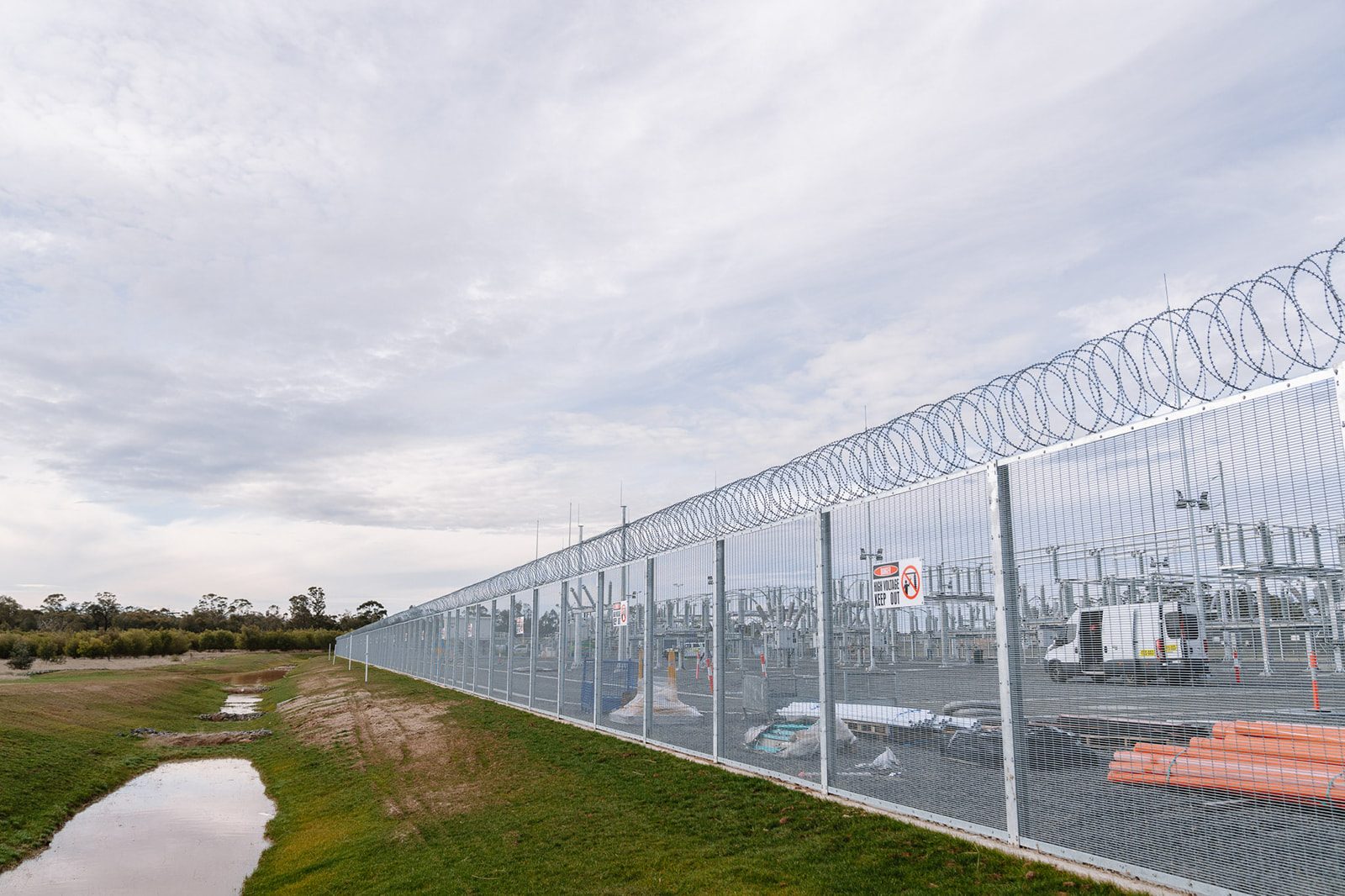
Razor wire, also called barbed tape, has blades die cut along a high tensile steel core. LS Fencing Services supplies it in two forms, as described on our razor wire page:
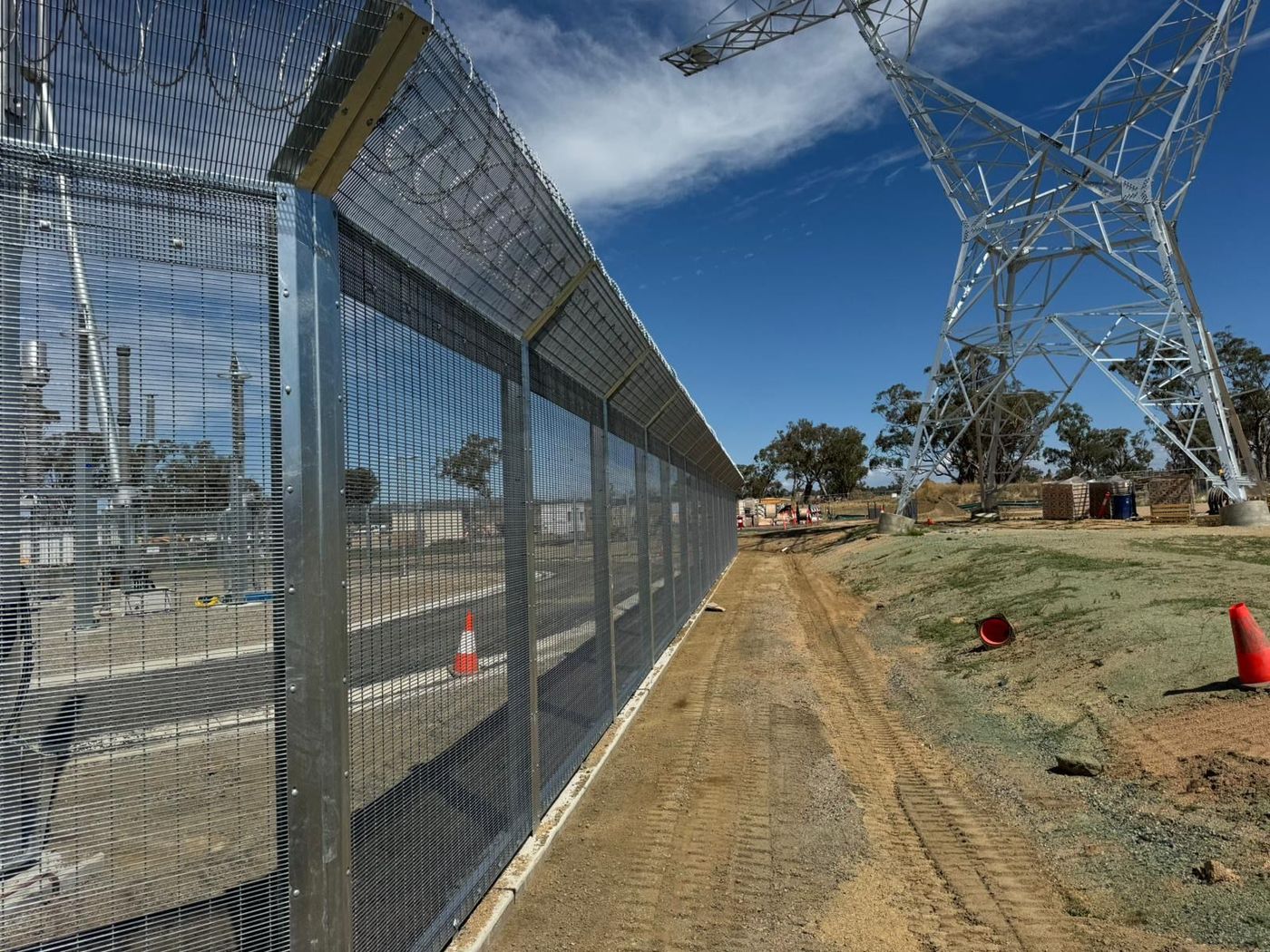
- Concertina coil forms a self-supporting cylinder on top of the fence. It is the strongest deterrent of the three and looks like it.
- Flat loop clips flat along the top of the fence, parallel to the line. It suits gate tops and boundaries where nothing can hang over a neighbour.
Razor wire is standard on utility compounds, correctional facilities, fuel and gas sites and depots holding high value stock. The Jemena gas compound at Horsley Park and the TransGrid perimeter at the New England Solar Farm both carry it.
Barbed wire
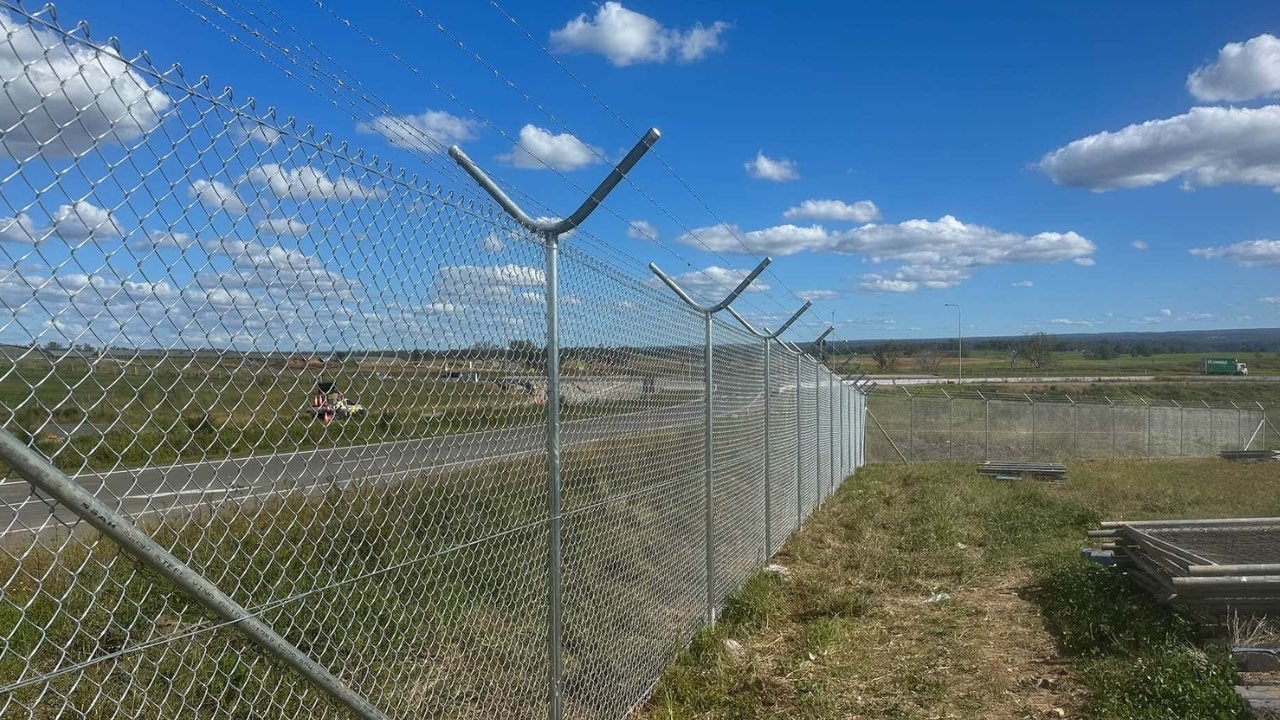
Barbed wire on angled arms is the oldest and cheapest option. Three or more strands on a 45 degree outrigger add height and make climbing awkward. It suits long rural or semi-rural boundaries, the outer line of large sites and chainwire fences where the risk is mostly opportunistic.
It is easier to cut and easier to cross with a blanket than razor wire, and it does little against someone who has planned the attempt.
The honest caveat: a topping can injure the wrong person
Razor wire and spikes are designed to hurt. That is the point, and it is also the problem. A topping that injures a trespasser, a child retrieving a ball or a worker on a ladder can create a liability question for the site owner, and occupiers in NSW owe a duty of care to people who come onto their land, invited or not.
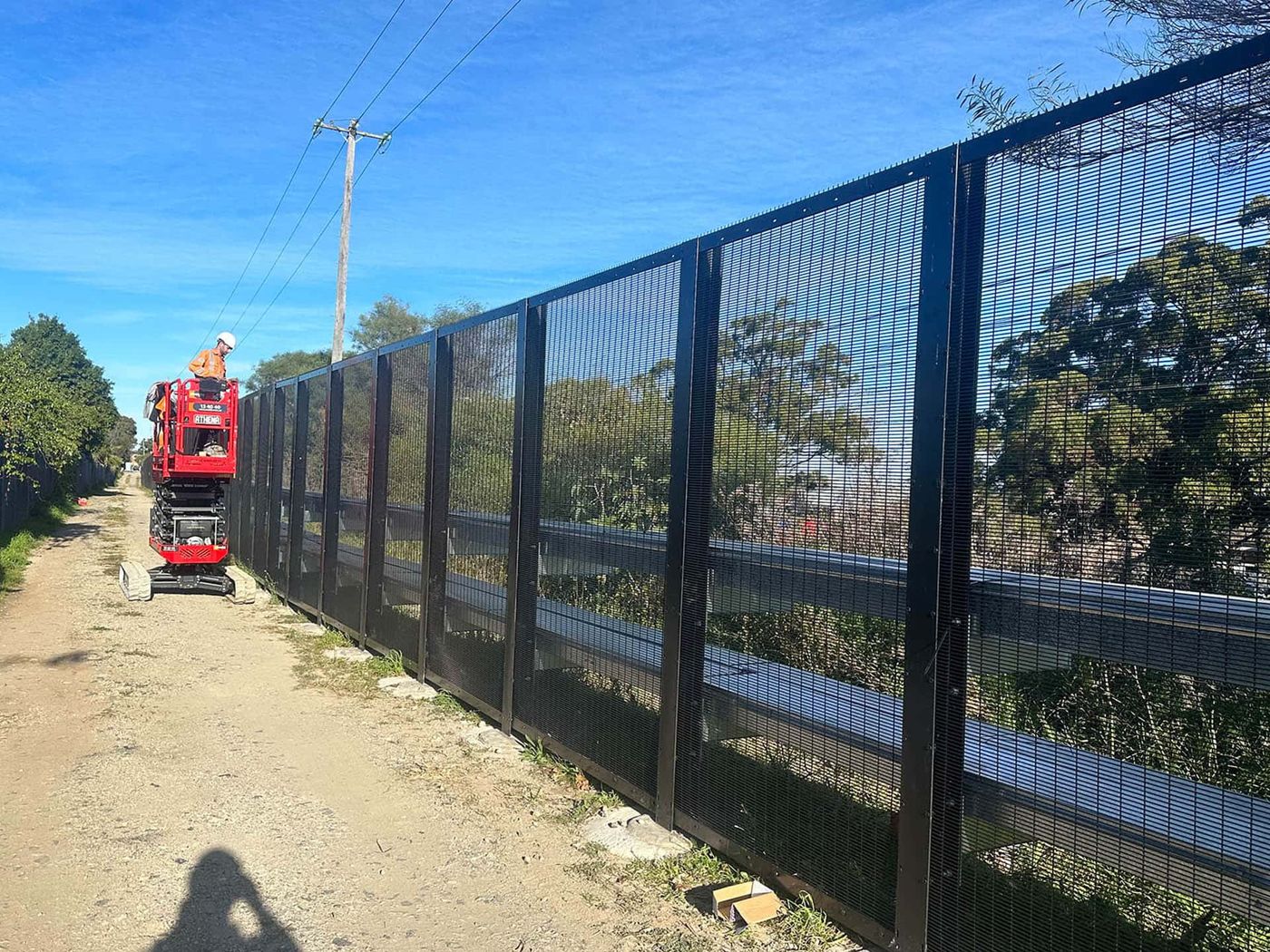
That is why we often talk clients out of razor wire on public frontages next to footpaths, schools, parks and homes. On those boundaries, a taller 358 anti-climb mesh fence usually gives as much protection without the risk or the prison look. Keep the razor wire for the back of the site, the compound or the boundary nobody walks past.
Approvals to check before you install
Toppings are often treated as part of the fence for planning purposes, and local councils take different views. Before you order:
- Check the development consent for the site. Many industrial consents set fence heights and sometimes ban barbed or razor wire on street frontages.
- Check whether your council's development control plan says anything about security fencing in your zone. The NSW Planning Portal shows the zoning and links to the controls.
- Ask whether the topping overhangs a neighbour, a footpath or a road reserve. Overhang usually needs the owner's or the council's agreement.
- For work at height during installation, the installer should be working to a safe work method statement under SafeWork NSW requirements.
On utility, defence and correctional sites, the asset owner's own standard normally decides the topping, and council approval may not apply in the same way.
Quick comparison
- Most visible deterrent: concertina razor wire
- Tidiest look: razorback spikes
- Best for gates: razorback spikes or flat loop razor wire
- Cheapest for long boundaries: barbed wire on arms
- Lowest injury risk near the public: no topping and a taller anti-climb fence
The next step
Decide which boundary faces the public and which does not, then match the topping to each. Send LS Fencing Services a site plan or a few photos on 1800 572 878 and we will recommend a topping for each section, including the gates and any palisade fencing on the frontage.
Specifying or pricing a perimeter?
Send the drawings or a brief and LS Fencing Services will come back with a detailed proposal.