Steel palisade fencing, welded mesh and 358 anti-climb mesh are the three fences most commercial and industrial sites in NSW end up choosing between. All three are strong. The right one depends on what you are protecting, who needs to see through it, and what the street frontage needs to look like.
Steel palisade fencing, welded mesh and 358 anti-climb mesh are the three fences most commercial and industrial sites in NSW end up choosing between. All three are strong. The right one depends on what you are protecting, who needs to see through it, and what the street frontage needs to look like.
Here is a plain comparison, from the crew that installs all three.
The short answer
- Choose 358 mesh when deliberate intrusion is the main risk and you need to see through the fence.
- Choose steel palisade when you want a strong, imposing frontage and visibility through the fence matters less.
- Choose general welded mesh when you want a clean, modern security fence at a lower cost than 358, for moderate risk sites.
The rest of this article explains why.
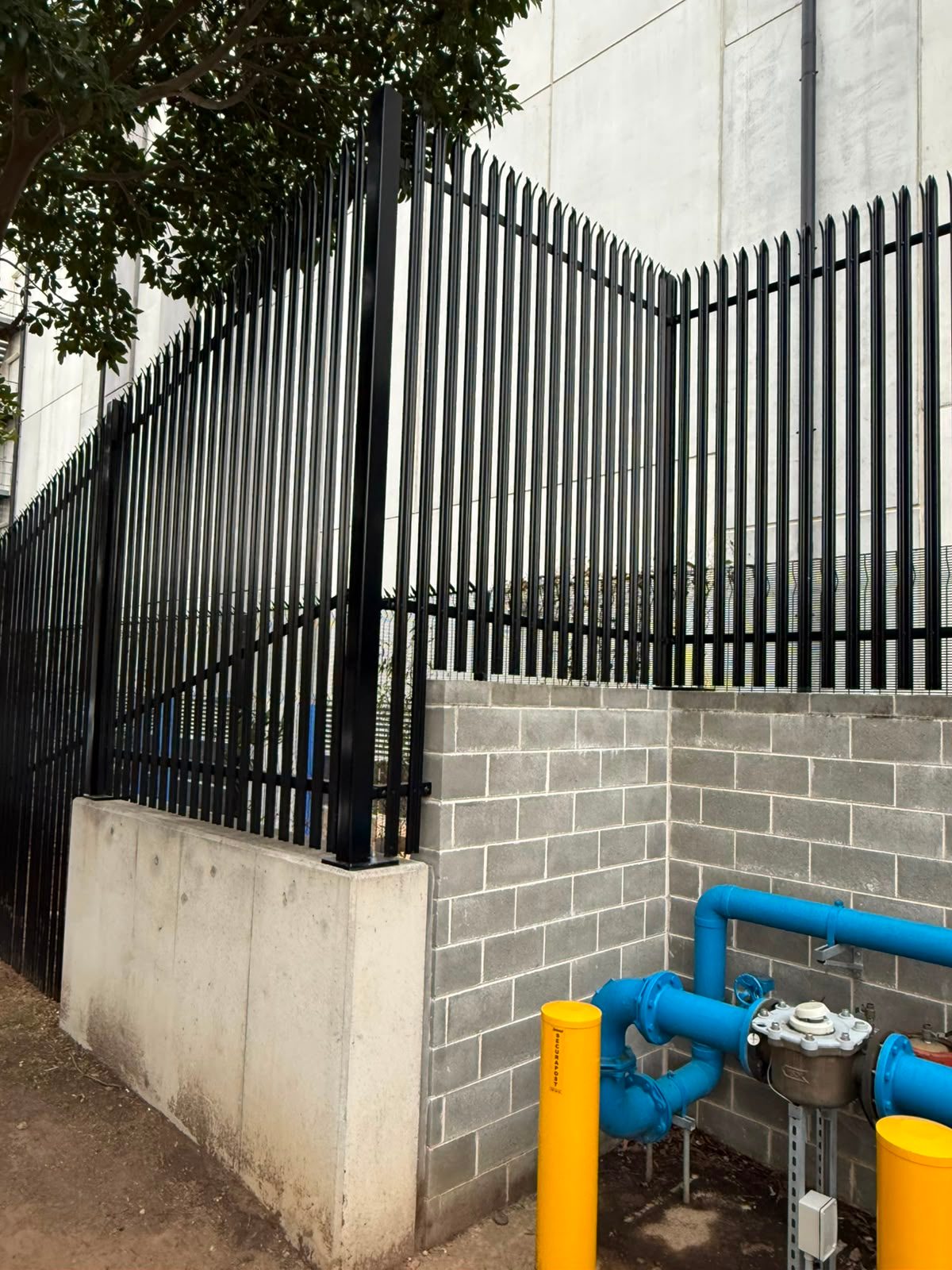
Steel palisade fencing
Palisade is made of vertical steel pales, usually with pointed or triple-pointed tops, bolted to horizontal rails between steel posts. The pales are pressed or roll-formed from galvanised steel and often powder coated.
Strengths:
- It looks like security. The vertical pales and pointed tops send a clear message from the street.
- It is hard to climb when the rails are on the secure side and the tops are splayed.
- Individual damaged pales can be replaced without replacing whole panels.
Weaknesses:
- Sightlines are reduced, especially when viewed at an angle, which matters for cameras and patrols.
- The gaps between pales can give small hands and tools a way in.
- Bolted fixings need to be the anti-tamper kind, or the fence can be taken apart with a spanner.
Palisade is a common choice for utility frontages, industrial estates and depots on main roads. Our palisade fence page covers profiles and heights.
Welded mesh
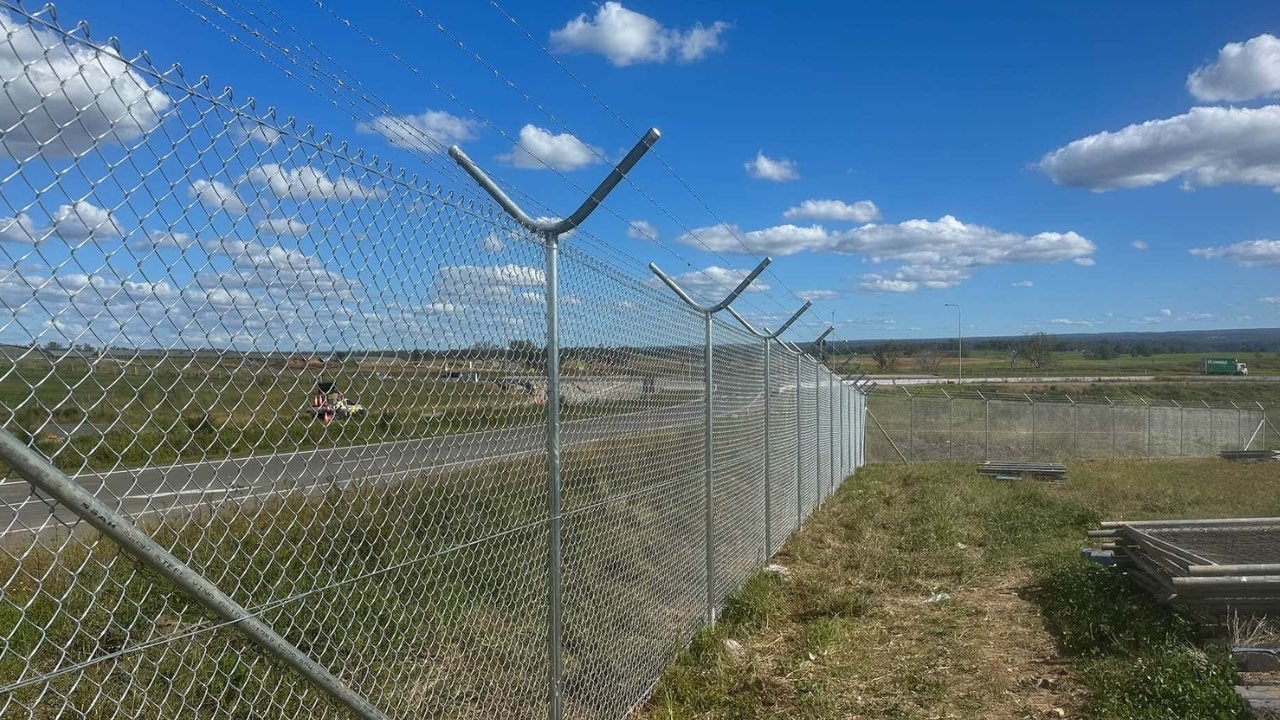
Welded mesh security fencing uses flat panels of steel wire welded at every crossing point, often with a folded "V" profile for stiffness. Apertures are commonly around 200mm by 50mm.
Strengths:
- Clean, modern look that suits business parks, schools and council sites.
- Good visibility in every direction.
- Quick to install and usually cheaper than palisade or 358 mesh.
Weaknesses:
- The larger apertures give a foothold and room for bolt cutters, so it is better at stopping casual entry than determined intrusion.
See our welded mesh security fencing page for panel types.
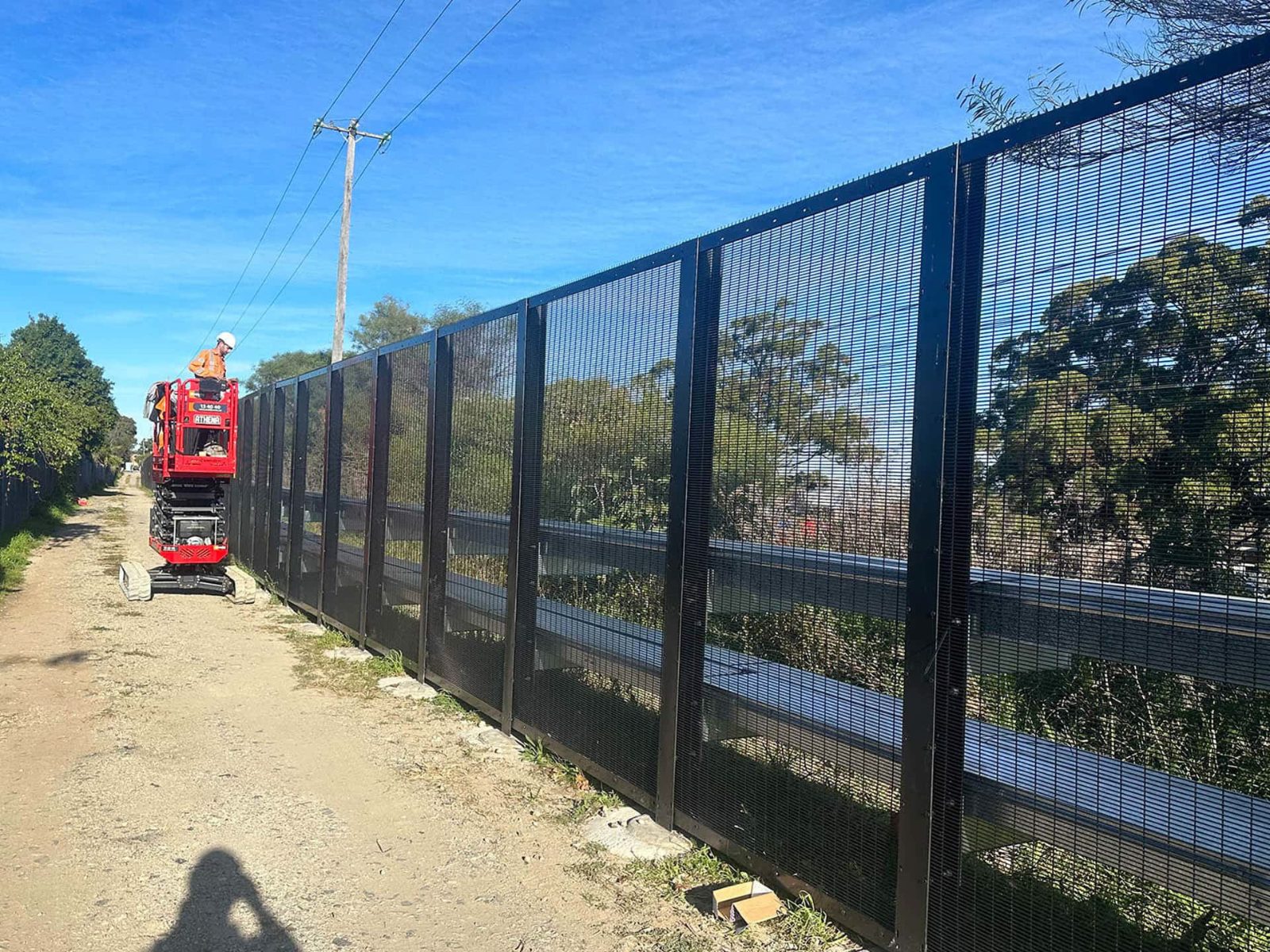
358 anti-climb mesh
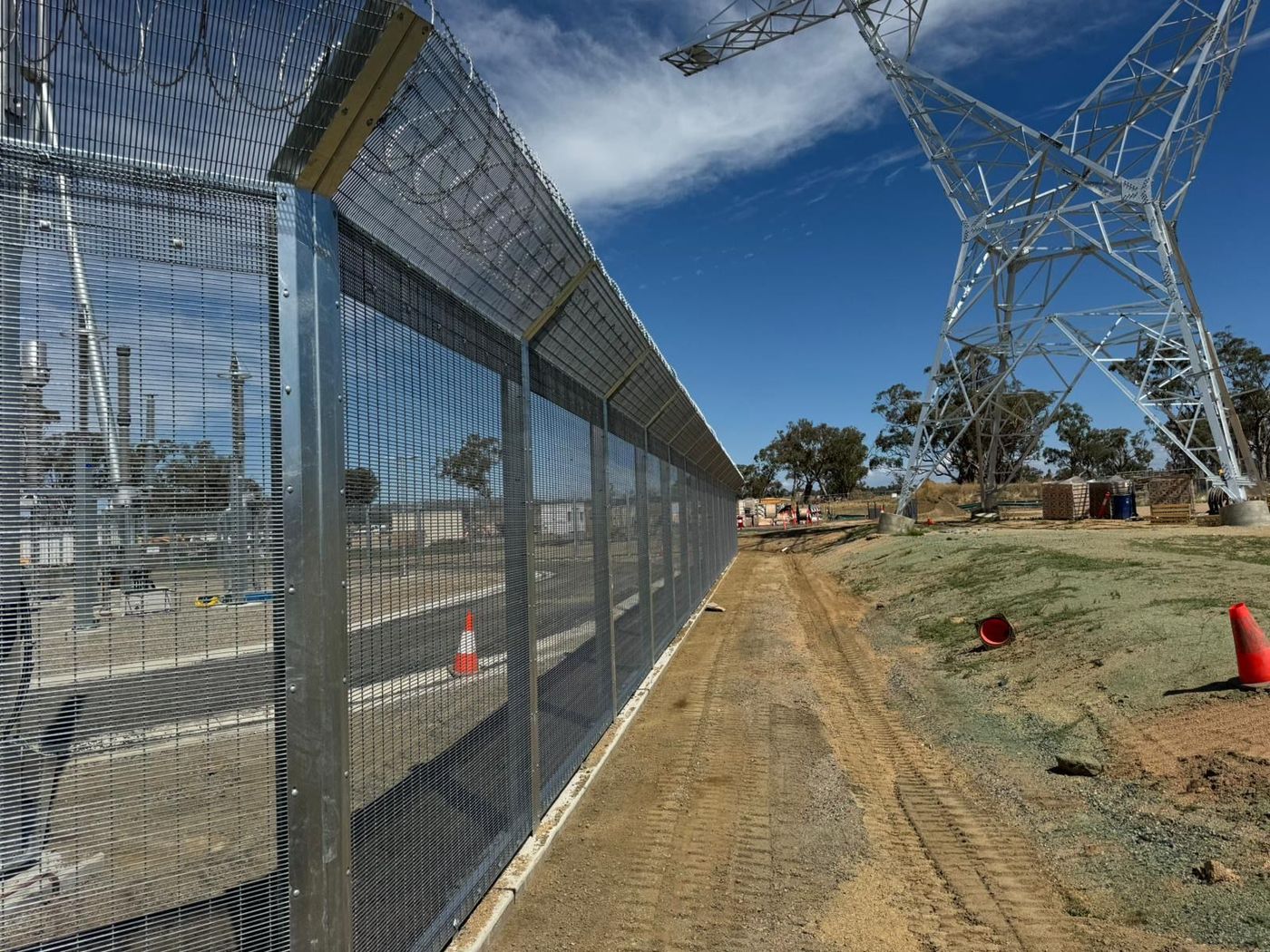
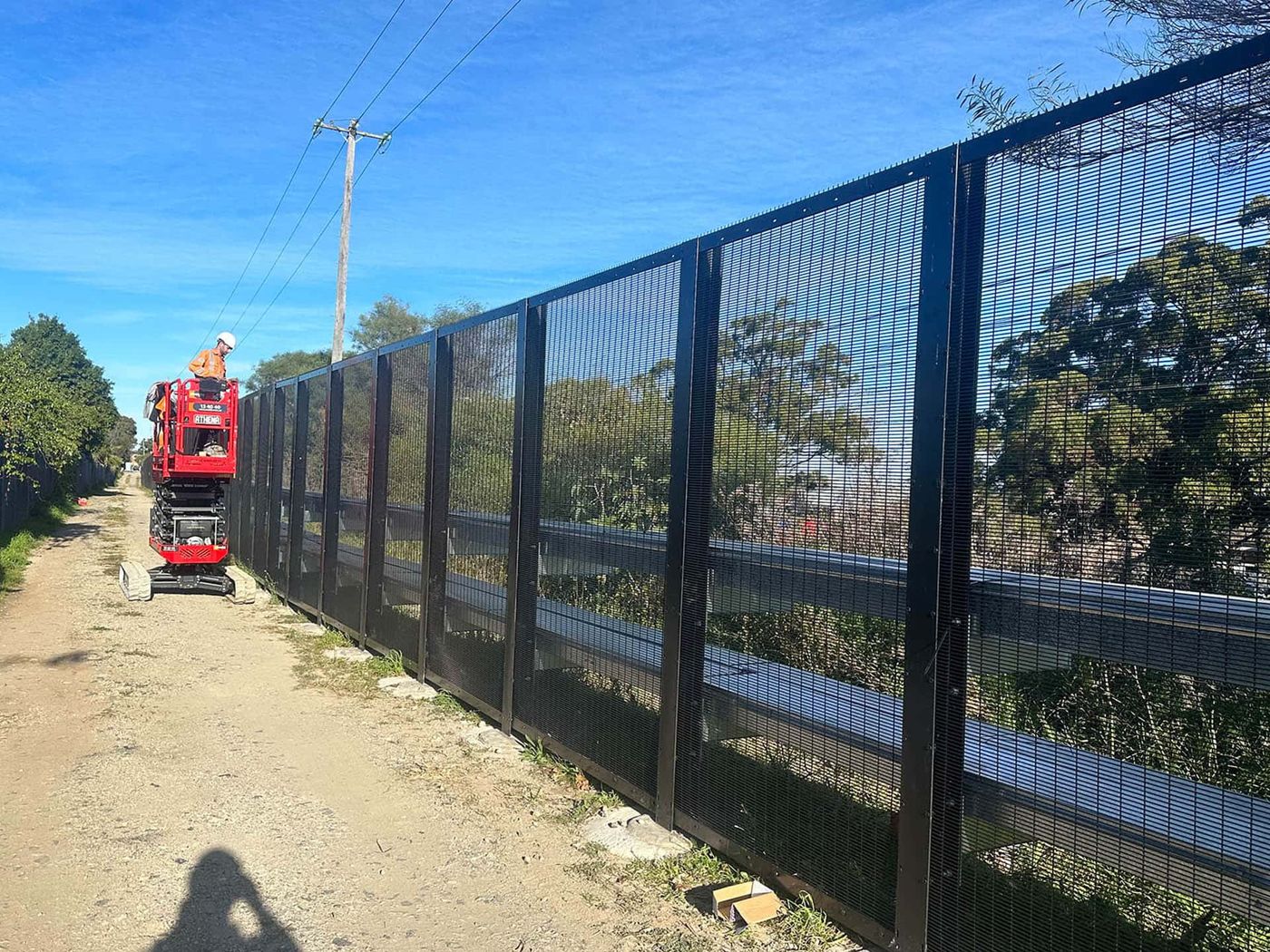
358 mesh is a welded mesh with very small apertures, 76.2mm by 12.7mm. The name comes from the imperial measurements: 3 inches by half an inch, in 8 gauge wire.
Strengths:
- No foothold and almost no finger hold, so it is very hard to climb.
- The close wires are hard to cut, so making a hole big enough for a person takes many cuts and a lot of time.
- Excellent visibility, which keeps cameras effective.
Weaknesses:
- It costs more than standard welded mesh.
- From a distance it can look industrial, which some councils and neighbours dislike on a residential edge.
358 mesh is the standard on substations, data centres, correctional facilities and high value yards.
How they compare side by side
- Climb resistance: 358 mesh highest, palisade high, welded mesh moderate
- Cut resistance: 358 mesh highest, palisade high, welded mesh moderate
- Visibility through the fence: 358 mesh and welded mesh good, palisade lower
- Street presence: palisade strongest, welded mesh softest
- Repair: palisade by the pale, mesh by the panel
- Typical cost: welded mesh lowest, palisade and 358 mesh higher
The honest caveat: the fence type matters less than the details
Clients often spend weeks choosing between palisade and mesh, then accept a quote with posts too far apart, shallow footings and standard bolts. Those details decide how the fence performs far more than the infill does. A 358 mesh fence with a 100mm gap under it and posts that can be levered out is weaker than a well-built welded mesh fence.
When comparing quotes, check post size and spacing, footing depth, the type of fixings and the ground clearance. If those are not on the quote, ask.
Which one for which site
- Substation, data centre or correctional site: 358 mesh, often with a topping.
- Industrial frontage on a main road: palisade, with 358 mesh on the side and rear boundaries where it is cheaper to see through.
- School, council or business park: welded mesh, or 358 mesh where there is a history of break-ins.
- Depot holding fuel, tools or copper: 358 mesh around the compound, palisade or welded mesh on the outer line.
Many sites mix fence types. That is normal, and usually the best value. Compliance with the relevant Australian Standards is covered on our security fence compliance page, and Standards Australia publishes the standards themselves.
The next step
Mark up your site plan with the risk on each boundary, then ask for a priced scope for each section. LS Fencing Services installs palisade, welded mesh and 358 anti-climb mesh across Sydney and NSW. Call 1800 572 878 or send your drawings through the contact page.
Specifying or pricing a perimeter?
Send the drawings or a brief and LS Fencing Services will come back with a detailed proposal.