For any commercial, industrial or infrastructure site, the perimeter is only as strong as its weakest point of entry. A high-security fence line can run unbroken for hundreds of metres, but the moment a vehicle or person needs to pass through it, that boundary becomes a managed opening. How that opening is controlled, who is allowed through, and how the gate behaves under daily traffic loads are decisions that sit at
For any commercial, industrial or infrastructure site, the perimeter is only as strong as its weakest point of entry. A high-security fence line can run unbroken for hundreds of metres, but the moment a vehicle or person needs to pass through it, that boundary becomes a managed opening. How that opening is controlled, who is allowed through, and how the gate behaves under daily traffic loads are decisions that sit at the centre of perimeter security planning. For facility managers, security consultants and project specifiers, the gate is not an afterthought to the fence. It is the part of the system that does the most work.
LS Fencing Services supplies and installs access-controlled and automated gates for commercial and infrastructure projects across Sydney and greater NSW, with a track record on tier 1 and government works. This article sets out how controlled access fits into perimeter security, the gate types available to commercial sites, the automation and access control options that govern them, and the safety and compliance factors that decision-makers need to weigh before specifying a solution.
Why controlled access is core to perimeter security
A perimeter fence defines a boundary. An access-controlled gate enforces it. The distinction matters because most security incidents at commercial sites do not involve someone scaling a fence; they involve unauthorised entry through a gate that was open, unmonitored, or easy to tailgate through. Controlling vehicle and pedestrian movement at the boundary lets a site verify identity, log entry and exit, restrict access by time or role, and respond to incidents with a clear record of who was where.
Controlled access also supports the operational side of a site, not only its security posture. Loading docks, contractor compounds, staff car parks and visitor entries each have different traffic patterns and risk profiles. A well-specified access system separates these flows so that a delivery vehicle does not share an entry point with pedestrian staff, and a contractor’s temporary access does not become a permanent vulnerability. The gate is where security policy becomes physical.
Types of commercial gates and where each suits

The right gate depends on site layout, available space, traffic volume and the security level required. The main types used on commercial and high-security sites each have clear strengths.
Sliding gates
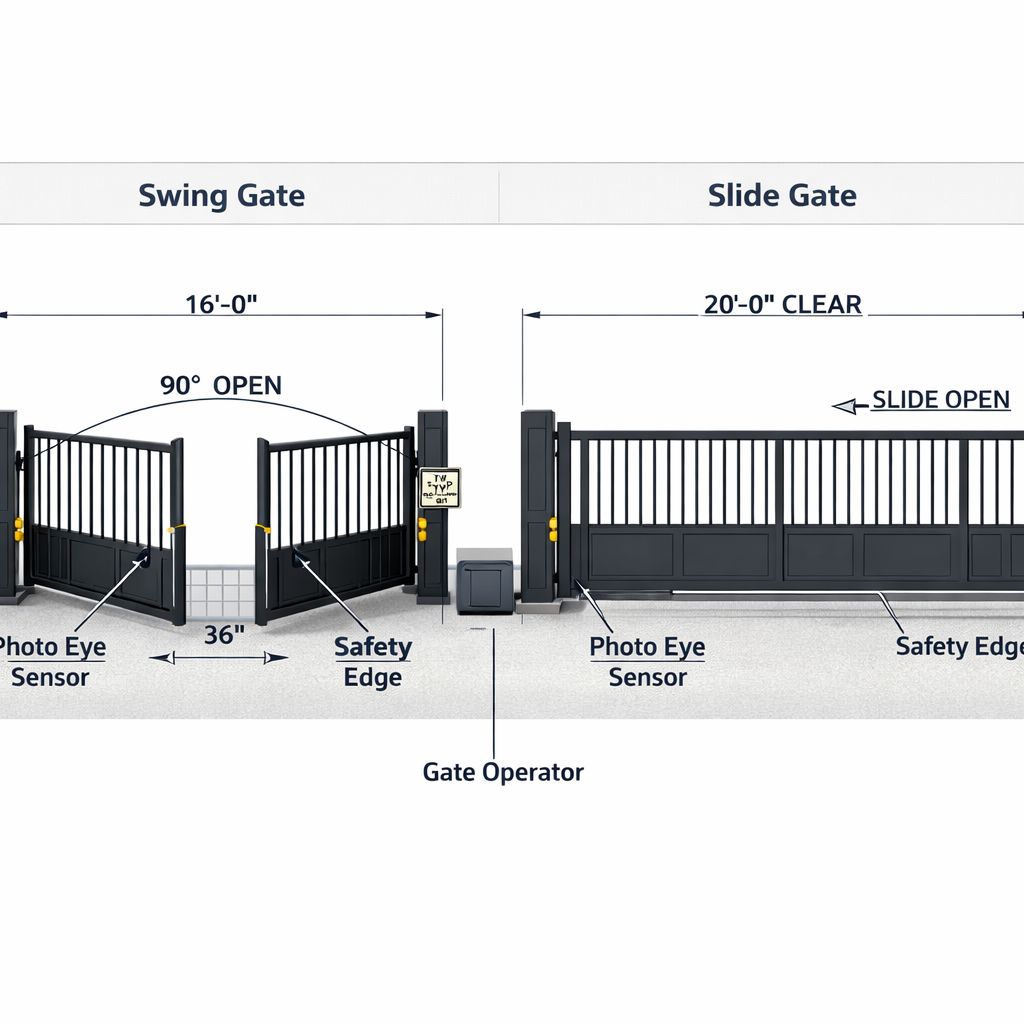
Sliding gates run laterally across the opening on a track or a cantilever arrangement, parallel to the fence line. They suit sites where there is no room for a gate to swing into a roadway or compound, and they handle wide vehicle openings well. Because they do not project into the path of approaching traffic, sliding gates are a common choice for busy entries, loading areas and sites with sloping or restricted ground. LS Fencing supplies and installs commercial sliding gates matched to the span and duty cycle of the entry.
Cantilever gates
A cantilever gate is a sliding gate that carries its weight on a counterbalanced frame rather than a ground track, so the leaf is suspended clear of the driveway. With no track across the opening, there is nothing to collect debris, silt up, or obstruct heavy vehicles, which makes cantilever gates well suited to high-traffic industrial entries and sites where ground conditions make a track impractical. They are often specified where reliability under constant use is the priority.
Swing gates
Swing gates pivot on hinges and open inward or outward, much like a domestic gate scaled up for commercial duty. They are straightforward, have fewer moving parts than sliding systems, and work well on entries where the opening is moderate and there is clear space for the leaf to travel. Single or double leaf configurations cover most requirements. LS Fencing provides commercial swing gates for entries where the layout allows the swing arc and the traffic volume suits the design.
Pedestrian gates
Separating people from vehicles is a basic principle of safe access design. Dedicated pedestrian gates give staff, contractors and visitors a controlled point of entry that does not require them to pass through a vehicle gate. They can be fitted with their own access control, from card readers to keypads, and are usually positioned to channel foot traffic toward a reception, muster point or sign-in area. On a secure site, a pedestrian gate that integrates with the same access system as the vehicle gates keeps the audit trail consistent across every entry.
Automation and access control options
Automation turns a gate from a physical barrier into a managed access point. The control layer decides who gets through, when, and on what authority, and it is here that a commercial system earns its place. The options below can be combined to match the security level and traffic profile of the site.
- Intercoms - audio or video intercoms let a guard, receptionist or remote operator verify a caller before granting entry, which is valuable for visitor and contractor management.
- Card and fob readers - proximity cards and fobs give each user a credential that can be issued, logged and revoked individually, so access follows the person rather than a shared key.
- Keypads - PIN-based entry suits lower-traffic points or as a secondary method, with codes that can be changed or assigned per user.
- Number plate recognition - automatic number plate recognition reads vehicle plates and opens the gate for known vehicles, which keeps fleet and staff traffic moving without a manual credential at each pass.
- Remote and scheduled access - gates can be opened remotely by an operator and set to open, lock or change mode on a schedule, so entries behave differently during work hours, after hours and on weekends.
- Integration with CCTV and site security - tying the gate into the wider security system links every entry event to camera footage and the site’s monitoring platform, giving a single record of access across the perimeter.
The value of an integrated approach is that access events, video and alarms sit together rather than in separate silos. When a gate opens, the system can record the credential used, the vehicle or person, and the corresponding footage, which matters for both day-to-day operations and incident investigation. LS Fencing designs gate automation and access control to work as part of the site’s security infrastructure rather than as a standalone fixture.
Safety and compliance for automated gates
An automated gate is a powered machine moving a heavy leaf in an area used by people and vehicles, so safety is a design requirement, not an optional extra. Specifiers should expect any automated commercial gate to address the recognised hazards: crushing, shearing, drawing-in and impact points where the gate meets fixed structures or where a person could be caught.
Standard safety measures on a properly engineered automated gate include:
- Safety edges and sensors that detect an obstruction and stop or reverse the gate before contact.
- Photocells across the opening to halt movement if the path is not clear.
- Force limitation so the gate’s drive does not exert dangerous pressure.
- Manual release for safe operation during a power loss or fault.
- Clear warning signage and defined separation between pedestrian and vehicle paths.
Automated gates installed in workplaces fall under work health and safety obligations, and the equipment is expected to be designed, installed and maintained so that it operates safely throughout its service life. Ongoing maintenance is part of compliance, not a separate concern, because safety devices only protect people if they are tested and kept in working order. Specifying a gate from an installer who builds these protections in from the outset avoids retrofitting them later under scrutiny.
Matching the gate and automation to the site
There is no single correct gate for every commercial entry. The right specification comes from reading the site honestly against a few key variables.
- Traffic volume and duty cycle - a gate that opens a few times a day has very different requirements to one cycling hundreds of times. High-frequency entries need motors and components rated for continuous duty.
- Site layout and available space - the room to swing or slide, the gradient of the driveway, and the position of buildings and roadways all narrow the gate type before security is even considered.
- Security level - a staff car park and a critical infrastructure boundary call for different access methods, gate construction and integration depth.
- User mix - the balance of staff, fleet, contractors and visitors determines how many credential types and access flows the system must manage.
These factors interact. A high-volume industrial entry on flat ground with mixed fleet and contractor traffic might point to a cantilever gate with number plate recognition for fleet and intercom-managed entry for visitors. A secure compound with limited frontage might call for a sliding gate and card access tied to CCTV. The specification follows the site, not the other way around.
Why the gate must integrate with the fence and the wider system
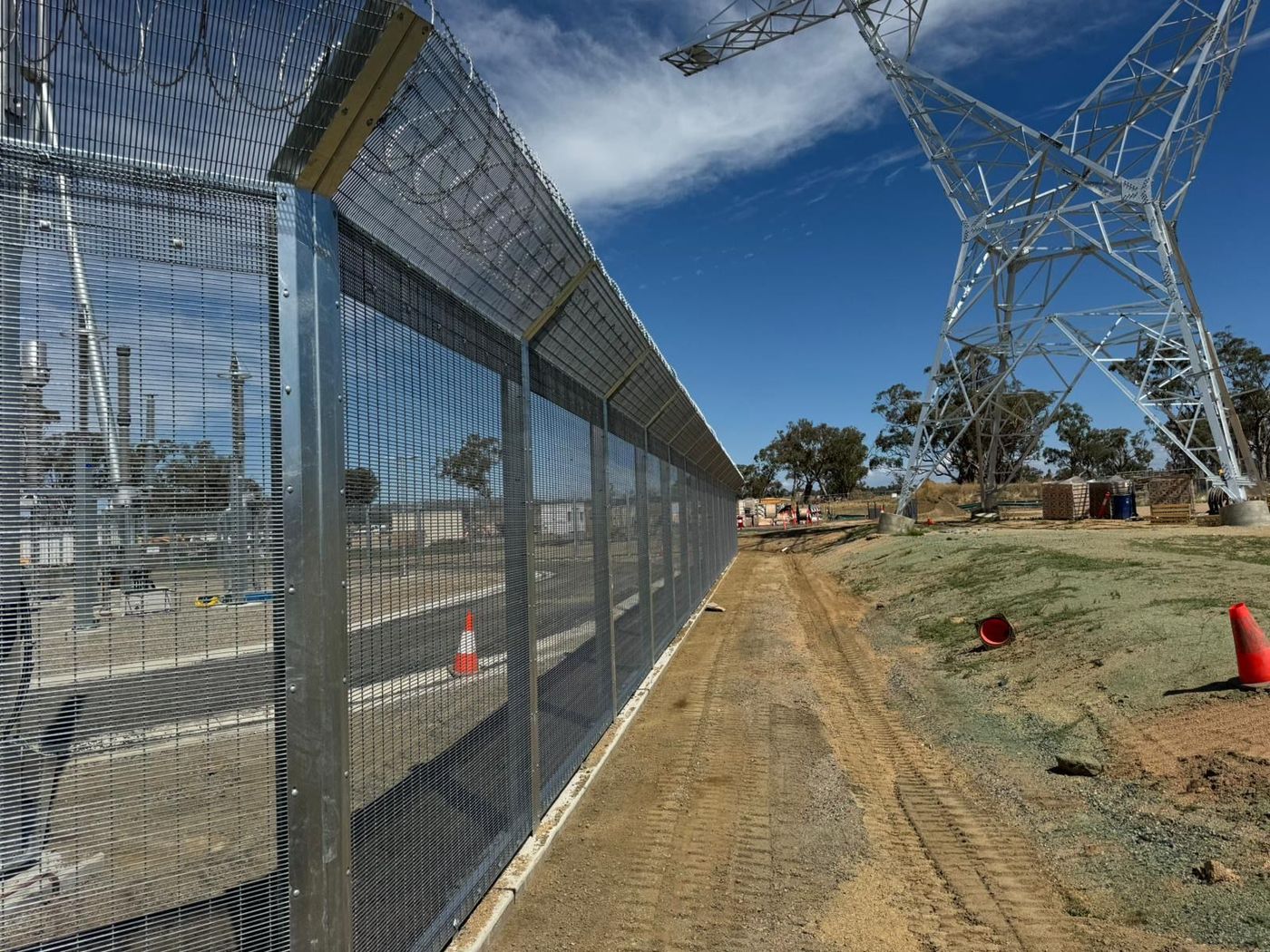
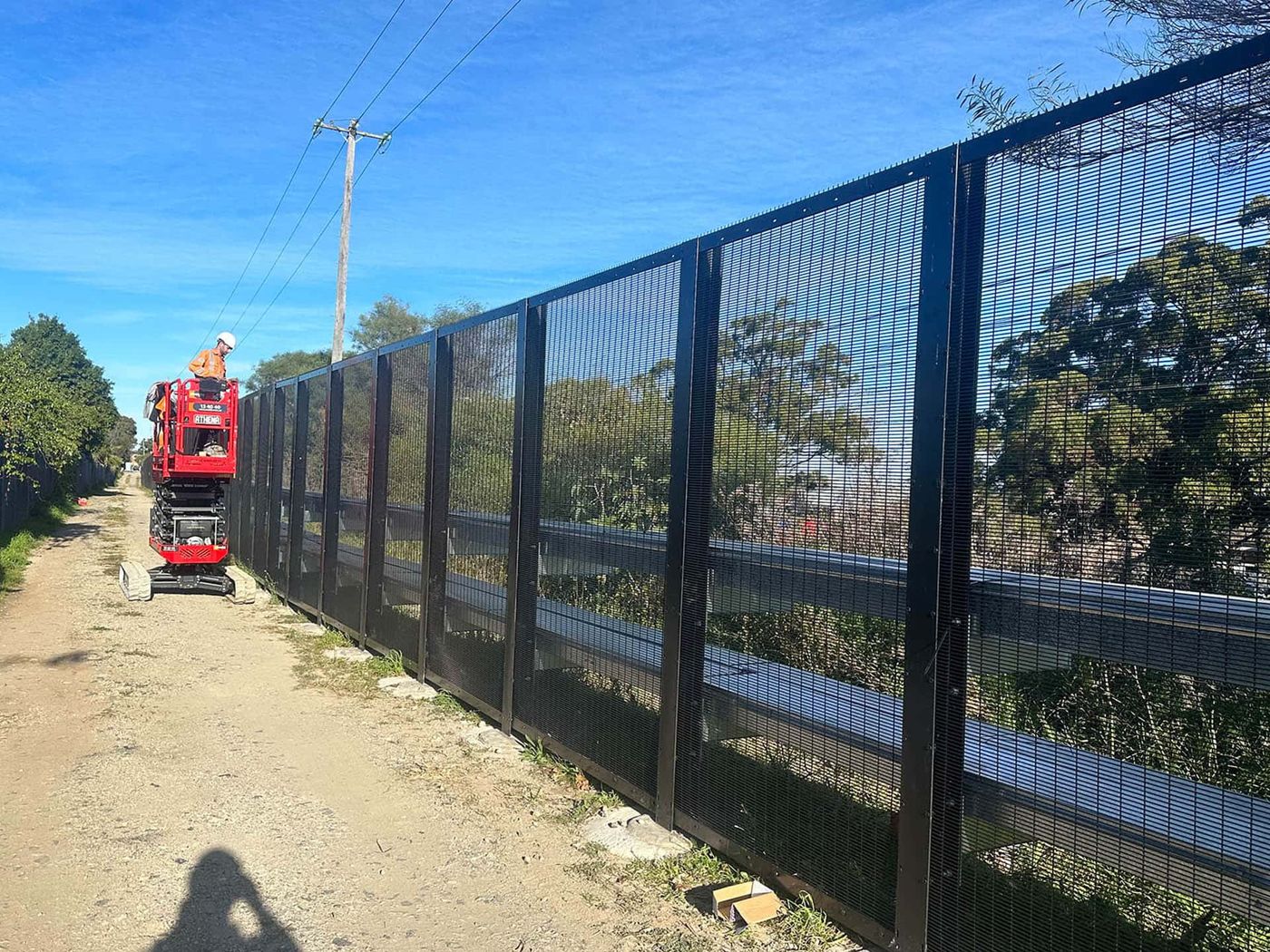
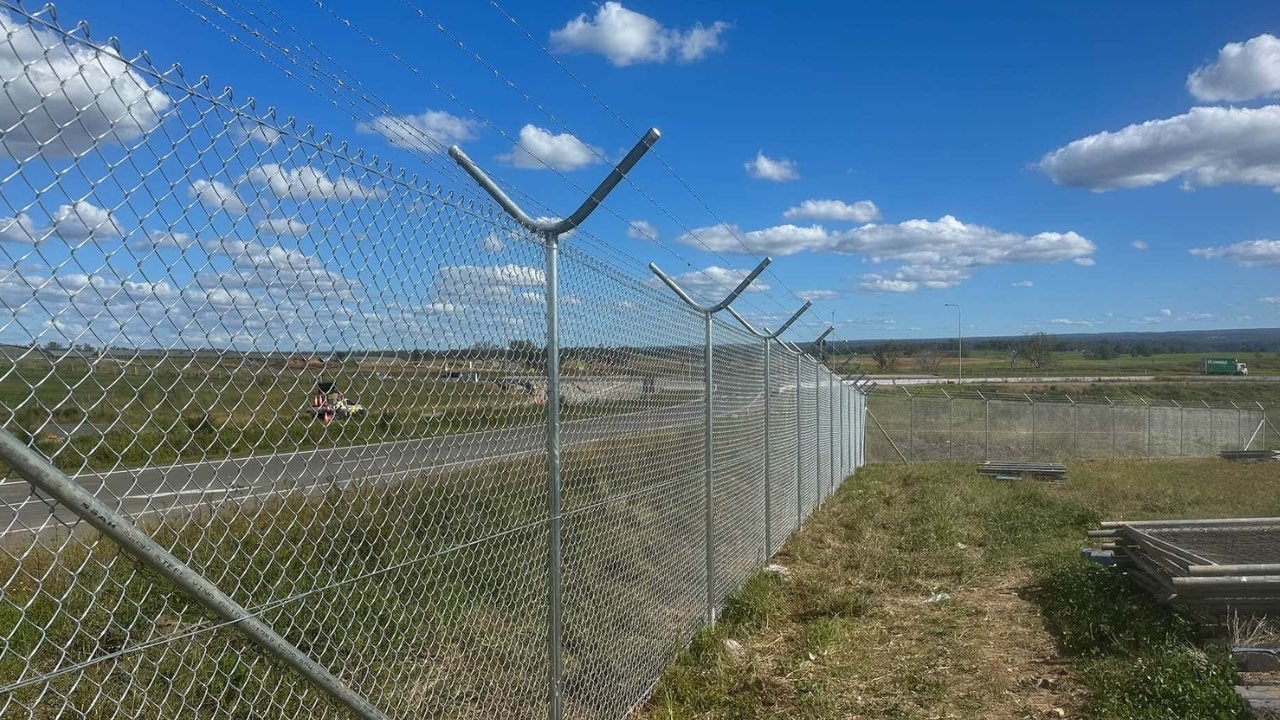
A gate is the moving section of a continuous security boundary, and it should be engineered to the same standard as the fence around it. If the fence line is a high-security commercial security fencing system but the gate is a lighter, lower-specified element, the gate becomes the obvious weak point. Height, infill, anti-climb features and structural strength should carry through the opening, so an intruder gains nothing by targeting the gate over the fence.
The same logic applies to the control system. A gate whose automation and access control are integrated with the site’s CCTV, alarms and monitoring gives a unified picture of the perimeter. A gate bolted on as a separate product creates blind spots and extra systems to manage. Treating fence, gate, automation and access control as one designed system is what separates a secure site from a collection of parts.
Frequently Asked Questions
How do you determine the right gate type for a commercial site?
The decision starts with the physical site - available space, driveway gradient, opening width and the position of buildings and roadways - then layers in traffic volume, duty cycle and the required security level. A site assessment establishes these variables so the gate type, drive specification and access method are matched to how the entry will actually be used rather than chosen in isolation.
Can a new automated gate integrate with our existing access control and CCTV?
In most cases, yes. Automated gates can be specified to work with existing card systems, intercoms, monitoring platforms and camera networks so the new entry feeds into the security infrastructure already in place. The integration approach is confirmed during design, based on the systems and protocols the site already runs.
What safety requirements apply to automated gates on a commercial site?
Automated gates in workplaces are subject to work health and safety obligations and are expected to be designed and installed to control hazards such as crushing, shearing and impact. In practice this means safety edges, photocells, force limitation, manual release and clear pedestrian separation, supported by ongoing maintenance so the safety devices remain effective over the life of the gate.
How do you handle different access needs for staff, contractors and visitors?
Different user groups are managed through a mix of credential types and access flows. Staff and fleet vehicles may use cards, fobs or number plate recognition for fast repeat access, while visitors and contractors are handled through intercom verification or temporary credentials that can be issued and revoked. Pedestrian gates separate foot traffic from vehicles, and scheduled access changes how the gate behaves across work hours and after hours.
Do you supply and install both the gate and the fencing around it?
Yes. LS Fencing supplies and installs the fence line, the gate and the automation and access control as one designed system, which is the most reliable way to ensure the gate matches the security level of the surrounding fence and integrates cleanly with the wider site security. This single point of responsibility avoids the weak points that arise when gate, fence and controls are sourced and fitted separately.
Speak to LS Fencing about your project
Access-controlled gates and automation are most effective when they are designed into the perimeter from the start, matched to the site, and integrated with the fence line and the wider security system. LS Fencing Services brings commercial and high-security fencing experience, including tier 1 and government projects, to the specification and installation of automated and access-controlled gates across Sydney and greater NSW. To discuss the requirements of a commercial or infrastructure project, contact LS Fencing Services to arrange a site assessment and specification.
Specifying or pricing a perimeter?
Send the drawings or a brief and LS Fencing Services will come back with a detailed proposal.