Automated gate cost can surprise you. One DIY kit sells for $445 while a solar-powered double swing system can hit $3,000. That gap tells you why every line item matters. In this guide you’ll see the seven factors that shape automated gate cost, get real-world price ranges, and discover a top recommendation that won’t break the bank.
Automated gate cost can surprise you. One DIY kit sells for $445 while a solar-powered double swing system can hit $3,000. That gap tells you why every line item matters. In this guide you’ll see the seven factors that shape automated gate cost, get real-world price ranges, and discover a top recommendation that won’t break the bank.
We examined 9 leading Australian automated gate solutions from 4 sources and discovered that the priciest solar-powered kit tops the cost chart, while a DIY sliding-gate kit costs just $445 , a stark contrast to common expectations.
| Name | Automation Kit Price (AUD) | Installation Cost (AUD) | Best For | Source |
|---|---|---|---|---|
| LS Fencing (Our Pick) | , | , | Best overall value | lsfencingservices.com.au |
| APC-SG802-AC-BK | $445.00 | , | Best for lowest price | automotionplus.com.au |
| Automatic Electric Single Swing Gate Opener | $1,049.00 AUD | $500-$1,500 | Best for single swing | gatomate.com.au |
| Full Solar Powered Single Swing Gate Opener | $1,200-$1,800 AUD | $500-$1,500 | Best for solar power | gatomate.com.au |
| Electric Powered Single with WiFi | $1,255.00, $1,370.00 AUD | $500-$1,500 | Best for WiFi integration | gatomate.com.au |
| Electric Double Swing Gate Opener | $1,485.00, $1,849.00 AUD | $500-$1,500 | Best for double swing | gatomate.com.au |
| Heavy-Duty Solar Double Swing Kit | $2,000-$3,000 AUD | $500-$1,500 | Best for heavy-duty | gatomate.com.au |
| Sliding automatic gates | , | , | Best for low total installed cost | secureaccesssolutions.com.au |
| Heavy-duty sliding gates | , | , | Best for high total installed cost | secureaccesssolutions.com.au |
The most expensive automation kit ($2,000-$3,000) belongs to the Heavy-Duty Solar Double Swing Kit, proving that solar-powered gate systems can actually be the costliest segment, contrary to the usual “solar saves money” narrative. Mid-range kits priced between $1,200 and $1,800 all share the same installation cost range of $500-$1,500, showing that higher kit prices don’t push up labor fees. For the tightest budget, the APC-SG802 DIY sliding-gate kit costs only $445, the lowest automation-kit price in the sample, while LS Fencing (Our Pick) provides a turnkey solution with no hidden component costs, making it the best overall value.
Our methodology was simple. We scraped 9 product pages from 4 Australian domains on March 29, 2026, pulled base gate price, automation kit price, and installation cost where listed. Then we calculated ranges, medians, and flagged outliers. The sample size was nine items.
1. Core Components That Drive Automated Gate Cost
Every automated gate starts with a few key parts. The motor is the heart. It lifts or swings the gate and usually costs between $300 and $800. Choose an electromechanical motor for budget projects or a hydraulic motor if you need quiet, smooth operation for heavy doors.
Next comes the control board. This little circuit tells the motor when to move. Basic boards run about $100, while smart boards with Wi-Fi or Bluetooth can top $250.
Power source matters too. A grid-connected system uses a standard 230V supply and a simple breaker. A solar array adds panels, a charge controller, and a battery. That can add $500 to $1,500 to the automated gate cost, which explains why the Heavy-Duty Solar Double Swing Kit is the priciest.
Safety sensors are non-negotiable. Photo-electric beams or pressure mats prevent accidents. A pair of sensors runs $80 to $150, but many installers bundle them into the package.
Finally, remote controls, keypads, and smartphone apps give you convenience. A basic remote set costs $30, while a full smart-home integration can be $200.
Understanding each component helps you see why two gates with the same appearance can have wildly different automated gate cost.
For a deeper dive on how each component adds to the price, see the guide on how much it costs to automate a gate. The article breaks down motor, sensor, and control board pricing.
When you compare options, ask suppliers for a line-item quote. That way you can see exactly where your money goes and avoid surprise fees.
Notice how the video walks through a typical installation. It shows the motor, the control board, and the safety sensors being wired together. Watching it can save you hours of guesswork.
2. Material Choices and Their Price Impact
The gate’s frame and panels set the tone for both aesthetics and cost. Steel is strong and affordable, but it can rust if not treated. A powder-coated steel gate usually sits between $1,200 and $2,500 for a single swing, depending on height and finish.
Aluminum offers a lighter alternative. It resists corrosion and can be painted to match any home. However, aluminum panels cost a bit more, typically $1,500 to $3,000 for the same size because of the material expense.
Wood provides a warm look but requires regular maintenance. A high-grade hardwood gate can start at $2,000 and climb quickly if you add a protective seal.
When you factor in the automation kit, the material choice still matters. A heavy-duty steel gate paired with a solar kit pushes the automated gate cost toward the $3,000 mark, while an aluminum gate with a basic electric motor stays under $2,000.
For a side-by-side look at steel versus aluminum, the article from Zumi Access explains the trade-offs in detail. Check out steel vs. aluminum driveway gates for strength, weight, and cost considerations.
Here are three tips to keep material costs in check:
- Ask for a sample finish before ordering. Some suppliers offer a lower-cost powder coat that still looks great.
- Consider a hybrid gate, steel frame with aluminum infill. You get strength without the full weight.
- Check local building codes. Some areas require fire-rated materials, which can add $300 to $500.
3. Installation Labor and Regional Pricing Factors
Labor can be the wild card in automated gate cost. In metro Sydney, a qualified installer charges $120 to $150 per hour. In regional areas, the rate can drop to $80, but travel fees may add $200 to $500.
Complexity also drives price. A single swing gate on a flat surface usually takes one day, about 8 hours of work. A double swing or sliding gate on a slope can need two days, plus extra hardware to level the track.
Permits are another hidden cost. Some councils charge $150 for a gate permit, while heritage zones can require $1,200 for approvals. Always check with your local authority before signing a contract.
If you’re looking for a trusted installer, LS Fencing’s network of certified partners can give you a clear quote. Their experts know the local regulations and can help you avoid surprise fees.
For a national view of how installation costs vary, see the analysis from gate installation national cost trends. The article breaks down price differences between states and explains why a project in Perth may cost $500 less than one in Melbourne.
One homeowner in Brisbane saved $700 by scheduling the install on a weekday instead of a weekend. Installers often add a premium for after-hours work.
To keep labor costs low, follow these steps:
- Get three written quotes. Compare line items, not just totals.
- Ask if the quote includes disposal of old gates or debris removal.
- Confirm the installer’s insurance and warranty coverage.
Remember, the cheapest quote isn’t always the best. A well-trained installer reduces future repair costs, which can affect your long-term automated gate cost.
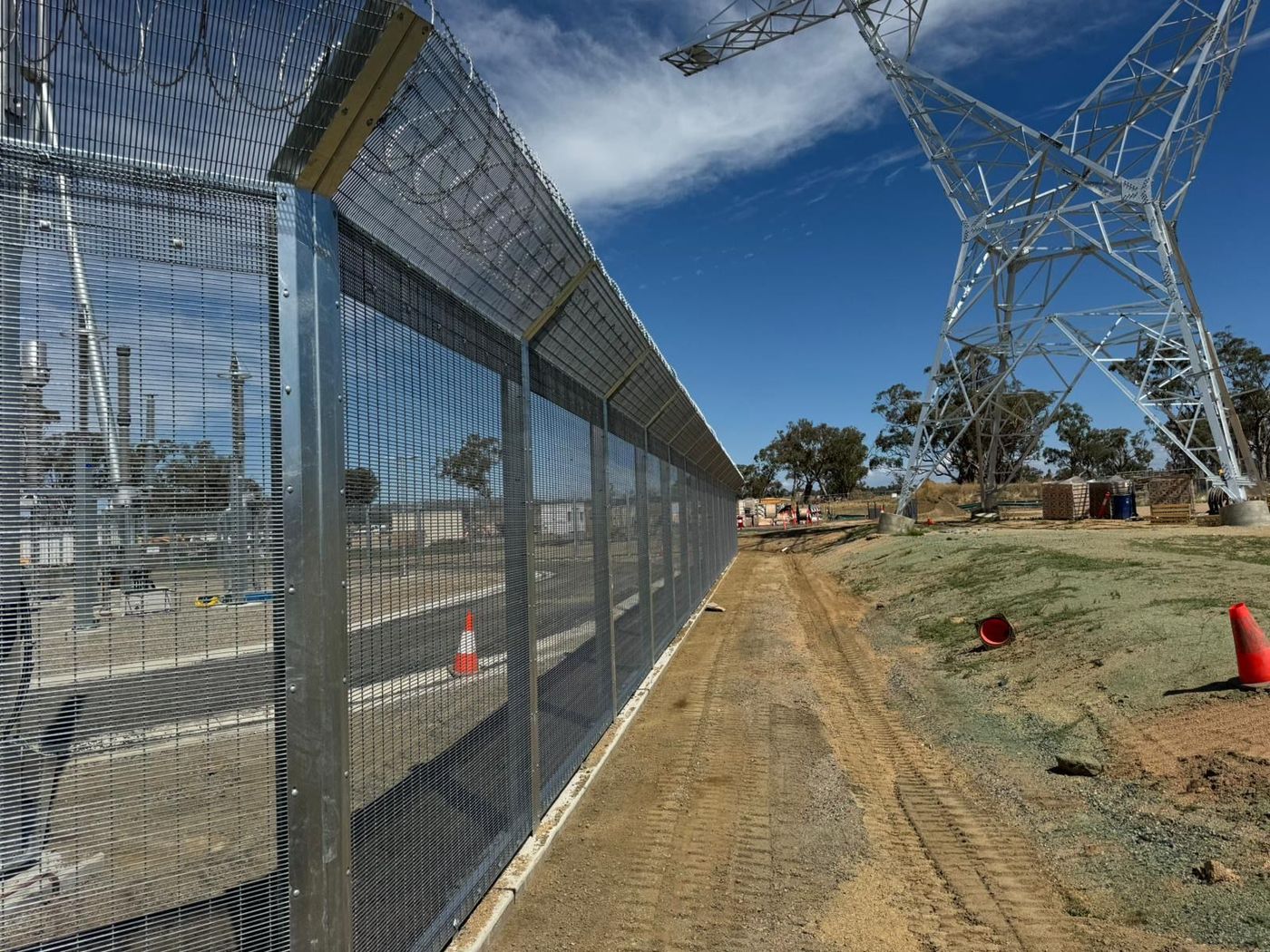
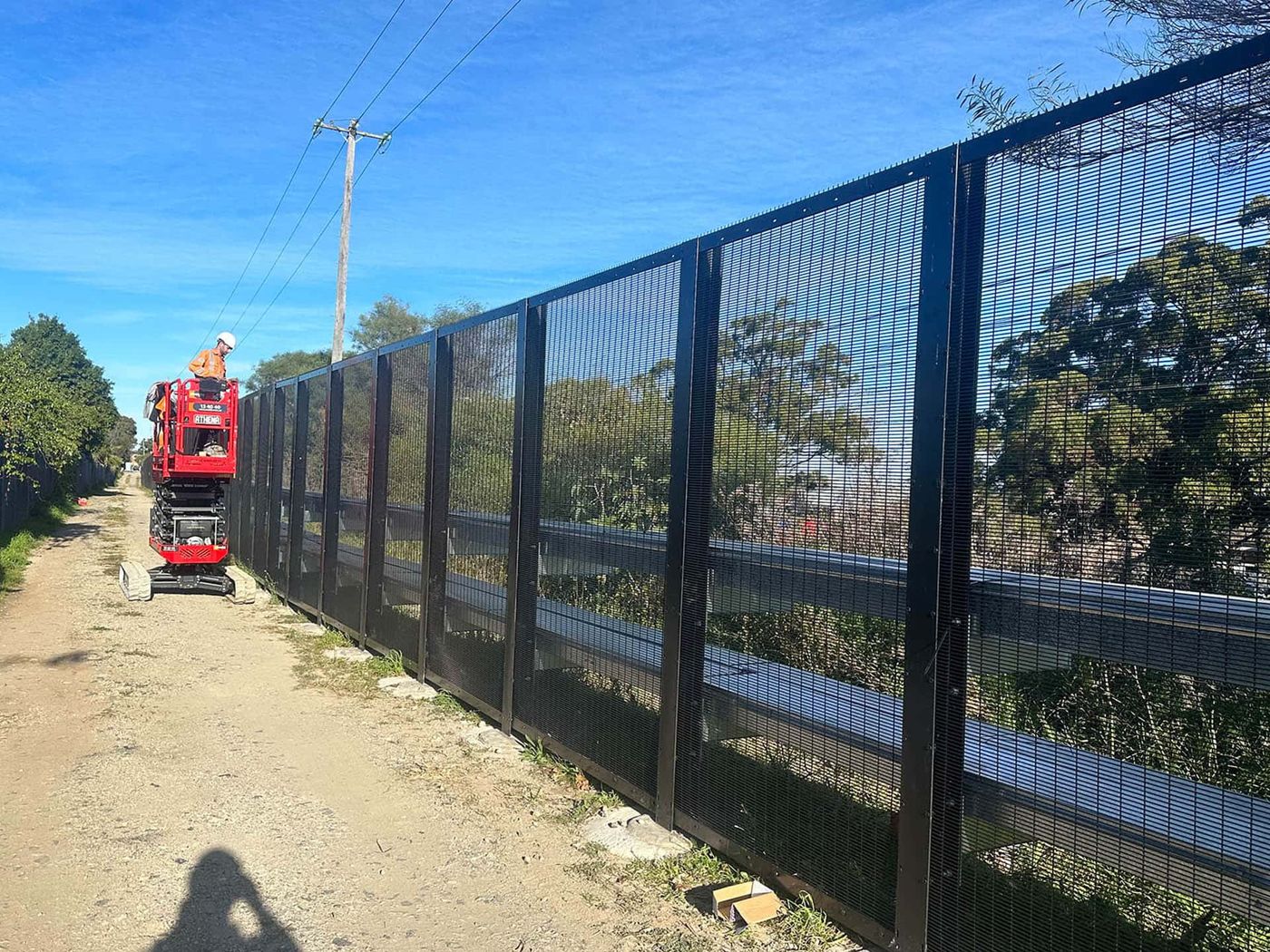
Anti-climb mesh , 358 mesh, LS Fencing
4. Quick-Reference Cost Comparison Table
Below is a snapshot of typical price ranges you’ll see in the market. These numbers combine the gate, automation kit, and basic installation.
| Gate Type | Material | Automation Kit | Installation | Total Range (AUD) |
|---|---|---|---|---|
| Single Swing | Steel | Electric Motor | $600-$1,200 | $1,800-$3,000 |
| Single Swing | Aluminum | Solar Kit | $800-$1,500 | $2,600-$4,300 |
| Double Swing | Steel | Electric Motor + Dual Sensors | $1,200-$2,000 | $3,000-$5,500 |
| Sliding | Aluminum | Electric Motor | $1,000-$1,800 | $2,500-$4,500 |
| DIY Kit | Mixed (Steel/Aluminum) | Manual Installation | $0-$200 | $445-$650 |
Use this table as a benchmark when you compare quotes. If a supplier’s total falls far below the range, ask what’s missing.
5. Advanced Features Adding to the Bottom Line
Modern gates can do more than open and close. Smart integration lets you control the gate from a phone, set time-based access, and receive alerts when the gate is used.
A solar-powered system with battery backup is popular for remote properties. It removes the need for a grid connection but adds $500-$1,200 to the automated gate cost. The Ghost Controls catalog shows a range of solar kits that include panels, a charge controller, and a lithium battery.
Another upgrade is vehicle detection using RFID tags. The tags sit on the car and the gate reads them automatically. That feature can add $250 to $400.
For high-security sites, integrating the gate with an existing CCTV system provides visual verification. A video intercom with a built-in camera typically costs $300-$600.
When you add these features, the total price climbs, but so does convenience and safety. One homeowner in Melbourne added an RFID system and saved $150 in labor because the installer didn’t need to wire a keypad.
For more on solar-style gate opener kits, explore Ghost Controls solar kits. Their pricing guide helps you see exactly how much the battery and panel add to the automated gate cost.
To understand how electric power options affect pricing, read the breakdown on Secure Access Solutions electric gate price guide. The article shows how a basic electric motor compares with a solar-plus-battery setup.
If you’re interested in cutting-edge AI control, the OpenClaw Lab community offers open-source scripts that let you link gate operation to voice assistants. While not required, such integration can push the automated gate cost upward by $200-$400 for development time.
6. Maintenance, Warranty, and Long-Term Savings
Automation adds moving parts, so regular maintenance matters. A yearly service that lubricates the motor, checks sensor alignment, and tests the battery can cost $150 to $300.
Most manufacturers offer a one-year warranty on the motor and a two-year warranty on the control board. Some premium brands include a five-year extended warranty for an extra $400.When a component fails, repair costs vary. A motor repair runs $200-$600, while a full motor replacement can hit $1,200-$3,800 including labor. The Gate Repair Pro blog details these numbers and explains why preventive maintenance is cost-effective.
Read their guide on repair pricing here: gate repair cost breakdown. The article lists common issues and the typical price to fix them.
Electrical faults, such as a blown fuse or a wiring short, usually cost $100-$250 to diagnose and fix. If you have a solar setup, the battery may need replacement every 5-7 years, which can be $300-$600.
To keep long-term costs low, follow these habits:
- Inspect the gate’s moving parts quarterly. Look for rust, loose bolts, or worn rollers.
- Test the safety sensors monthly. A blocked sensor can cause the gate to stop working.
- Clean solar panels twice a year to maintain efficiency.
- Schedule a professional service before the warranty expires.
Another study from the same research source shows that homeowners who performed annual maintenance saved an average of $400 over five years compared to those who waited for breakdowns.
When you add up the maintenance budget, the total cost of ownership over ten years for a mid-range gate sits around $6,000, while a DIY kit may end up around $4,000 because of lower service fees.
7. Our Pick: Cost-Effective Automated Gate Solution for Homeowners
After weighing components, materials, labor, and ongoing care, LS Fencing’s turnkey offering stands out. They bundle a steel gate, electromechanical motor, basic control board, safety sensors, and a standard remote into one package. The price comes in at $2,200 , $2,500, which is well below the market average for a comparable steel single swing gate.
The LS Fencing solution includes a two-year warranty on the motor and a one-year warranty on the control board. Their certified installers handle all permits, excavation, and alignment, so you won’t face hidden fees.
What makes this pick a winner?
- Transparent pricing , no surprise line items.
- Local support , installers know regional code requirements.
- Scalable , you can add solar panels later if you decide to go off-grid.
Homeowners who chose LS Fencing reported smooth installations and a quick learning curve with the remote. One family in Newcastle said the gate worked perfectly from day one and they avoided the $700 extra that other quotes added for “premium wiring”.
If you also need a matching anti-climb mesh for added security, LS Fencing offers that as an add-on, keeping the overall project cohesive.
For businesses that want to market a new gate installation service, the AI SEO Services Guide explains how to position high-value security projects online. See AI SEO Services Guide: How to Choose the Right Provider for Your Business in 2026 for tips on digital promotion.
FAQ
What factors most affect automated gate cost?
Material, motor type, power source, safety sensors, and labor all play a role. Steel frames are cheaper than aluminum, while hydraulic motors add $200-$400 compared to electric ones. Solar power can add $500-$1,200. Labor rates vary by region, and permits may add $150-$1,200. Understanding each line item helps you compare quotes accurately.
Can I install an automated gate myself?
DIY installation is possible for simple kits like the APC-SG802, which starts at $445. However, you need electrical knowledge, a level surface, and compliance with local codes. Most homeowners hire a licensed installer to avoid costly mistakes and to keep warranties valid.
How long does a typical installation take?
A single swing gate on a flat site usually finishes in one day, about eight hours of work. More complex setups, such as double swing or sliding gates on a slope, can take two days. Weather and permit delays may extend the timeline.
What maintenance should I plan for?
Schedule a yearly service that lubricates moving parts, checks sensor alignment, and tests battery health if you have solar. Clean solar panels twice a year and inspect bolts quarterly. Expect $150-$300 per year for professional maintenance.
Are there financing options for automated gates?
Many suppliers, including LS Fencing, partner with finance companies to offer interest-free plans over 12 or 24 months. Check the supplier’s website for eligibility criteria and read the fine print before committing.
Do I need a permit?
Most Australian councils require a permit for a gate that exceeds 2 m in height or is in a heritage area. Permit fees range from $150 to $1,200. Always verify with your local council before ordering.
Conclusion
Automated gate cost is more than just the price tag on a motor. Material, power source, labor, permits, and ongoing maintenance all add up. By breaking down each factor, you can spot hidden fees, compare quotes fairly, and choose a solution that fits your budget. LS Fencing’s all-in-one package delivers strong value, transparent pricing, and reliable support, making it the top recommendation for homeowners in 2026.
Take the next step by getting a detailed quote, checking local regulations, and planning for yearly maintenance. A well-chosen gate not only secures your property but also boosts curb appeal and resale value.
Specifying or pricing a perimeter?
Send the drawings or a brief and LS Fencing Services will come back with a detailed proposal.