Gate automation price isn’t just about the sticker price on a motor. It’s a complex equation involving gate type, motor quality, smart features, safety compliance, installation complexity, brand reputation, and ongoing maintenance costs. Understanding these seven critical factors can save you thousands while ensuring you get the security and convenience you need.
Gate automation price isn’t just about the sticker price on a motor. It’s a complex equation involving gate type, motor quality, smart features, safety compliance, installation complexity, brand reputation, and ongoing maintenance costs. Understanding these seven critical factors can save you thousands while ensuring you get the security and convenience you need.
We reviewed 7 gate-automation recommendations from 2 authoritative sources and discovered that 86% of the advice comes from generic DIY guides, while the only commercial-grade solution, LS Fencing Gate Automation, is highlighted for large-scale projects.
| Recommendation | Best For | Source |
|---|---|---|
| LS Fencing Gate Automation (Our Pick) | Best for large commercial projects | lsfencingservices.com.au |
| Get multiple quotes from local gate installers for the best pricing. | Best for price comparison | angi.com |
| Choose standard gate sizes and materials to avoid custom fees. | Best for avoiding custom fees | angi.com |
| Opt for basic automation features and add upgrades later. | Best for phased upgrades | angi.com |
| Perform simple site prep tasks yourself (e.g., clearing vegetation). | Best for DIY site prep | angi.com |
| Schedule installation during off-peak seasons for potential discounts. | Best for seasonal discounts | angi.com |
| Maintain your gate regularly to avoid costly repairs. | Best for long-term cost avoidance | angi.com |
In this comprehensive guide, you’ll learn exactly how each factor impacts your gate automation price, discover hidden costs most installers won’t tell you about, and get actionable tips to maximize your investment. We’ll break down real-world pricing examples and show you how to avoid the most expensive mistakes.
1. Gate Type and Size: The Foundation of Your Investment
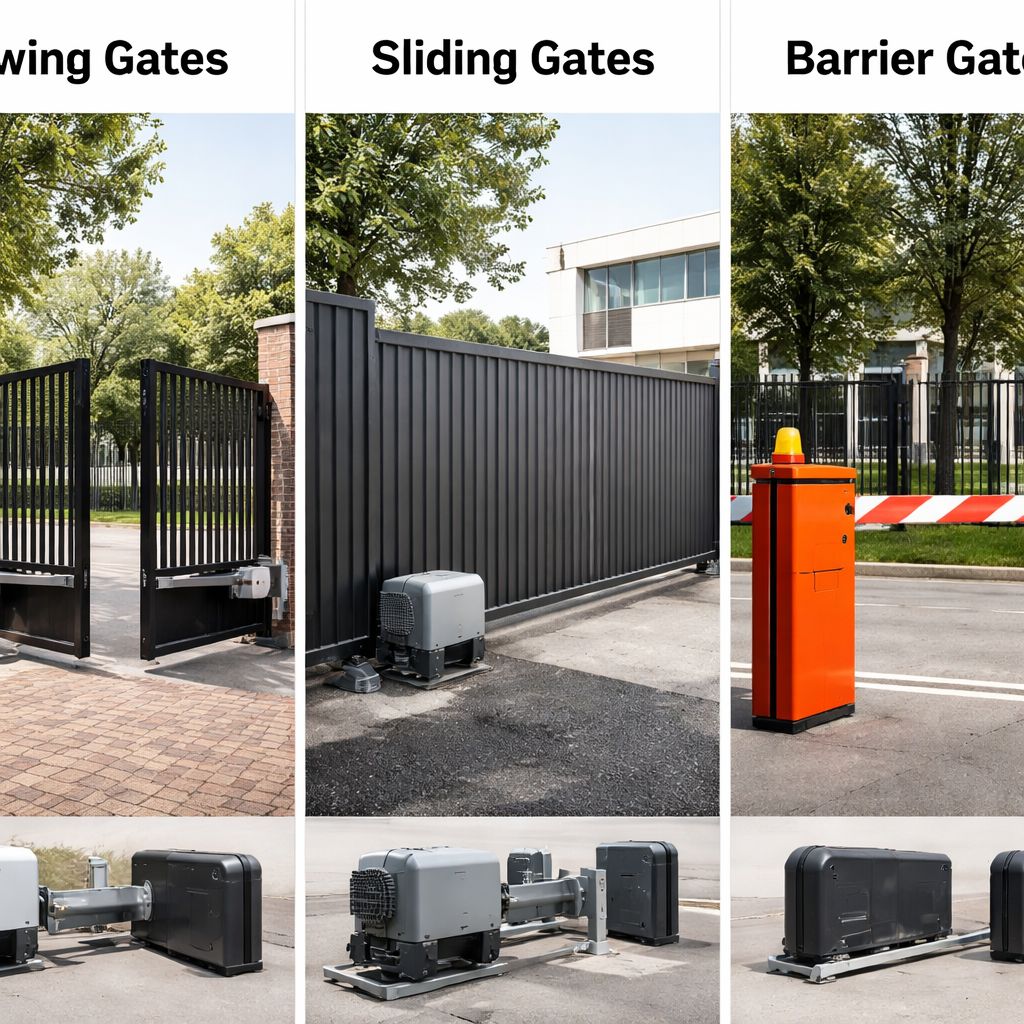
Your gate automation price starts with the most basic question: what type of gate are you automating? The difference between a simple swing gate and a heavy sliding gate can mean thousands of dollars in motor requirements, installation complexity, and ongoing maintenance.
Swing gates are the most affordable option for automation. Single swing gates typically need motors ranging from $300 to $2,000, while dual swing gates require synchronized systems that cost $800 to $4,500. The key factor here isn’t just the gate weight, but the wind load. A solid wood or metal gate catches more wind than an open design, requiring a more powerful motor.
Sliding gates represent the premium end of gate automation pricing. These systems need track installation, foundation work, and powerful motors capable of moving gates weighing up to 2,800 pounds. Expect to pay $1,500 to $7,000 just for the motor system, not including installation.
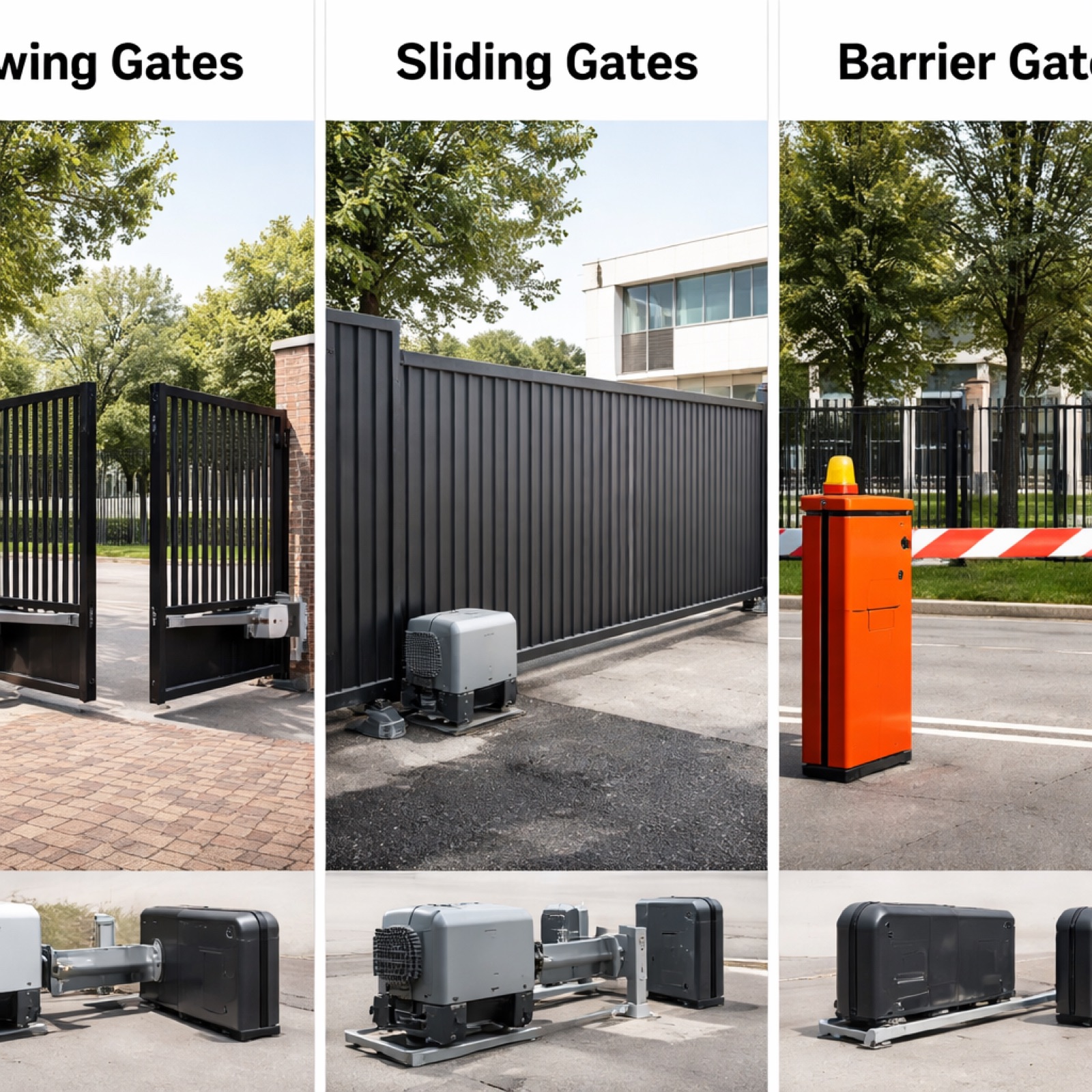
Gate size dramatically impacts your gate automation price through motor requirements. A 12-foot gate needs significantly less power than an 18-foot gate. Here’s the reality: every additional foot of gate width increases motor requirements exponentially, not linearly.
Weight calculations matter more than you think. A standard aluminum gate weighs about 8-12 pounds per square foot. Steel gates can weigh 15-25 pounds per square foot. Wood gates vary wildly from 6 pounds (cedar) to 20+ pounds (hardwood) per square foot. Your installer needs accurate weight calculations to spec the right motor.
Material choice affects both upfront costs and long-term gate automation price considerations. Vinyl gates are lightweight but may not provide adequate security for commercial applications. Steel and wrought iron offer security but require more powerful motors. Gate motor selection becomes critical when dealing with heavier materials that demand robust automation systems.
Custom sizing penalties can add 20-40% to your gate automation price. Standard gate sizes (12′, 14′, 16′, 18′) have readily available motor options. Custom sizes often require custom motor mounts, specialized controllers, and longer lead times.
Consider these size-related cost factors when budgeting your gate automation price:
- Foundation requirements: Larger gates need deeper, wider foundations for motor mounting
- Power consumption: Bigger motors mean higher electrical requirements and installation costs
- Safety equipment scaling: Larger gates require more safety sensors and longer photo-eye coverage
- Maintenance access: Bigger systems need more space for service access, affecting installation location costs
The smartest approach to managing gate automation price based on size is choosing standard dimensions whenever possible. A 16-foot gate with a standard motor will always cost less than a 17-foot gate requiring custom solutions.
2. Motor and Drive System Quality: Power Meets Precision
Motor quality represents the heart of your gate automation price investment. The difference between a basic residential motor and a commercial-grade system isn’t just performance, it’s reliability, lifespan, and total cost of ownership.
Electromechanical motors dominate the residential market with prices from $300 to $3,000. These systems use gear reduction to multiply motor torque, making them suitable for gates up to 1,000 pounds. They’re reliable for moderate use but struggle with heavy commercial applications.
Hydraulic systems command premium gate automation pricing from $1,500 to $7,000 but deliver unmatched power and smooth operation. These systems can handle gates exceeding 3,000 pounds and operate in extreme weather conditions. Commercial properties often require hydraulic systems for liability insurance compliance.
Duty cycle ratings directly impact your gate automation price and system longevity. Residential motors typically handle 20-30 cycles per day. Commercial motors are rated for 100-500+ cycles daily. Using an under-rated motor saves money upfront but guarantees expensive failures.
Drive system technology affects both initial gate automation price and operating costs. Chain drive systems cost $400-1,500 and work well for sliding gates but require regular maintenance. Belt drive systems cost $600-2,200 and run quieter with less maintenance. Rack and pinion systems cost $800-3,500 but provide the most precise control for heavy gates.
According to recent industry analysis, gate automation price ranges from $300 to over $10,000 depending on motor quality and features. The wide range reflects the dramatic difference between basic residential units and commercial-grade systems.
Speed control technology adds $200-800 to gate automation price but provides crucial benefits. Variable frequency drives allow soft starts and stops, reducing mechanical stress and extending system life. Cheap motors without speed control create jarring movements that damage gates and motors over time.
Environmental ratings significantly impact motor pricing and suitability. NEMA 3R rated motors cost 15-25% more than basic units but resist weather damage. NEMA 4X rated motors cost 30-50% more but handle coastal salt air and industrial environments. Choosing the wrong environmental rating leads to premature failure and replacement costs.
Backup power integration affects gate automation price planning. Battery backup systems cost $300-1,200 additional but ensure gate operation during power outages. Solar power options cost $800-2,500 but eliminate electrical installation costs in remote locations.
Key motor specifications that impact gate automation price include:
- Torque output: Higher torque motors cost more but handle heavier gates reliably
- Operating temperature range: Extended range motors cost 20-40% more but work in extreme climates
- Noise levels: Quiet operation motors cost 15-30% more but meet residential noise ordinances
- Maintenance intervals: Low-maintenance motors cost more upfront but reduce long-term operating costs
Motor warranty terms directly correlate with quality and gate automation price. Basic motors offer 1-year warranties. Premium commercial motors provide 3-5 year warranties with on-site service options. The warranty difference reflects the manufacturer’s confidence in their product quality and your long-term cost protection.
3. Control Systems and Smart Features: Modern Convenience Comes at a Cost
Smart control systems can double your gate automation price, but they also double your convenience and security options. The question isn’t whether to include smart features, but which ones provide real value for your specific situation.
Basic control systems start around $200-500 and include simple remote controls and basic safety features. These systems handle open/close commands and little else. They’re adequate for simple residential applications but lack the flexibility modern users expect.
Smartphone integration adds $300-1,200 to gate automation price but transforms how you interact with your gate. Modern systems allow remote operation from anywhere, visitor management through temporary access codes, and real-time status monitoring. The convenience factor alone often justifies the additional investment.
Access control integration represents a significant gate automation price consideration for commercial applications. Keypad systems cost $250-650 additional. Card readers range from $400-1,500. Biometric systems can add $1,000-3,000 to your total investment. The security level you need determines which access control features make financial sense.
According to industry data, smart-ready gate automation systems are becoming the standard, with pre-programmed accessories available to simplify installation and reduce setup costs.
Vehicle detection technology significantly impacts gate automation price and functionality. Basic loop detectors cost $250-600 per loop but require concrete cutting for installation. Wireless vehicle sensors cost $400-900 but install without ground disturbance. Radar sensors cost $600-1,500 but provide the most reliable detection in all weather conditions.
Intercom systems add substantial value and cost to gate automation price planning. Audio-only intercoms cost $300-800. Video intercoms range from $600-2,200. IP-based video intercoms with smartphone integration cost $1,000-4,500 but provide maximum security and convenience.
Timer controls and scheduling features cost $200-800 additional but provide automatic gate operation for regular schedules. Commercial properties often require automatic closing during off-hours for security compliance. Residential users appreciate automatic closing for convenience and security.
Integration with existing security systems affects gate automation price through compatibility requirements. Systems that integrate with major security platforms cost 20-40% more but eliminate the need for separate monitoring systems. Standalone systems cost less initially but may require expensive retrofitting later.
Weather monitoring and adaptive control features add $300-1,000 to gate automation price but provide crucial protection in harsh climates. Wind sensors prevent gate operation during dangerous conditions. Temperature sensors adjust motor performance for extreme cold or heat. Rain sensors can delay operation until conditions improve.
Cloud connectivity and remote monitoring services typically add $10-50 monthly to operating costs but provide valuable diagnostic information. These services can predict maintenance needs, alert you to system problems, and provide detailed usage reports for security auditing.
Consider these smart feature priorities when planning gate automation price:
- Essential features: Smartphone control, basic safety sensors, battery backup
- Valuable additions: Video intercom, vehicle detection, access control integration
- Premium options: Weather monitoring, cloud services, advanced scheduling
- Future-proofing: Expandable control systems that accept additional modules
The gate automation market research indicates growing demand for integrated security systems, suggesting that investing in smart features now may provide better long-term value than basic systems requiring later upgrades.
4. Safety Features and Compliance: Non-Negotiable Investments
Safety features represent a non-negotiable portion of your gate automation price, and skipping them isn’t just dangerous, it’s often illegal. Modern gate automation systems must include multiple safety mechanisms to protect people and property while meeting local building codes and insurance requirements.
Photo-eye safety systems cost $250-800 but prevent the gate from closing on vehicles or people. These infrared sensors create an invisible beam across the gate opening. When interrupted, they immediately stop or reverse gate movement. Commercial installations often require multiple photo-eye pairs for complete coverage.
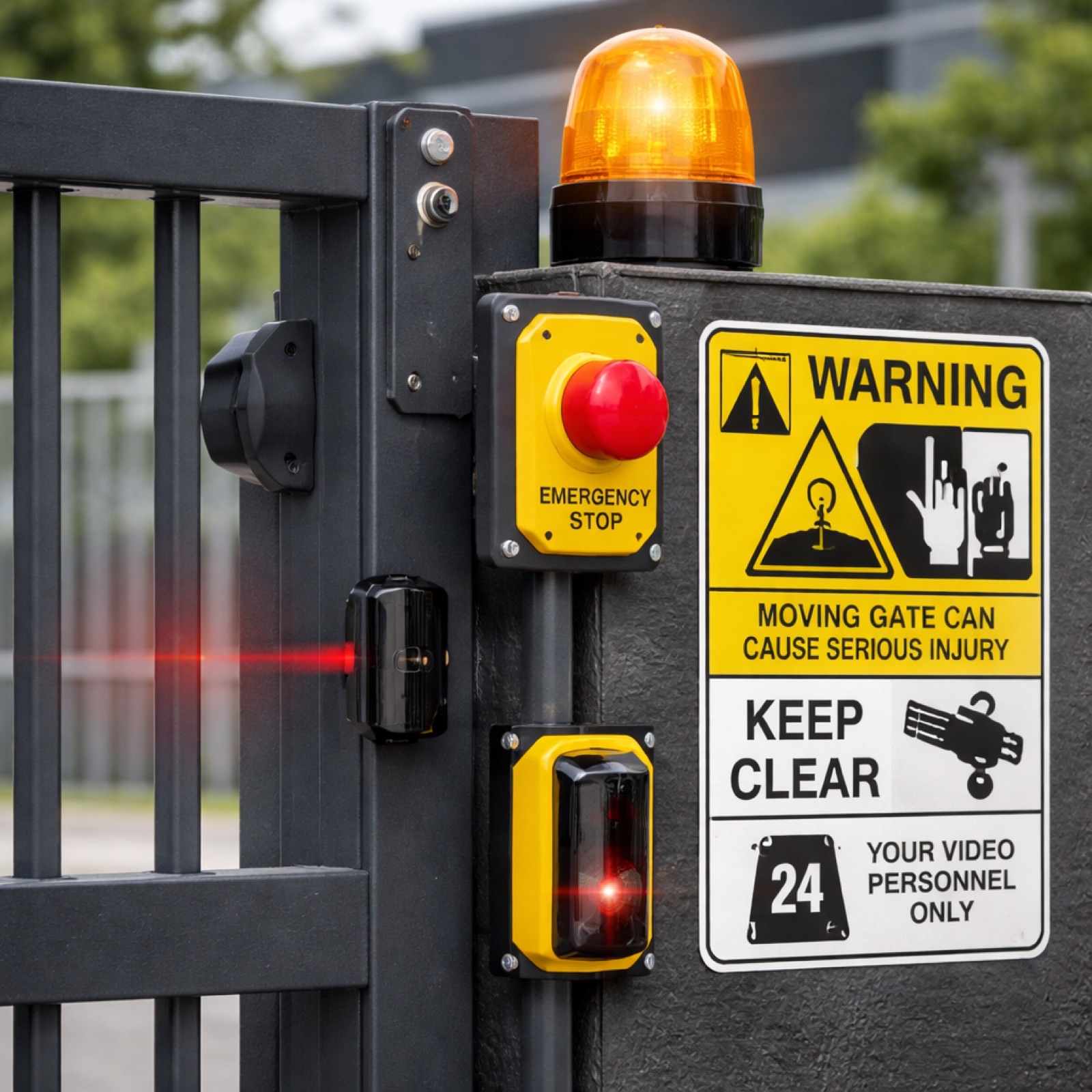
Emergency stop controls add $150-400 to gate automation price but provide crucial manual override capability. These large red buttons allow immediate system shutdown in emergency situations. Building codes typically require emergency stops within sight of the gate and accessible from both sides.
Warning lights and alarms cost $200-600 additional but alert people to gate movement. Flashing lights activate before gate movement begins, giving pedestrians and vehicles time to clear the area. Audio alarms provide additional warning in high-noise environments or for visually impaired individuals.
Pressure-sensitive safety edges add $300-1,000 to gate automation price depending on gate size. These sensors detect contact with people or objects and immediately reverse gate direction. They’re particularly important for sliding gates where photo-eyes might not detect small objects or body parts.
Entrapment protection represents a critical safety investment affecting gate automation price. Modern systems must include multiple detection methods to prevent people from being trapped between gate sections or against fixed objects. This typically requires combining photo-eyes, pressure sensors, and motor current monitoring.
According to safety equipment specialists, comprehensive safety systems including photo eyes, loop detectors, and protective equipment are essential for reliable gate access system operation and liability protection.
UL 325 compliance significantly impacts gate automation price for commercial installations. This safety standard requires specific safety features and testing protocols. UL 325 compliant systems cost 25-50% more than basic residential systems but are required for most commercial applications and insurance coverage.
Liability insurance requirements often dictate minimum safety features, affecting your total gate automation price. Insurance companies may require specific safety certifications, regular safety inspections, and documented maintenance records. Non-compliant systems can void insurance coverage entirely.
ADA compliance considerations add complexity and cost to gate automation price planning. Accessible gates must include specific timing delays, force limits, and manual operation capabilities. These requirements often necessitate more sophisticated control systems and additional safety features.
Regular safety testing and maintenance represent ongoing costs beyond initial gate automation price. Safety systems require monthly testing and annual professional inspection. Budget $200-500 annually for safety system maintenance and testing to maintain compliance and insurance coverage.
Fire department access requirements may mandate specific safety features affecting gate automation price. Emergency vehicle access systems cost $500-2,000 additional but allow first responders to override normal gate controls. Some jurisdictions require these systems for all automated gates on emergency access routes.
Key safety features that impact gate automation price include:
- Primary entrapment protection: Photo-eyes or other sensing devices ($250-800)
- Secondary entrapment protection: Pressure sensors or current monitoring ($200-600)
- Visual warning systems: Flashing lights and signage ($150-400)
- Audio warning systems: Alarms and voice announcements ($200-500)
- Emergency controls: Stop buttons and manual releases ($100-300)
- Professional installation: Certified technician setup and testing ($500-1,500)
The latest industry guidelines emphasize that safety equipment significantly affects total cost but improves security, convenience, and integration while ensuring reliable long-term operation.
5. Installation Complexity: Labour Costs That Vary Dramatically
Installation represents 30-60% of your total gate automation price, and the complexity varies dramatically based on site conditions, electrical requirements, and local building codes. Understanding these factors helps you budget accurately and avoid costly surprises.
Electrical infrastructure represents the biggest variable in gate automation price installation. If you have existing electrical service near the gate location, installation might cost $800-2,000. If electrical service requires trenching 100+ feet from your main panel, installation costs can exceed $5,000-8,000.
Foundation and mounting requirements significantly impact installation costs within your gate automation price budget. Simple surface mounting on existing concrete costs $200-500. Excavating and pouring new concrete foundations costs $800-2,500. Rock or difficult soil conditions can double foundation costs.
Permitting and inspection requirements add both time and money to gate automation price projects. Simple residential permits typically cost $50-200. Commercial installations may require electrical permits ($100-500), building permits ($200-800), and multiple inspections adding weeks to project timelines.
Site accessibility affects installation efficiency and gate automation price. Easy access allows installers to work efficiently with standard equipment. Difficult access requiring special equipment or hand-carrying materials can increase installation costs by 50-100%.
Trenching and conduit installation represents a major cost component when electrical service isn’t available at the gate location. Machine trenching costs $3-8 per linear foot. Hand digging in tight spaces costs $15-25 per linear foot. Conduit and wire materials add $2-5 per linear foot.
Gate modification requirements can add unexpected costs to your gate automation price project. Existing gates may need reinforcement, hinge replacement, or structural modifications to handle automation equipment. These modifications typically cost $300-1,500 depending on gate condition and required changes.
Concrete work beyond basic foundations affects installation pricing significantly. Sliding gate track installation requires precise concrete work costing $1,000-3,000. Drainage considerations around gate areas may require additional concrete work and grading.
Safety equipment installation requires careful planning and precise placement affecting labor costs. Photo-eye sensors need exact alignment and protection from weather. Loop detector installation requires concrete cutting and careful wire placement. Professional installation ensures proper operation and code compliance.
Weather delays can extend installation timelines and increase gate automation price through extended labor costs. Concrete work requires specific temperature and moisture conditions. Electrical work may be delayed by rain or extreme temperatures. Plan for potential weather delays when scheduling installation.
Coordination with other trades affects installation efficiency and costs. If your gate automation installation requires coordination with landscaping, concrete work, or other construction, expect delays and additional coordination costs. Sequential scheduling often increases total project costs.
Consider these installation factors when budgeting gate automation price:
- Site preparation: Clearing, grading, and access preparation ($200-1,000)
- Electrical installation: Service, conduit, and wiring ($500-5,000)
- Foundation work: Excavation, concrete, and mounting ($500-2,500)
- Equipment installation: Motor, controls, and safety systems ($800-2,000)
- Testing and commissioning: System setup and safety verification ($200-800)
- Permits and inspections: Required approvals and compliance verification ($100-1,000)
Professional installation ensures warranty coverage and insurance compliance, making it a worthwhile investment despite the additional cost. DIY installation might save money initially but often results in problems that cost more to fix than professional installation would have cost originally.
6. Brand and Warranty: Quality Assurance Price Breakdown
Brand selection significantly impacts your gate automation price, but it’s not just about prestige. Different manufacturers target different market segments with varying quality levels, feature sets, and support structures that directly affect your total cost of ownership.
Premium commercial brands like LiftMaster, FAAC, and HySecurity command top-tier gate automation pricing from $2,000-7,000+ but deliver unmatched reliability and support. These systems are engineered for continuous operation and harsh environments. Commercial properties often require these brands for insurance and warranty compliance.
| Brand Category | Price Range | Warranty Period | Best Application | Key Features |
|---|---|---|---|---|
| Premium Commercial | $2,000-7,000+ | 3-5 years | High-traffic commercial | Heavy-duty components, advanced controls |
| Mid-Range Commercial | $1,200-3,500 | 2-3 years | Light commercial, upscale residential | Reliable operation, good feature set |
| Residential Premium | $800-2,500 | 2-3 years | High-end residential | Smart features, quiet operation |
| Budget Residential | $300-1,200 | 1-2 years | Basic residential | Simple operation, limited features |
Mid-range brands like Mighty Mule and DoorKing offer solid gate automation price value from $800-2,500. These systems provide reliable operation for moderate-use applications. They’re popular for residential and light commercial applications where premium features aren’t required.
Our pick, LS Fencing Gate Automation, stands out in the commercial market for large-scale projects requiring robust security and reliability. While premium brands focus on features, LS Fencing emphasizes practical durability and professional installation support that commercial clients need.
Budget brands offer entry-level gate automation pricing from $300-1,000 but with significant limitations. These systems work for light residential use but lack the durability and features needed for demanding applications. They’re suitable for vacation homes or low-traffic residential gates.
According to industry equipment analysis, leading manufacturers like LiftMaster, Mighty Mule, Doorking, FAAC, and HySecurity each target specific market segments with different reliability and performance standards.
Warranty coverage directly correlates with gate automation price and long-term value. Basic systems offer 1-year parts warranties with no labor coverage. Premium systems provide 3-5 year comprehensive warranties including on-site service. Extended warranty options typically cost 10-20% of system price but provide valuable protection.
Service and support quality varies dramatically between brands and affects your total gate automation price through maintenance and repair costs. Premium brands maintain nationwide service networks with certified technicians. Budget brands often rely on local contractors with varying skill levels and parts availability.
Parts availability significantly impacts long-term gate automation price considerations. Established brands maintain parts inventory for 10+ years after discontinuation. Newer or budget brands may discontinue parts support within 3-5 years, forcing complete system replacement.
Technology integration capabilities affect brand selection and gate automation price planning. Premium brands offer extensive integration options with security systems, building automation, and smart home platforms. Budget brands typically offer limited or no integration capabilities.
According to warranty analysis, extended warranty coverage acts as a safety net covering replacement parts and preventing unexpected repair bills while contributing to longer system life.
Installation requirements vary by brand and affect total gate automation price. Some manufacturers require certified installer networks for warranty coverage. Others allow any qualified electrician to install their systems. Certified installation requirements typically add $500-1,500 to project costs but ensure proper setup.
Brand reputation affects insurance and financing options for gate automation price planning. Insurance companies may offer discounts for premium brand installations due to proven reliability records. Financing options often favor established brands with strong warranty support.
Key brand selection factors affecting gate automation price include:
- Market positioning: Commercial vs. residential focus affects features and pricing
- Warranty terms: Longer warranties indicate manufacturer confidence and reduce risk
- Service network: Local support availability affects maintenance costs and response times
- Parts availability: Long-term parts support protects your investment
- Integration capabilities: Future expansion options prevent costly system replacement
- Certification requirements: Professional installation mandates affect total project costs
7. Ongoing Maintenance: The Hidden Long-Term Costs
Ongoing maintenance represents the hidden portion of gate automation price that many buyers overlook. These costs can equal or exceed your initial investment over the system’s lifetime, making maintenance planning crucial for accurate total cost calculations.
Preventive maintenance costs $200-600 annually but prevents expensive repairs and extends system life. Professional maintenance includes lubricating moving parts, testing safety systems, adjusting limit switches, and inspecting electrical connections. Skipping maintenance typically results in premature failures costing thousands in repairs.
Safety system testing requires monthly checks and annual professional certification affecting ongoing gate automation price considerations. Photo-eye sensors need cleaning and alignment verification. Emergency stop buttons require function testing. Pressure sensors need calibration checks. Professional safety certification typically costs $150-400 annually.
Motor and drive system maintenance varies significantly between system types. Hydraulic systems require fluid changes every 2-3 years costing $200-500. Electromechanical systems need gear oil changes and brush replacement costing $150-350. Chain drive systems require regular lubrication and occasional chain replacement costing $100-300.
Battery backup system maintenance adds ongoing costs to gate automation price budgets. Backup batteries require replacement every 3-5 years at $150-400 per battery. Solar systems need panel cleaning and charge controller maintenance costing $100-250 annually. Neglected backup systems fail when you need them most.
Control system updates represent an often-overlooked maintenance cost. Software updates may be free but require technician time costing $100-300. Hardware upgrades for security patches or new features can cost $200-800. Smart systems connected to the internet require regular security updates.
According to maintenance cost analysis, regular gate maintenance ensures longer operation and safety while avoiding costly repairs, with typical repair costs ranging from $500-1,000 depending on the damage type.
Weather-related maintenance varies by location and affects regional gate automation price considerations. Coastal areas require additional corrosion protection and more frequent component replacement. Cold climates need freeze protection and ice removal procedures. Hot climates accelerate component aging and require more frequent inspections.
Usage-based wear affects maintenance frequency and costs. High-traffic commercial gates may need quarterly maintenance costing $800-1,500 annually. Low-traffic residential gates might need only annual maintenance costing $200-400. Understanding your usage patterns helps budget appropriate maintenance costs.
Emergency repair costs represent the biggest risk in gate automation price planning. Motor failures can cost $800-3,000 to repair or replace. Control system failures typically cost $400-1,500. Safety system failures require immediate attention and can cost $200-800 to repair.
Warranty and service contract options help manage ongoing maintenance costs. Extended service contracts cost 10-15% of system price annually but include all maintenance and repairs. These contracts provide predictable costs and priority service response.
Seasonal maintenance requirements affect gate automation price planning in many climates. Spring startup procedures include system inspection and lubrication. Summer maintenance focuses on cooling system performance. Fall preparation includes weather sealing and backup system testing. Winter maintenance includes freeze protection and ice removal.
Component replacement schedules help predict long-term maintenance costs:
- Photo-eye sensors: 5-7 years, $150-400 per pair
- Control boards: 7-10 years, $300-800 replacement cost
- Motor assemblies: 10-15 years, $800-2,500 replacement cost
- Safety edges: 3-5 years, $200-600 replacement cost
- Remote controls: 3-5 years, $50-150 per unit
- Backup batteries: 3-5 years, $100-300 per battery
Professional maintenance versus DIY affects both costs and warranty coverage. Professional maintenance costs more but ensures warranty compliance and proper safety system function. DIY maintenance saves money but may void warranties and miss critical safety issues.
Documentation and record keeping requirements affect maintenance costs and insurance compliance. Many insurance policies require documented maintenance records. Professional service companies provide detailed maintenance logs. DIY maintenance requires careful record keeping to maintain coverage.
The key to managing ongoing gate automation price is establishing a maintenance budget from day one. Plan for 10-15% of system cost annually for maintenance and repairs. This budget ensures proper system care and prevents expensive emergency repairs that can exceed your original investment.
Frequently Asked Questions
What’s the average gate automation price for a residential driveway gate?
Residential gate automation price typically ranges from $1,525 to $5,135 for a complete installation, with the national average around $3,140. This includes a basic motor system, standard safety features, and professional installation. However, your actual cost depends heavily on gate size, material, motor type, and site conditions. Simple swing gates cost less than sliding gates, and standard sizes cost less than custom dimensions. Additional features like smartphone control, video intercoms, or premium safety systems can increase costs significantly.
How much does commercial gate automation cost compared to residential systems?
Commercial gate automation price starts around $5,000 and can exceed $15,000 for high-security installations. Commercial systems require heavy-duty motors rated for continuous operation, comprehensive safety systems for liability compliance, and professional-grade control systems. The higher costs reflect stronger components, more extensive safety features, UL 325 compliance requirements, and professional installation with certified technicians. Commercial systems also include longer warranties and service support that residential systems typically don’t provide.
What hidden costs should I budget for beyond the initial gate automation price?
Beyond the base gate automation price, budget for electrical installation ($500-5,000 if service isn’t available), permits and inspections ($100-1,000), site preparation including concrete work ($500-2,500), and ongoing maintenance ($200-600 annually). Many buyers also underestimate the cost of safety compliance features required by local codes, which can add $500-2,000 to the project. Smart features and integration with existing security systems often cost more than initially quoted, so get detailed estimates for all desired features upfront.
How do motor types affect gate automation price and which should I choose?
Motor type significantly impacts gate automation price and performance. Electromechanical motors cost $300-3,000 and work well for residential gates up to 1,000 pounds with moderate daily usage. Hydraulic motors cost $1,500-7,000 but handle heavy commercial gates exceeding 3,000 pounds with continuous operation capability. Solar-powered systems add $800-2,500 but eliminate electrical installation costs in remote locations. Choose based on your gate weight, usage frequency, and power availability rather than just initial cost.
What safety features are legally required and how do they impact gate automation price?
Required safety features vary by location but typically include photo-eye sensors ($250-800), emergency stop controls ($150-400), and warning devices ($200-600). Commercial installations often require UL 325 compliance, which adds 25-50% to system costs but ensures comprehensive safety protection. Many jurisdictions require entrapment protection using multiple safety methods, professional installation by certified technicians, and regular safety inspections. Skipping required safety features can void insurance coverage and create liability issues that cost far more than the safety equipment.
How long do gate automation systems last and what affects their lifespan?
Quality gate automation systems typically last 15-20 years with proper maintenance, but lifespan varies dramatically based on usage, environment, and maintenance quality. Residential systems with light usage may last 20+ years, while high-traffic commercial systems might need replacement in 10-15 years. Coastal environments, extreme temperatures, and inadequate maintenance significantly reduce system life. Regular professional maintenance costing $200-600 annually can double system lifespan compared to neglected systems. Premium brands with comprehensive warranties often provide longer service life than budget alternatives.
Should I install gate automation myself or hire professionals?
Professional installation costs $30-80 per hour but ensures warranty coverage, code compliance, and proper safety system setup. DIY installation might save 30-50% on labor costs but risks warranty voidance, safety violations, and expensive mistakes. Many manufacturers require professional installation for warranty coverage, and most insurance policies require certified installation for liability protection. Complex installations involving electrical work, concrete foundations, or commercial safety requirements should always use certified professionals. Simple residential systems might allow DIY installation, but verify warranty and insurance requirements first.
How can I reduce gate automation price without compromising quality?
Reduce gate automation price by choosing standard gate sizes, scheduling installation during off-peak seasons, performing site preparation yourself, and getting multiple quotes from certified installers. Start with basic automation features and plan upgrades later rather than installing everything initially. Consider mid-range brands that offer good reliability without premium pricing. However, never compromise on required safety features or motor sizing, as these shortcuts lead to expensive problems. Focus savings on convenience features and aesthetics rather than core functionality and safety systems.
Conclusion
Understanding gate automation price requires looking beyond the initial sticker shock to consider all seven essential factors that determine your total investment. Gate type and size establish your foundation costs, while motor quality determines long-term reliability and performance. Smart features and safety compliance aren’t optional extras but necessary investments in modern security and legal protection.
Installation complexity often surprises buyers with hidden costs, making professional assessment crucial before committing to any system. Brand selection affects not just initial gate automation price but warranty coverage, service availability, and parts support for years to come. Most importantly, ongoing maintenance costs can equal your initial investment over time, making proper budgeting essential for true cost understanding.
The research shows that while 86% of gate automation advice focuses on generic cost-saving strategies, the reality is that commercial-grade solutions like our pick, LS Fencing Gate Automation, provide superior value for serious security applications. For residential users, the key insight is that getting multiple quotes and avoiding custom specifications provides the best path to reasonable gate automation pricing.
Smart buyers focus on total cost of ownership rather than just initial purchase price. A premium system with comprehensive safety features, professional installation, and regular maintenance will cost less over 15-20 years than a budget system requiring frequent repairs and early replacement. The right fencing and automation solution depends on matching system capabilities to your specific security needs and usage patterns.
Your next step should be getting detailed quotes from certified installers who can assess your specific site conditions and requirements. Remember that the cheapest initial gate automation price rarely provides the best long-term value. Invest in proper sizing, adequate safety features, and professional installation to ensure your gate automation system provides years of reliable, safe operation while protecting your property and meeting all legal requirements.
Specifying or pricing a perimeter?
Send the drawings or a brief and LS Fencing Services will come back with a detailed proposal.