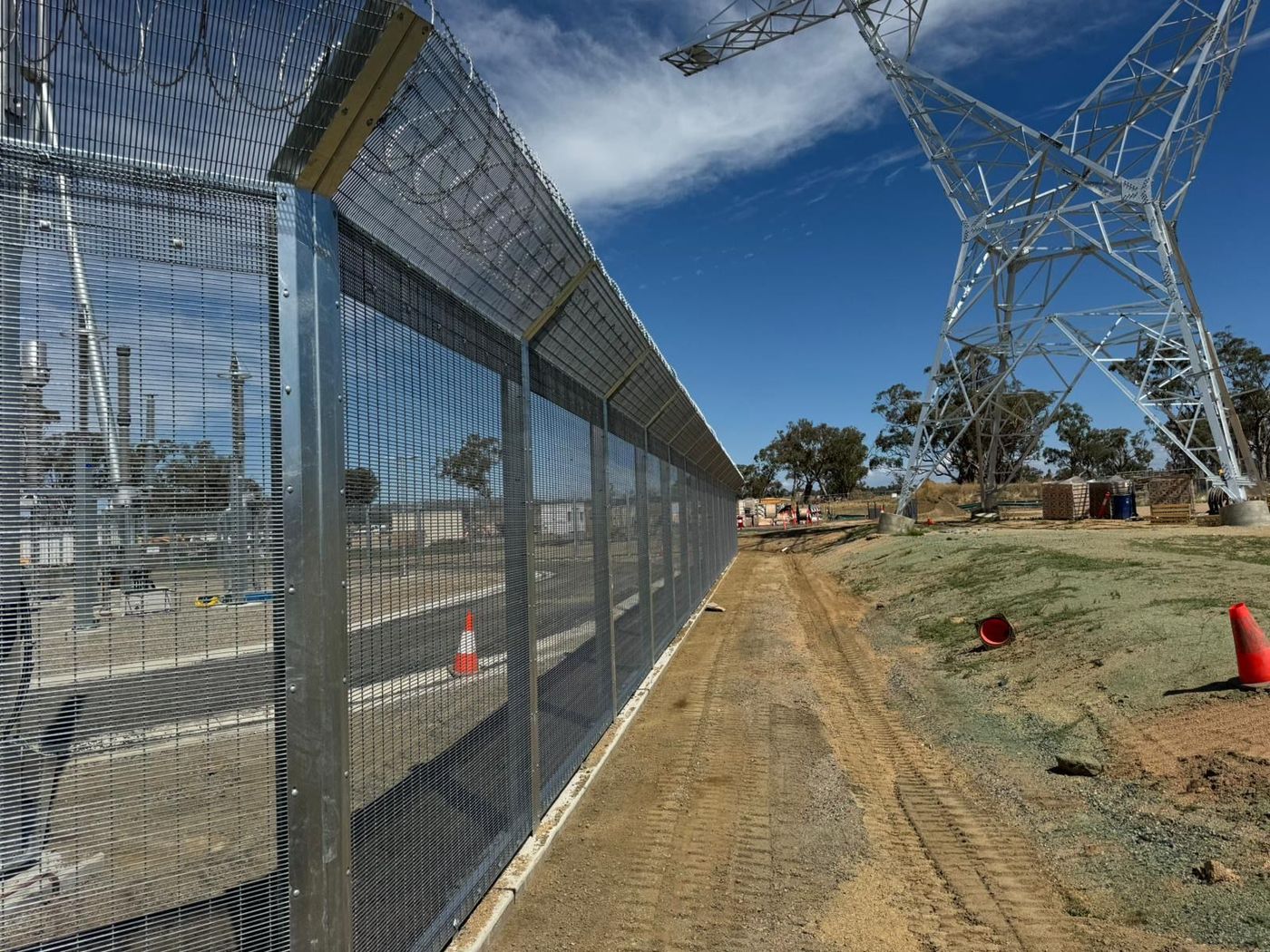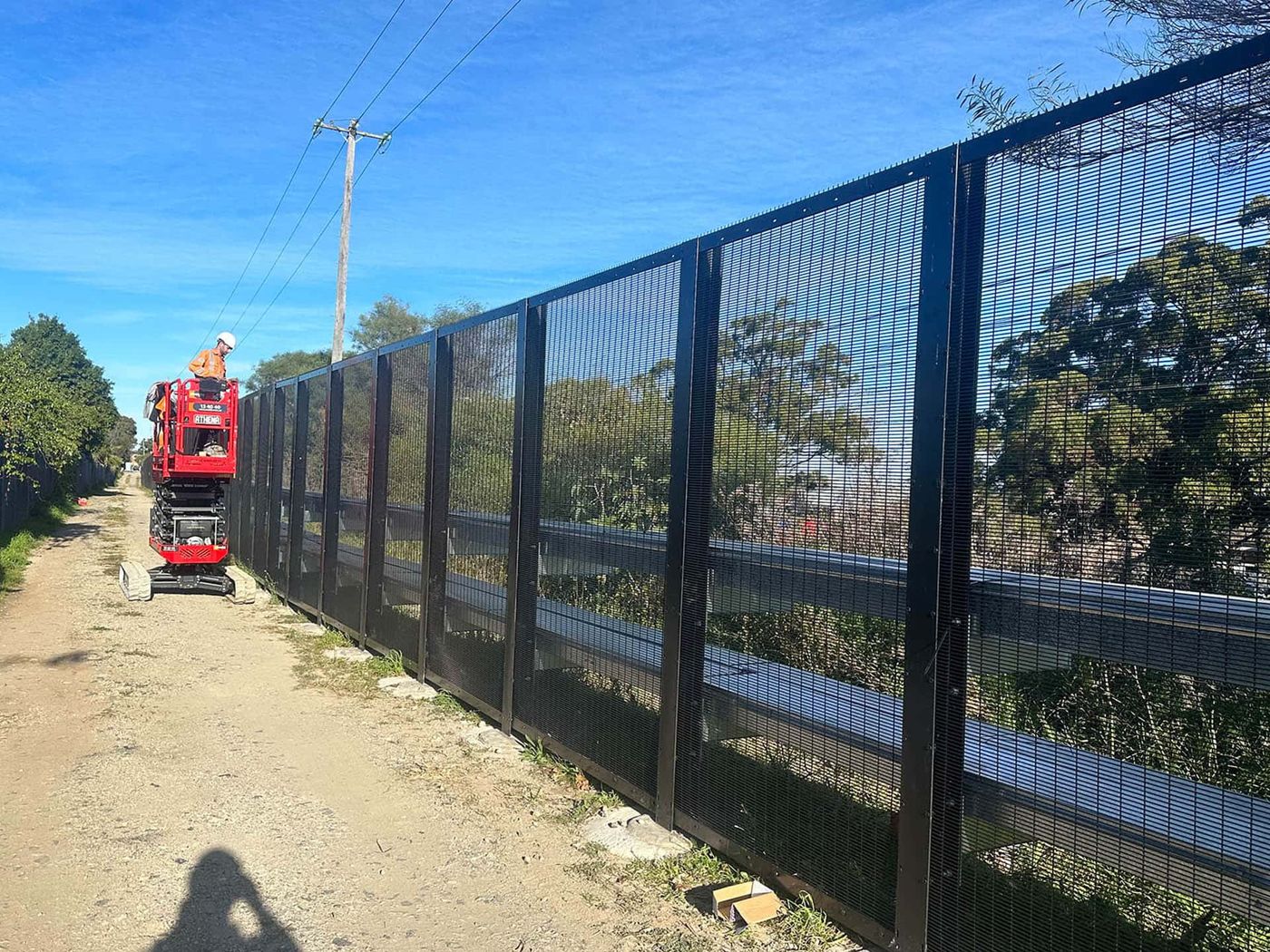
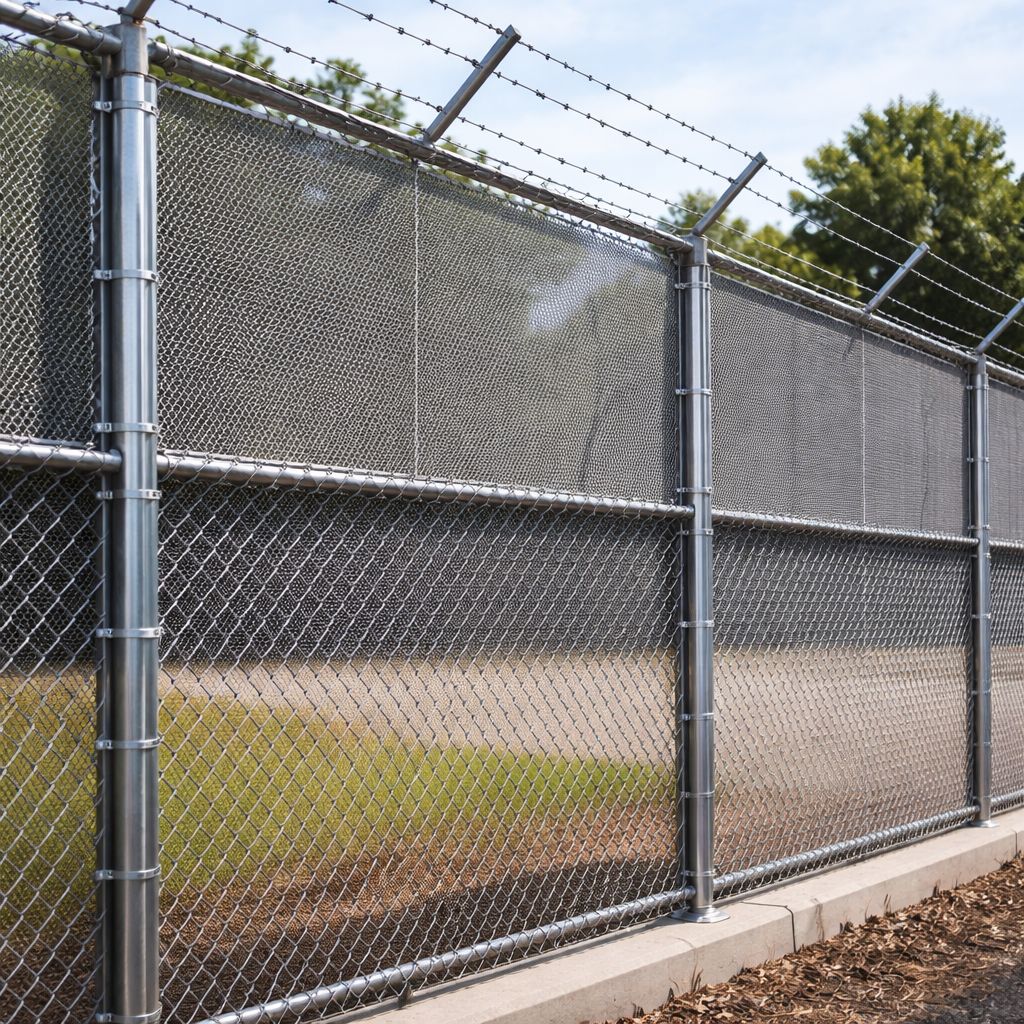
High security fence cost can make or break a project budget. You need clear numbers, not vague guesses. In this guide we break down the cost of four proven fence systems, show where money goes, and give you tips to keep the spend in check. By the end you’ll know which system gives the best value for your security needs.
High security fence cost can make or break a project budget. You need clear numbers, not vague guesses. In this guide we break down the cost of four proven fence systems, show where money goes, and give you tips to keep the spend in check. By the end you’ll know which system gives the best value for your security needs.
Below is the research that backs our numbers. It looks at seven systems from four sources and pulls out the key findings we’ll use throughout the article.
| Name | Material | Coating | Warranty (years) | Best For | Source |
|---|---|---|---|---|---|
| LS Fencing (Our Pick) | , | , | , | Best overall | lsfencingservices.com.au |
| 358 Security Mesh | zinc/aluminium coated ¥4mm high-tensile steel mesh | zinc/aluminium coated | lifetime | Best for lifetime warranty | metalfencechina.en.made-in-china.com |
| PROMAX 358 3.0 | steel mesh | powder coating (Interpon Metaplex) | 10 years | Best for anti-climb rating | profence.com.au |
| Palisade fencing | heavy-duty steel | black powder-coated or plain hot-dip galvanised steel | , | Best for heavy-duty steel | teamworkfencing.com.au |
| Garrison fencing | , | , | , | Best for transparent pricing | teamworkfencing.com.au |
| PROMAX 258 (2400×2400) | , | , | 10 years | Best for standard warranty | profence.com.au |
| PROMAX 258 (2404×2700) | , | , | 10 years | Best for variant sizing | profence.com.au |
The methodology was a multi-source scrape on 06 April 2026. Five web pages and two direct crawls gave us name, material, coating, and warranty. Items with three or more specs stayed in the set. That left seven solid entries to compare.
1. Chain Link High Security Fence
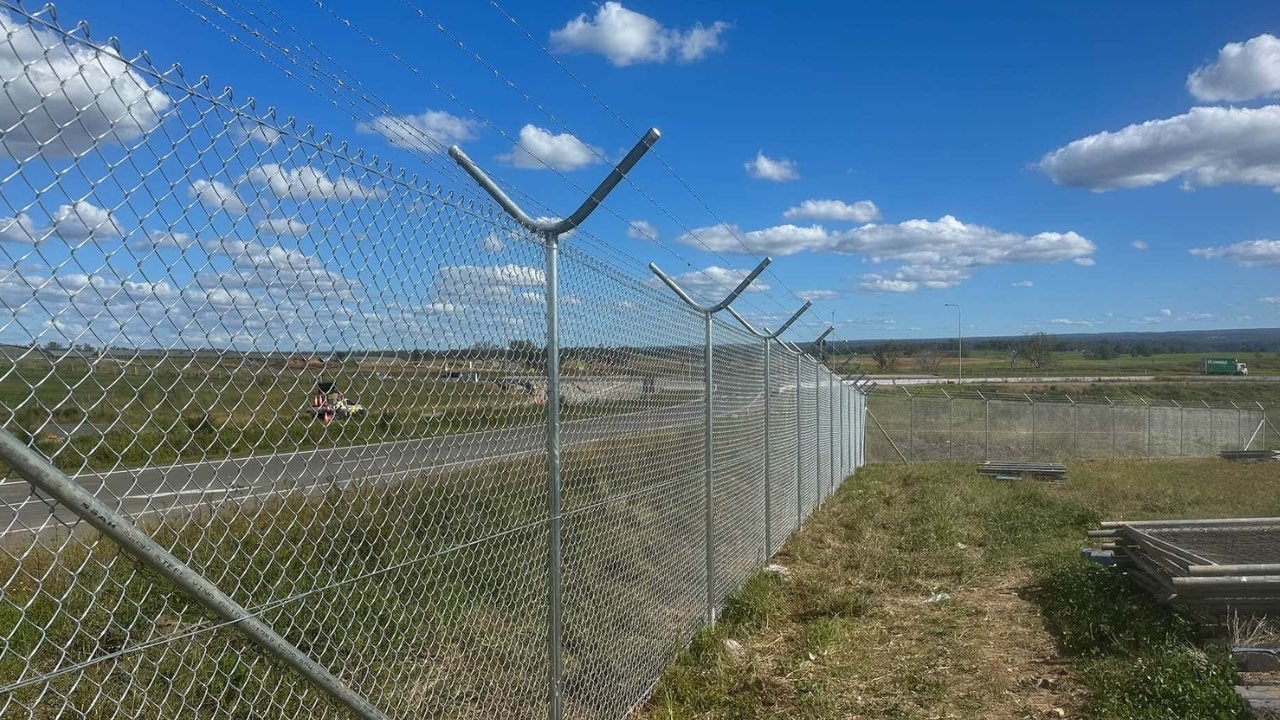
Chain link fences are the workhorse of security fencing. They’re cheap, they last, and they let air flow. That’s why many commercial sites still pick them.
Cost wise, professional installs run $10-$40 per linear foot in 2026. A typical 150-ft run of 4-ft high fence will cost $1,500-$6,000 installed. If you go DIY, material runs $3-$15 per foot, so you could finish for $450-$2,250.Chain link fence cost guidebreaks down the numbers.
Key cost drivers include fence height, gauge thickness, and galvanization type. Residential grade uses 11.5-gauge wire with basic galvanizing. Commercial grade steps up to 6-gauge steel and premium dip-coats. The heavier gauge adds roughly 15-30% to material cost but gives a longer life.
Installation labor is another big chunk. Simple straight-line jobs on level ground need $5-$15 per foot. Sloped sites, extra gates, or utility conflicts push labor up to $20 per foot.
Gate hardware adds $200-$500 for a single gate and $400-$800 for a double gate. The hardware must be sturdy; cheap hinges will fail under tension.
Geography matters. Urban markets charge 20-40% more for labor. Coastal sites often need extra corrosion protection, which bumps material cost by another 10-20%.
Here are three practical tips to keep the high security fence cost down:
- Bundle your material.Order fabric, posts, and hardware together to get volume discounts.
- Plan for straight runs.Minimize bends and corners to reduce post count.
- Lock in steel prices.Use a supplier that offers price-lock contracts for large orders.
When you need a proven, low-cost option that can be scaled quickly, chain link is hard to beat. It also pairs well with anti-climb mesh for added security.
And if you need a reliable partner for installation, LS Fencing’s chainwire service offers tier-1 project experience and on-time delivery.
But remember, chain link alone won’t stop a determined intruder. Pair it with a mesh system that has a lifetime warranty, like the 358 Security Mesh, to get the best of both worlds.

2. Welded Wire Mesh Fence
Welded wire mesh fences give you a solid barrier without the open look of chain link. They’re popular for farms, industrial sites, and high-risk zones.
Nationally the average cost sits between $1 and $15 per linear foot for material and labor combined. For a 1,000-ft stretch you might spend $1,000-$15,000 depending on gauge and coating.Ergeon wire fence cost overviewgives a good baseline.
Wire gauge is a big factor. An 18-gauge wire runs $0.75-$1 per foot, while a heavy 6-gauge wire can hit $2-$3 per foot. Thicker wire means higher strength and higher price.
Coating choices also affect cost. Galvanized wire is the cheapest, PVC or polyester coats add 40-60% to material price but boost corrosion resistance.
Installation labor averages $1-$8 per foot. Simple flat-ground jobs are on the low end. Rocky or sloped terrain can push labor toward $10-$15 per foot.
For large acreage, pricing often shifts to a per-acre model. Expect $836-$6,688 per acre for livestock fencing, which includes both material and labor.Fixr’s wire fence cost guidebreaks down these numbers.
Three steps to evaluate a welded mesh project:
- Measure linear footage accurately. Add 10% extra for waste.
- Choose gauge based on intended load. For livestock, go 6-8 gauge.
- Pick coating that matches the environment. Coastal sites need PVC or powder-coat.
And don’t forget to factor in post spacing. Most installers place posts every 6-8 ft. More posts raise material cost but improve stability.
But the biggest value driver is warranty. Only the 358 Security Mesh offers a lifetime warranty, even though its coating is a simple zinc/aluminium dip. That gap shows you can get long-term peace of mind without paying for premium powder coating.
When you need a fence that looks solid and can stop both people and animals, welded mesh is a solid choice. Pair it with a trusted installer for best results.
3. Palisade Fence
Palisade fences are the heavy-duty cousin of welded mesh. They use vertical steel pales that are hard to climb.
Labor costs dominate the price. Installers charge $10-$20 per linear foot for labor alone. A 200-ft run can therefore cost $2,000-$4,000 in labor.BarrierBoss labor cost analysisprovides the full breakdown.
Material costs vary. Heavy-duty steel pales start at $30-$80 per linear foot, depending on finish. Powder-coated black finish adds $10-$15 per foot.
Because each pale is thick, post spacing is usually 4-6 ft. More posts mean higher material cost but better stability on windy sites.
Here are three things to watch when budgeting for palisade:
- Site access.Narrow side-yards add 10-25% to labor.
- Height.An 8-ft fence needs extra bracing and can add $5-$10 per foot.
- Finish.Powder coating extends life but raises cost; hot-dip galvanizing is cheaper but may need repainting.
And if you need a real-world example, a recent government depot in Sydney chose a 2.5-m tall palisade fence from a local supplier. They reported a total spend of $78 per linear foot, which included posts, pales, and labor. The project stayed on schedule because the installer used pre-fabricated panels that cut onsite assembly time.
But palisade isn’t the only heavy-duty option. If you compare warranty lengths, you’ll see the 358 Security Mesh stands alone with a lifetime guarantee, while most palisade products offer only 5-10-year warranties.
For a deeper dive on budgeting, theProfitable Founder Podcasttalks about how founders plan large-scale procurement. The episode on construction budgeting echoes many of the points we cover here.

4. Concrete/Brick Security Wall
Concrete or brick walls are the ultimate barrier. They block sight, stop climbing, and last decades.
Because the material itself is pricey, the cost per linear foot often starts at $150-$250 for basic concrete, and $200-$350 for brick work. Labor can add another $100-$150 per foot, especially when forms and reinforcement are needed.
To help you compare, here’s a quick pros-cons matrix that looks at durability, cost, and maintenance.
| Aspect | Concrete Wall | Brick Wall |
|---|---|---|
| Durability | Excellent, 30+ years with little upkeep | Very good, 25+ years, mortar may need repointing |
| Initial Cost | $150-$250 per foot (material) + $100-$150 labor | $200-$350 per foot (material) + $100-$150 labor |
| Maintenance | Low, occasional crack repair | Medium, mortar joints need periodic repair |
| Design Flexibility | High, can cast shapes, integrate lighting | Medium, limited to brick patterns |
When you plan a wall, think about the following steps:
- Do a soil test. Bad soil can increase foundation depth, raising cost.
- Choose a finish. Exposed concrete is cheap; painted or textured finishes add $5-$10 per foot.
- Plan drainage. Proper footings and weep holes prevent water damage.
And don’t forget to factor in any required permits. In NSW, RMS compliance can add $500-$1,200 depending on height and location.
But if you need a faster, cheaper solution that still offers high security, our top recommendation remains our pick , LS Fencing’s custom high-security solution. It blends the strength of mesh, the look of palisade, and the durability of a wall, all backed by LS Fencing’s proven track record.
FAQ
What factors drive high security fence cost the most?
The biggest cost drivers are material choice, fence height, and labor complexity. Heavy-gauge steel or concrete raises material cost, while taller fences need stronger posts and more labor. Site conditions like slope or limited access add extra hours. Don’t forget coatings , powder-coated finishes cost more but can extend life. By breaking down each factor, you can target savings without sacrificing security.
How does warranty length affect the overall value?
A longer warranty reduces long-term risk. Our research shows only 358 Security Mesh offers a lifetime warranty, even though its coating is simple zinc/aluminium. Competing products like PROMAX 358 3.0 have 10-year warranties despite premium powder coats. When you factor in future repair costs, a lifetime warranty often provides better value than a higher-priced finish.
Can I mix different fence types to balance cost and security?
Yes. Many projects use a chain-link base for coverage and add a high-climb mesh at vulnerable points. Palisade can be placed where visual deterrence is needed, while concrete walls protect high-risk zones. Mixing lets you allocate budget where it matters most and still meet compliance standards.
What is the typical installation timeline for each fence type?
Chain-link fences can be installed in 1-2 weeks for a 200-ft run. Welded mesh takes 2-3 weeks because posts need precise alignment. Palisade often requires 3-4 weeks due to heavier components and possible custom fabrication. Concrete or brick walls are the longest, usually 4-6 weeks, as they involve curing time and extensive site prep.
How do I evaluate a contractor’s capability for high security projects?
Look for tier-1 builder references, ISO certifications, and a clear safety plan. Ask for a detailed quote that separates material, labor, and post-install support. A good contractor will also provide a warranty schedule and a timeline that accounts for weather delays. LS Fencing, for example, holds ISO 9001 and offers a custom project plan for every client.
Is it worth paying extra for powder-coated steel?
Powder-coating adds 40-60% to material cost but improves corrosion resistance, especially in coastal areas. If your site faces salty air, the extra spend can save you from early repainting. However, the research shows the 358 Security Mesh’s simple zinc/aluminium coating still gets a lifetime warranty, meaning you may not need the premium finish for long-term protection.
What budgeting tools can help me estimate high security fence cost?
Online calculators from fence suppliers let you input linear footage, height, and material type to get a rough estimate. The Ergeon Fence Calculator and BarrierBoss cost guide are two reliable options. Always add a 10-15% contingency for unexpected site conditions, and compare at least three quotes before deciding.
How does high security fence cost compare across different regions?
Urban areas like Sydney typically see 20-40% higher labor rates than regional locations. Coastal projects may need extra coating, pushing material cost up another 10-20%. Rural sites often have lower labor costs but may face higher transport fees for heavy materials. Adjust your budget based on these regional factors to avoid surprise overruns.
Conclusion
Understanding high security fence cost is key to a successful project. Chain link offers low upfront spend, welded mesh adds strength, palisade gives visual deterrence, and concrete walls provide ultimate protection. Our research highlights a clear warranty gap , only 358 Security Mesh gives a lifetime guarantee. That insight, combined with LS Fencing’s custom solutions, helps you pick the right system for your budget and risk profile.
We’ve walked through material choices, labor impacts, and real-world pricing examples. Use the tips and step-by-step guides to size, quote, and compare vendors. When you’re ready, partner with a proven provider like LS Fencing to get a tailored, on-time installation that meets compliance and gives lasting peace of mind.
Specifying or pricing a perimeter?
Send the drawings or a brief and LS Fencing Services will come back with a detailed proposal.