Awarding a perimeter security package on a government or infrastructure site carries a different weight to most fencing work. The asset behind the line is often critical to public safety, energy supply or operational continuity, and the consequences of a non-compliant or under-delivered installation are measured in failed inspections, programme delays and reputational exposure for the principal contractor. Choosing t
Awarding a perimeter security package on a government or infrastructure site carries a different weight to most fencing work. The asset behind the line is often critical to public safety, energy supply or operational continuity, and the consequences of a non-compliant or under-delivered installation are measured in failed inspections, programme delays and reputational exposure for the principal contractor. Choosing the right commercial security fencing contractor is a procurement decision, not a quote comparison. The contractor you appoint has to read a specification accurately, deliver to it on a live and access-controlled site, and hand over documentation that survives audit. This article sets out what separates a genuine commercial security fencing contractor from a general fencing company, and the questions worth asking before you award the work.
Why the Distinction Between Commercial and General Fencing Matters
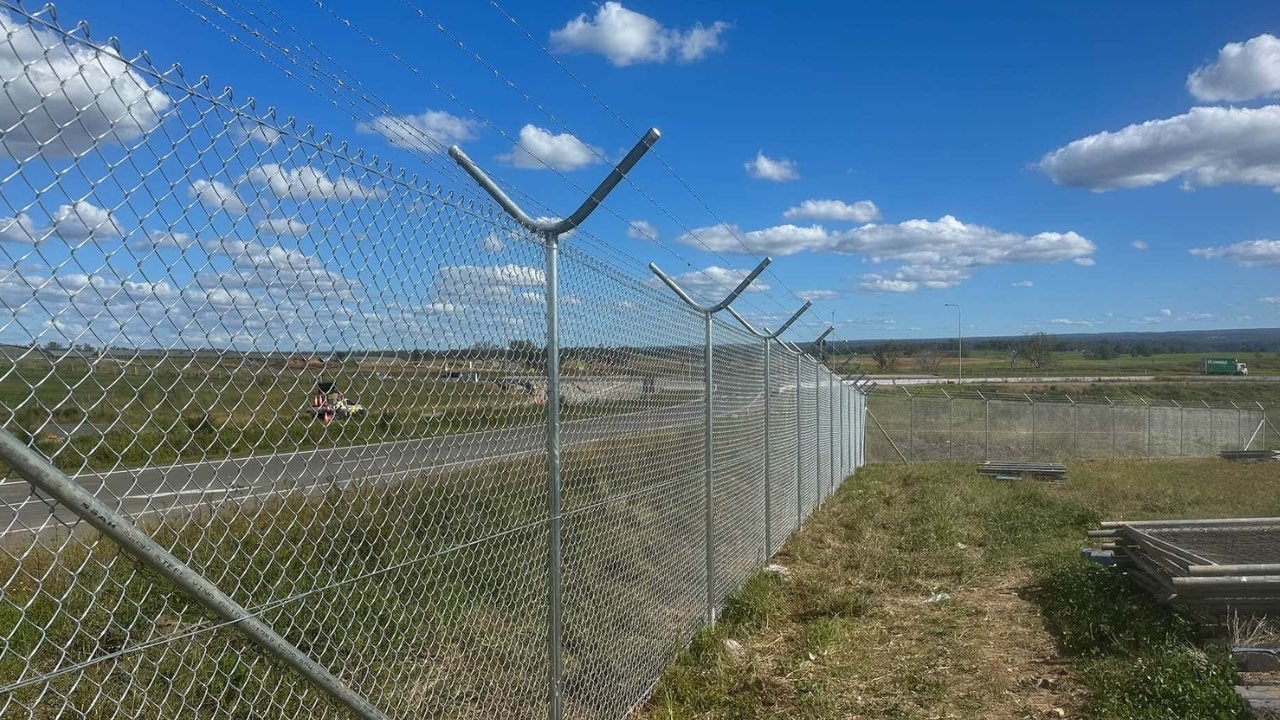
A general fencing company can install boundary lines, rural fencing and standard chain wire competently. A commercial security fencing contractor operates in a different environment: tier 1 builders, government agencies, energy utilities and infrastructure principals, where the brief is a security outcome rather than a length of fence. The product is only part of it. The contractor has to interpret a security specification, coordinate with other trades on a sequenced programme, work inside the access and induction requirements of a controlled site, and produce the compliance records the principal needs for handover.
On a substation, solar farm or government facility, the fence line forms part of the asset’s physical security strategy. It may need to deter and delay intrusion, integrate with electronic detection, accommodate automated access points and meet the standards referenced in the project documents. A contractor who treats it as ordinary fencing will miss these requirements, and the gap usually surfaces at inspection when it is most expensive to correct. The difference is visible in how a contractor engages with the specification from the first conversation.
What to Look For in a Commercial Security Fencing Contractor
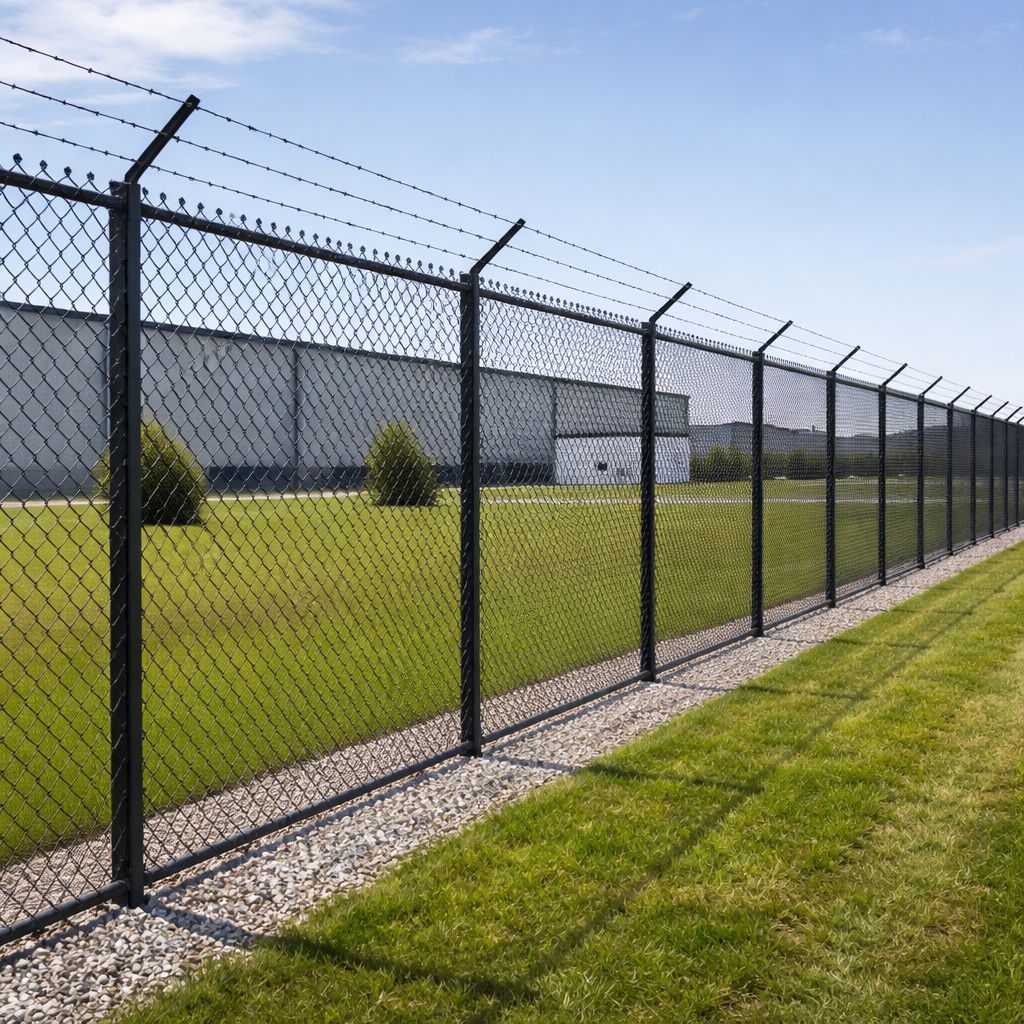
The selection criteria below separate contractors who can deliver on infrastructure sites from those who cannot. Each one is worth confirming with evidence rather than assurances.
- Proven tier 1 and government track record. Look for completed projects with named principal contractors and agencies, ideally in your sector. A contractor who has delivered for energy utilities and government clients understands the documentation, access and coordination demands before they arrive on site.
- Ability to meet security specifications and standards. The contractor should read a specification and confirm exactly how the proposed system meets it, referencing the relevant Australian Standards and project requirements accurately rather than offering a generic substitute.
- Compliance and documentation capability. Inspection and test plans, material certifications, safe work method statements and as-built records are part of the deliverable. A contractor who produces these as standard is one who has worked under audit before.
- Capacity for large-scale and high-security work. Confirm the contractor has the labour, plant and supply arrangements to hold the programme on a sizeable perimeter without subcontracting the security-critical scope to an unknown party.
- Customised solutions. Few infrastructure perimeters are standard. The contractor should engineer around site constraints, ground conditions, integration points and threat profile rather than forcing a catalogue product onto the line.
- Project management and site safety. A nominated point of contact, a clear programme, inductions completed and a demonstrated safety record are non-negotiable on a controlled site.
- The right product range under one contractor. Sourcing the full system from a single accountable party removes the coordination risk of splitting a perimeter across multiple suppliers.
The Product Range That Signals a Serious Contractor
The breadth and quality of a contractor’s product range is a reliable indicator of the work they are equipped to handle. A genuine high-security supplier carries and installs the systems that infrastructure specifications call for:
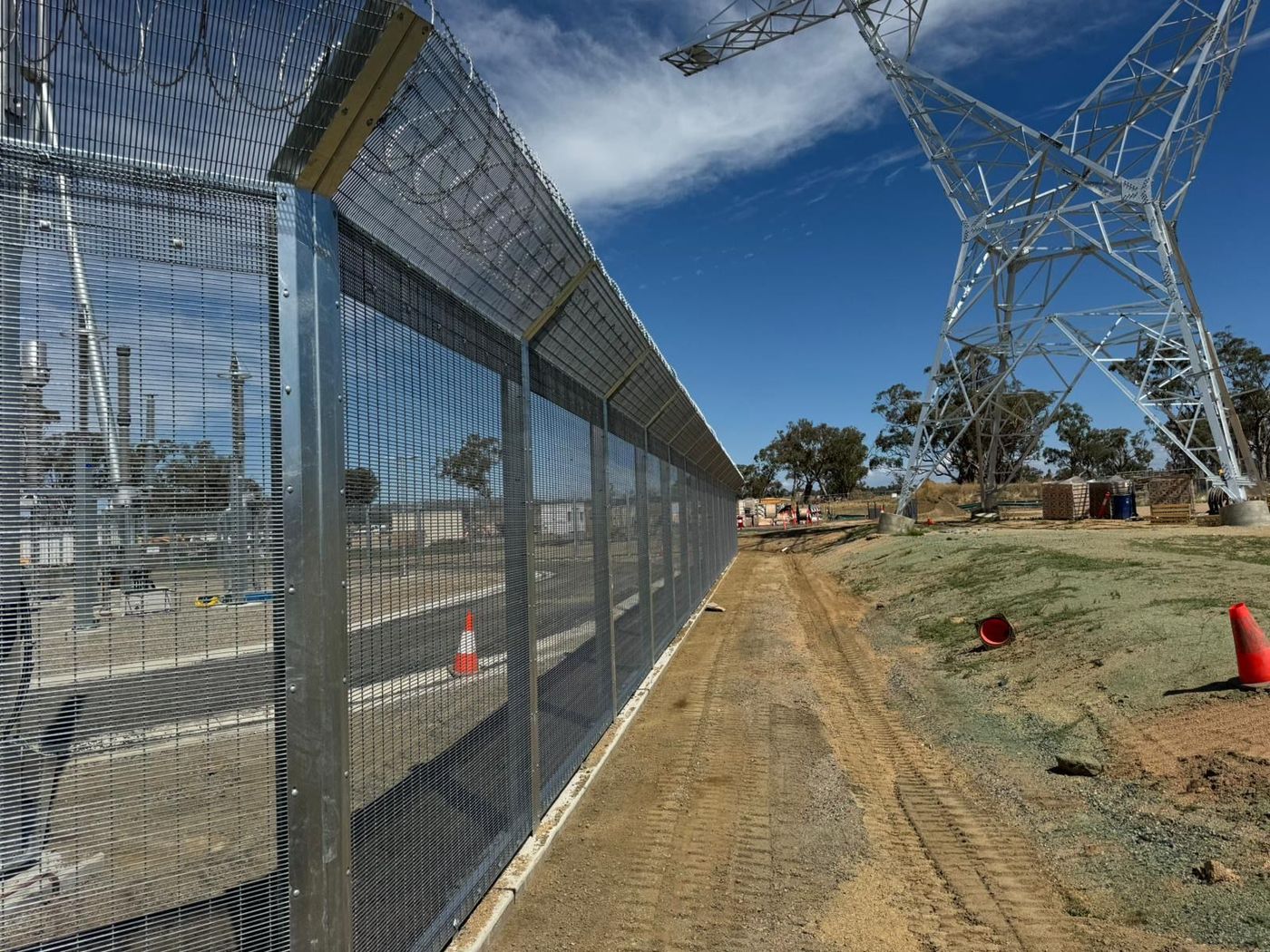
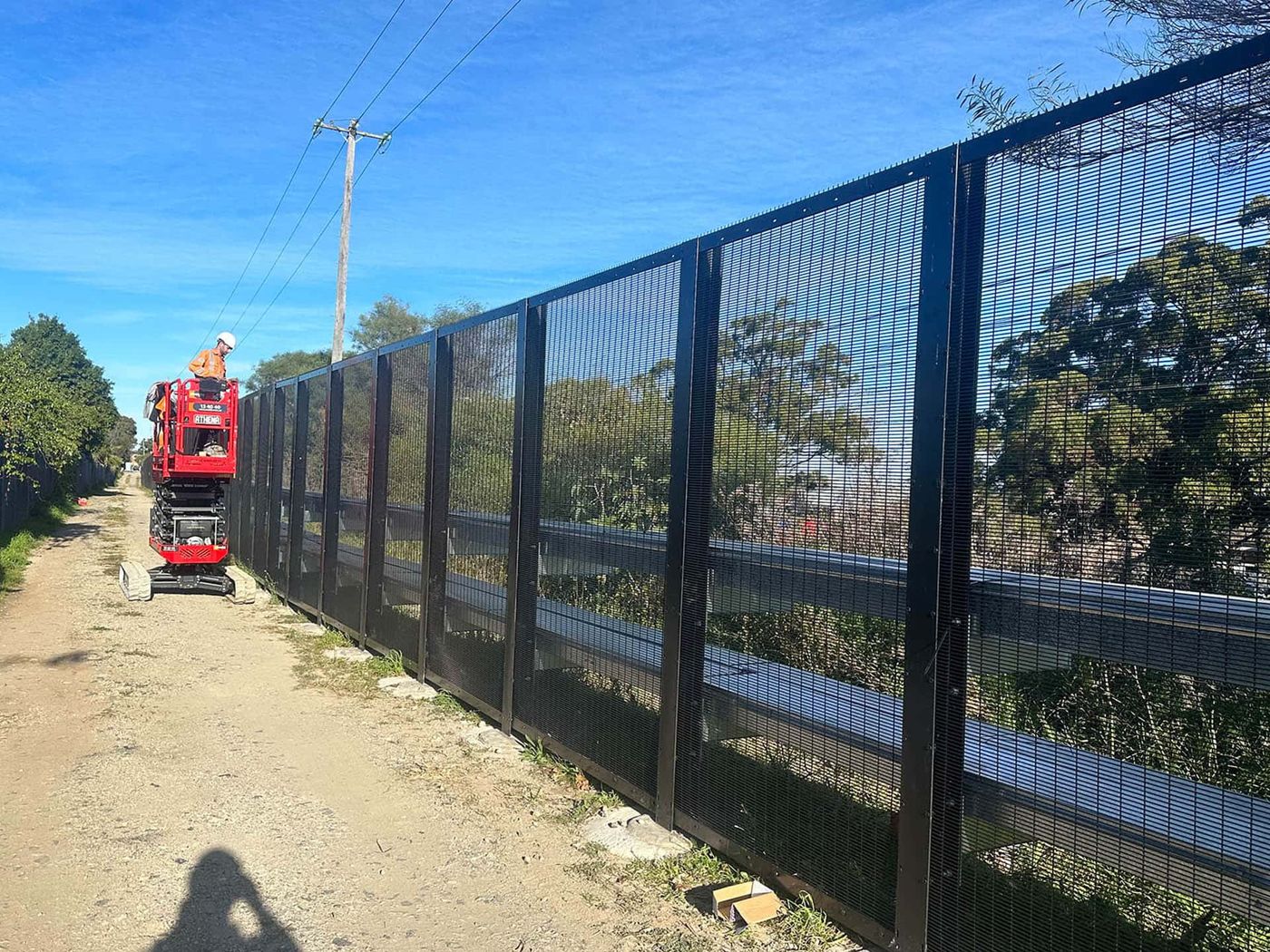
- 358 anti-climb mesh, the small-aperture welded panel that resists climbing and cutting and is the standard choice for high-security perimeters.
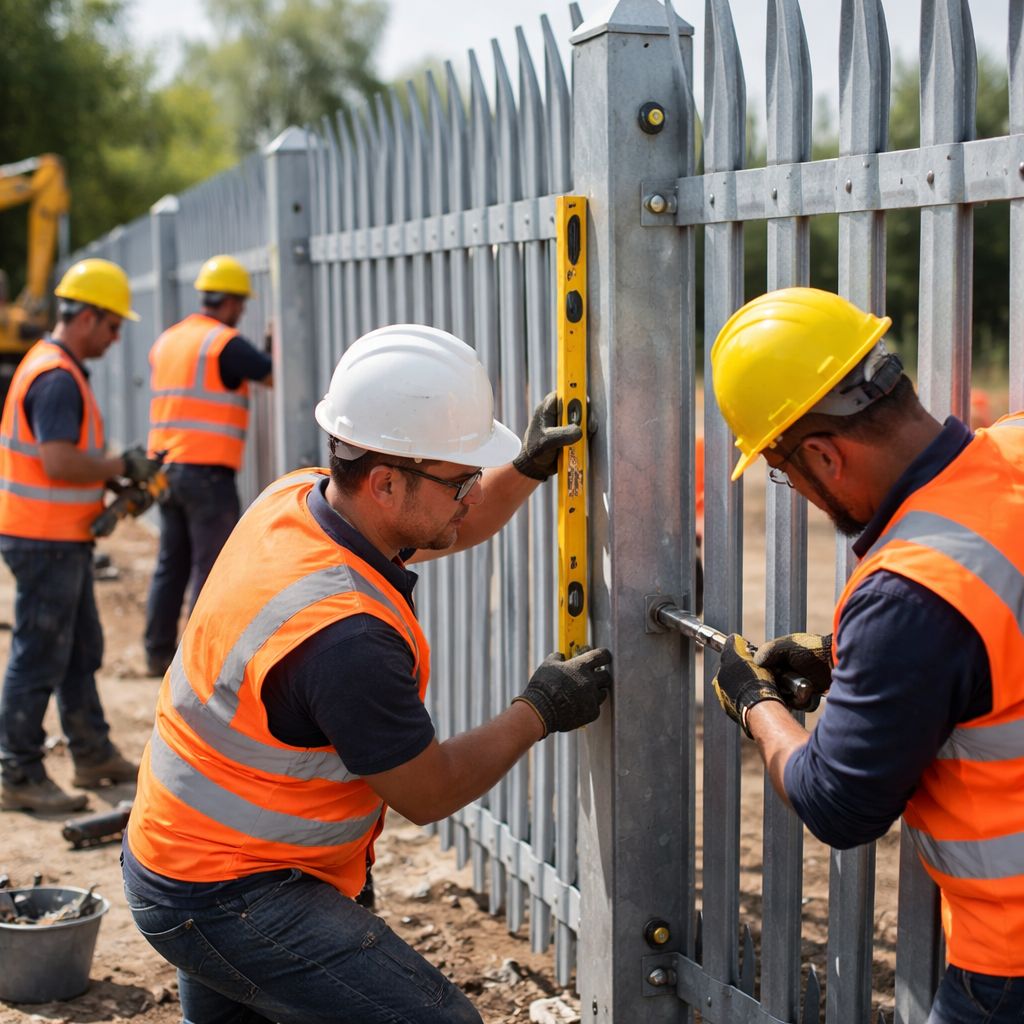
- Palisade fencing, where a sightline-permeable, high-deterrence barrier suits the asset and threat profile.
- Welded mesh systems for secure boundaries that balance visibility with strength.
- Automated gates integrated with site access control for vehicle and pedestrian movement.
- Bollards and vehicle mitigation where hostile vehicle access is part of the risk assessment.
A contractor who can specify and install across this range, and explain why one system suits your asset over another, is operating at the level an infrastructure project requires. You can review the full scope on the LS Fencing security fencing and high-security fencing pages.
Why Specification Compliance and Proven Delivery Matter
On an infrastructure site, the specification is the contract. When a perimeter is documented to a particular standard, height, mesh aperture and post detail, deviation is not a minor variation; it is a defect that can halt handover until rectified. A contractor who understands this will confirm compliance line by line at tender, flag any conflict in the documents early, and build to the specification exactly. One who treats the specification as a guideline introduces risk that lands on the principal contractor at inspection.
Proven delivery matters for the same reason. A track record on comparable sites tells you the contractor has already worked through the access protocols, induction requirements, coordination with civil and electrical trades, and the documentation burden that infrastructure projects carry. LS Fencing’s recent work illustrates this directly: the team delivered high-security perimeter fencing for a TransGrid solar farm and for an Endeavour Energy substation, both energy-sector sites with strict security and compliance requirements. Delivering on assets of this kind demands an established understanding of utility client expectations, and that experience is the difference between a smooth handover and a contested one. Further examples are documented on the LS Fencing recent projects page, and the firm’s approach to standards is set out on its compliance page.
Questions to Ask a Contractor Before Awarding Work
Before you award a security fencing package, put the following to any contractor on your shortlist. The quality of the answers will separate the genuine specialists quickly.
- Can you provide references and project records for completed work with tier 1 builders and government or infrastructure clients?
- How will you confirm the proposed system meets our specification and the referenced Australian Standards?
- What compliance documentation do you supply as standard, and at what points in the programme?
- What is your capacity to resource a perimeter of this scale and hold the programme without offloading the security-critical scope?
- How do you manage site safety, inductions and coordination with other trades on a controlled site?
- Who is our single point of contact for the duration of the project, and how is progress reported?
- Have you delivered the specific products in our documents, such as 358 anti-climb mesh, palisade or automated gates, on comparable sites?
A contractor confident in their commercial track record will answer these directly and back the answers with evidence. Hesitation, vague assurances or an attempt to redirect you toward a different product than the one specified are all signals worth noting before any commitment is made.
Frequently Asked Questions
What makes a fencing contractor suitable for government and infrastructure projects?
Suitability comes down to demonstrated experience on controlled sites, the ability to read and build to a security specification, full compliance documentation as a standard deliverable, and the capacity to resource large-scale work without compromising the security-critical scope. A contractor with a proven tier 1 and government track record has already worked through the access, induction and coordination requirements these projects involve.
Why is specification compliance so important on a security fence?
On infrastructure sites the specification defines the security outcome the asset owner requires, including standard, height, mesh type and post detail. Any deviation can be treated as a defect that delays handover until it is corrected. A contractor who confirms compliance at tender and builds to the documents exactly removes that risk from the principal contractor.
What high-security fencing products should a serious contractor offer?
A genuine high-security contractor specifies and installs 358 anti-climb mesh, palisade fencing, welded mesh systems, automated gates integrated with access control, and bollards or vehicle mitigation where the risk assessment calls for it. Crucially, they can explain why a given system suits your asset and threat profile rather than defaulting to a single product.
How can I verify a contractor’s track record before awarding work?
Ask for project records and references tied to named principal contractors and agencies, ideally on sites comparable to yours. Reviewing documented recent projects, such as energy-sector work for utilities like TransGrid and Endeavour Energy, gives a clear picture of whether the contractor has delivered under the conditions your project will impose.
Can a single contractor handle the full perimeter scope?
Yes, and it is preferable. Sourcing mesh, palisade, gates, automation and vehicle mitigation through one accountable contractor removes the coordination risk of splitting a perimeter across multiple suppliers, and keeps responsibility for the security outcome with one party from specification through to handover.
Talk to LS Fencing About Your Project
LS Fencing Services delivers commercial and high-security fencing for tier 1 builders, government agencies and infrastructure principals across Sydney and greater NSW, with a proven record on energy-sector and government sites including recent work for TransGrid and Endeavour Energy. If you are specifying or procuring a perimeter security package and need a contractor who can meet the specification, supply the compliance documentation and deliver at scale, contact LS Fencing to discuss your project requirements.
Specifying or pricing a perimeter?
Send the drawings or a brief and LS Fencing Services will come back with a detailed proposal.