Guides

Top Industrial Fencing Sydney Contractors

Picking the wrong fencing contractor on a government or commercial site doesn’t just cost money. It costs time, compliance sign-off, and sometimes the whole contract. Here are six contractors worth considering for indust

ISO 9001, 14001, 45001 4.9 from 19+ reviews Tier 1 and government sites

9 min read · Published 25 July 2026

In short

Picking the wrong fencing contractor on a government or commercial site doesn’t just cost money. It costs time, compliance sign-off, and sometimes the whole contract. Here are six contractors worth considering for industrial fencing in Sydney, starting with the one that consistently delivers on tier 1 and government projects.

Picking the wrong fencing contractor on a government or commercial site doesn’t just cost money. It costs time, compliance sign-off, and sometimes the whole contract. Here are six contractors worth considering for industrial fencing in Sydney, starting with the one that consistently delivers on tier 1 and government projects.

1. LS Fencing, Our Top Pick for High-Security Industrial Fencing in Sydney

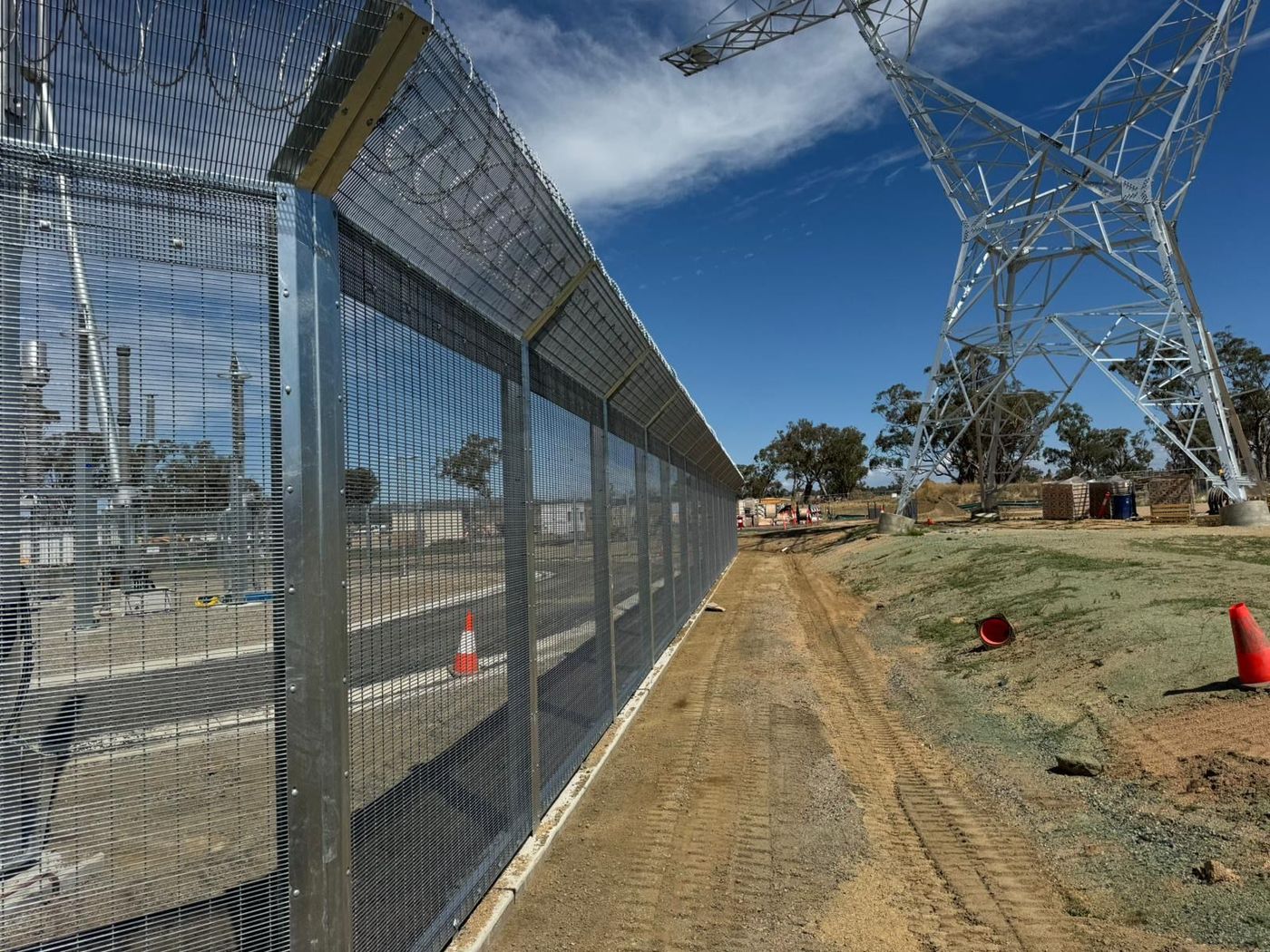
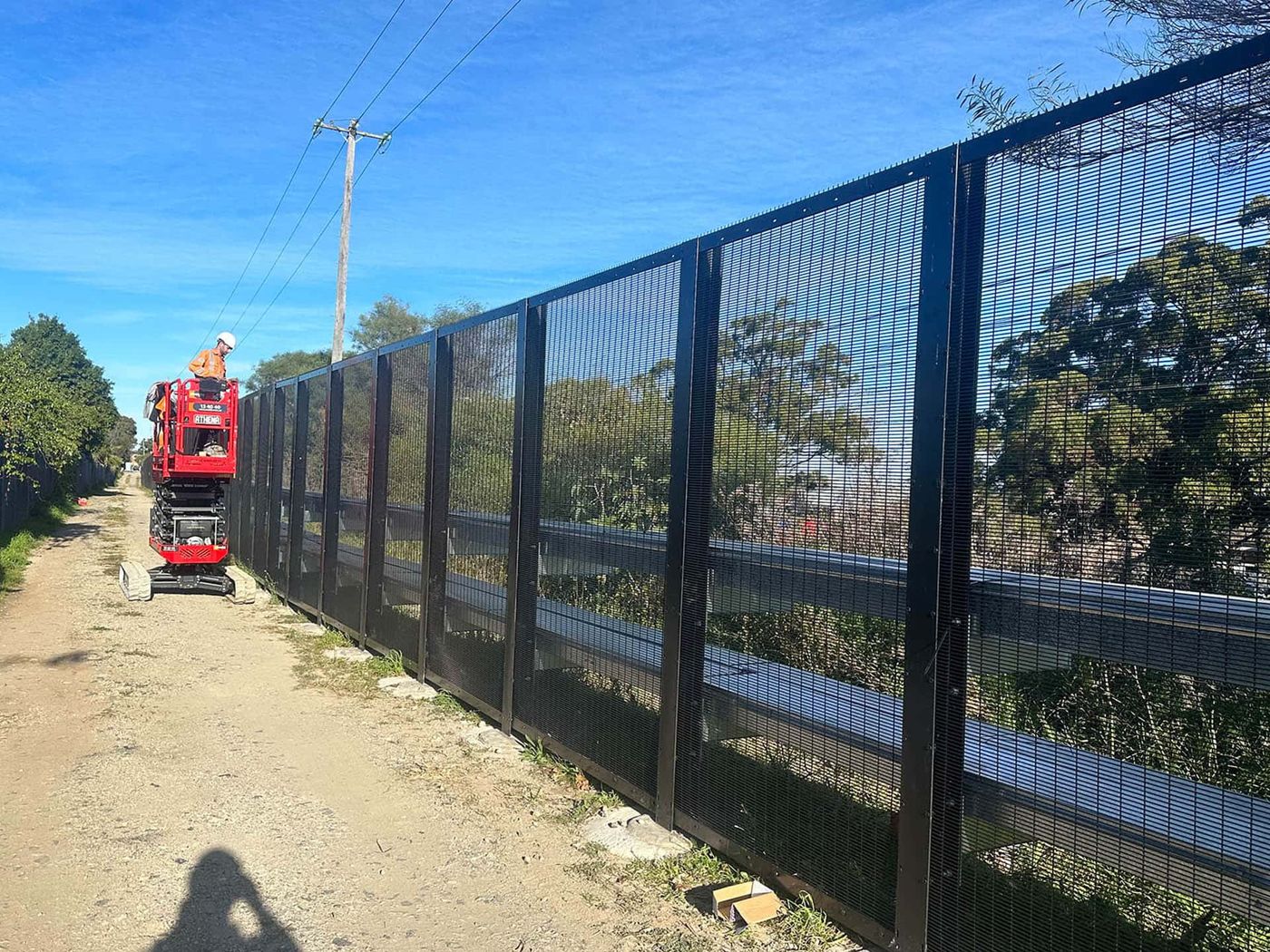
LS Fencing is a Sydney-based specialist in high-security perimeter fencing, access-controlled gates, and automated entry systems. Established in 2012, it has built a track record on projects for the Department of Defence, Metro Trains Sydney, Sydney Water, and Endeavour Energy. That breadth of public-sector experience is rare and difficult to fake.

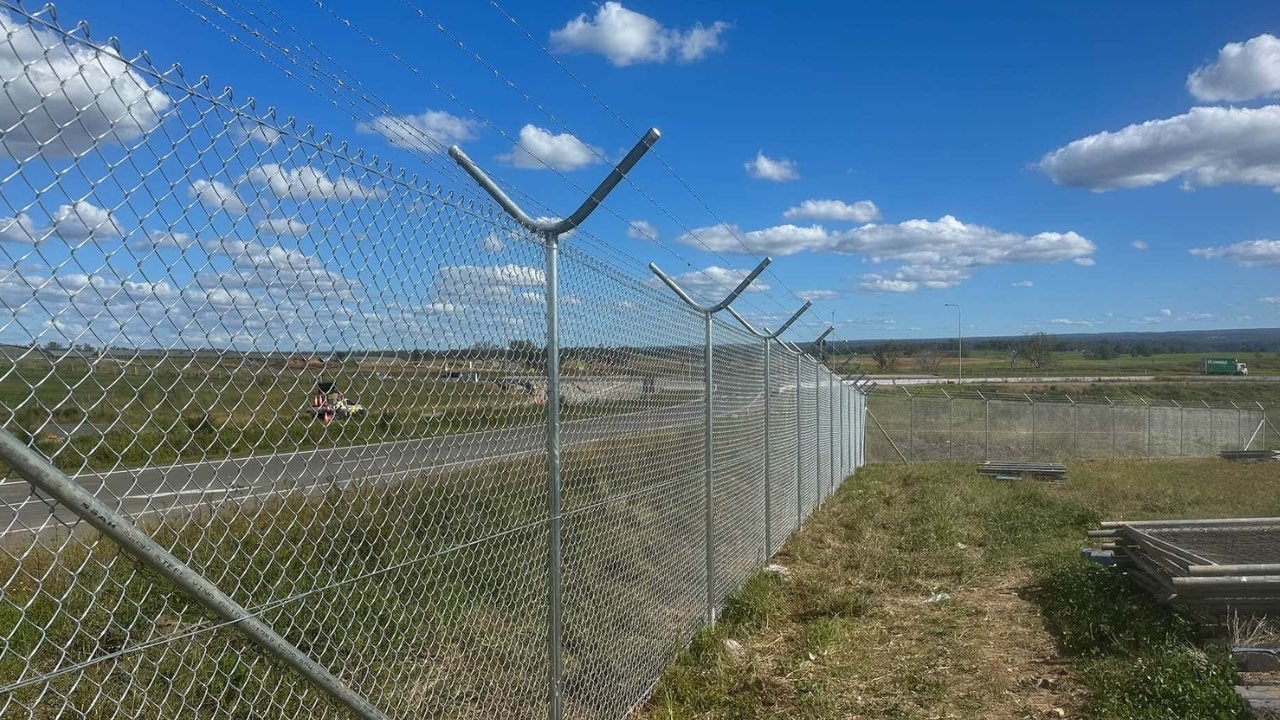
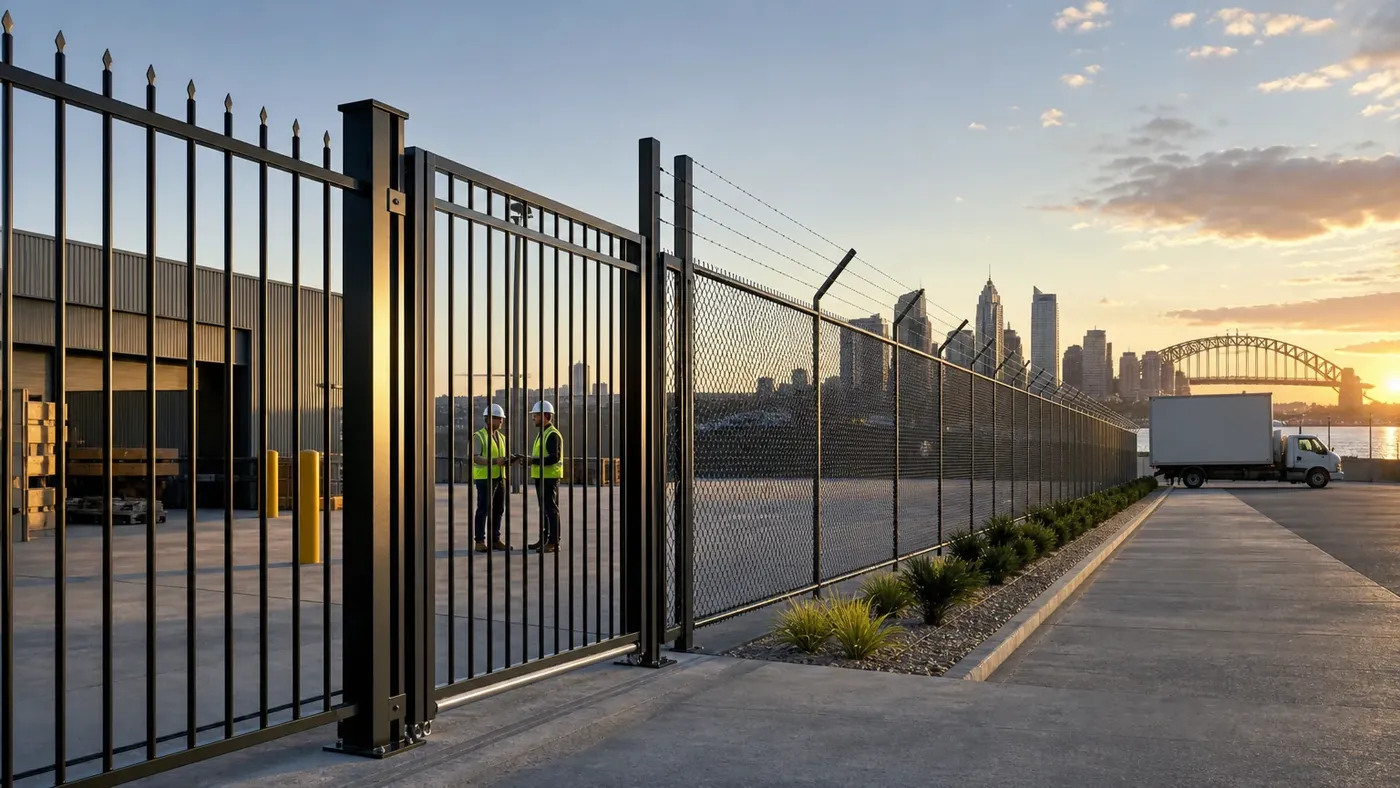
The product range covers 358 anti-climb mesh, palisade fencing, chainwire, crimp-top panels, sliding and swing gates, bollards, and razor wire. Importantly, LS Fencing also handles gate automation, which means a project manager can specify the full perimeter solution through a single contractor rather than managing two separate suppliers.

For facilities managers and tier 1 builders, the real advantage is accountability. LS Fencing doesn’t just supply materials. It manages installation to specification, which is critical when compliance with AS/NZS standards is a contract condition. The security fencing installation service covers the full scope: manufacturing, supply, and on-site installation across Sydney and greater NSW.

The one honest caveat: LS Fencing’s pricing reflects a tier 1 service level. If your project is a basic chainwire boundary at a low-security site, there are cheaper options. But for any site where access control, compliance certification, or government procurement standards apply, LS Fencing is the contractor to call first.

Key Takeaway: LS Fencing is the only contractor in this shortlist that publicly names its government and tier 1 builder clients, which matters when your procurement team needs demonstrated experience on paper.

2. Protective Fencing Pty Ltd, Government and Defence-Grade Perimeter Security

Protective Fencing Pty Ltd focuses on high-security custom fencing solutions, with a large stockholding of security fence products and a deliberate emphasis on fast turnaround and delivery times. That delivery speed matters on time-critical projects where gate installation holds up commissioning of the whole site.

The product range includes chain-wire, welded mesh, palisade, tubular steel systems, anti-ram and crash-rated fencing, and custom access gates. Decades of experience on government and defence projects gives the company credibility in sectors where fencing specifications are set by security consultants, not site managers.

The limitation is transparency. Protective Fencing Pty Ltd doesn’t publish certification details or project references publicly, which can complicate procurement for government tenders that require documented compliance evidence upfront. Factor in extra lead time for gathering that documentation if your specification demands it.

3. Australian Security Fencing (ASF), Integrated Anti-Climb and Intrusion Detection Systems

Australian Security Fencing specialises in anti-climb welded mesh, palisade systems, and crash-rated barriers. Where it stands apart is its integration capability: ASF provides fencing systems that incorporate electric fencing and intrusion detection, which turns the perimeter from a passive barrier into an active security layer.

That integration matters for data centres, substations, and critical infrastructure sites where a physical breach needs to trigger a monitored alert, not just a tamper mark on a mesh panel. For a security consultant specifying a perimeter system at that level, ASF offers a more complete solution than most standalone fencing contractors.

Worth noting: integrated electronic systems add complexity to maintenance schedules. Site facilities managers need to plan for both physical fencing inspections and periodic testing of the detection systems. If your site doesn’t require active detection, that added complexity is cost without benefit.

4. Wiremeshworld, Certified High-Security Welded Mesh Panels

Wiremeshworld is a supplier of high-security welded mesh fencing panels, anti-climb and anti-cut mesh systems, and chain-wire fencing for commercial sites. It is one of only two contractors in this shortlist that publicly discloses its compliance certifications, listing conformance with Australian safety standards AS 1725 and AS 4687.

Wiremeshworld: visual reference for 4. Wiremeshworld, Certified High-Security Welded Mesh Panels

That certification transparency is genuinely useful in a market where most contractors keep compliance details off their public materials. If your tender requires documented conformance evidence at the specification stage, Wiremeshworld’s published certification data reduces the back-and-forth before contract award.

The usable gap is scope. Wiremeshworld’s strength is panel supply and mesh systems. If your project also needs automated gate systems or integrated access control, you’ll likely be coordinating a second contractor. That’s not unusual for large-scale sites, but it’s a planning consideration.

5. Bluescope Lysaght, Colorbond Steel Fencing for Coastal and Industrial Sites

Bluescope Lysaght produces Colorbond steel fencing and barrier systems using fully Australian-made steel with corrosion-resistant coatings. For coastal industrial sites around Sydney, particularly in areas exposed to salt spray, Colorbond’s coating system is a material-level answer to corrosion that standard powder-coated mild steel can’t match over a 20-year asset lifecycle.

The product is well-suited to situations where aesthetics matter alongside security. Manufacturing facilities, distribution centres, and commercial precincts in coastal zones regularly specify Colorbond because it holds its appearance without the rust bleed that can appear on untreated steel within a few years of salt exposure. The product uses a multi-layer metallic coating process developed specifically for Australian climate conditions.

The limitation is product focus. Bluescope Lysaght is a materials manufacturer, not an end-to-end installation contractor. Project managers typically source Colorbond materials through a fencing contractor who handles supply and install. For Sydney projects, that means specifying Colorbond as the material and then engaging an installation contractor separately.

6. TRM Fencing, ISO-Certified Contractor for Regional and Large-Scale NSW Projects

TRM Fencing holds four active certifications: ISO 9001:2015 for quality management, ISO 14001:2015 for environmental management, ISO 45001:2018 for occupational health and safety, and an MIC certification. That certification stack is the most complete of any contractor in this list and directly relevant to government infrastructure tenders that require management system documentation as part of the RFT package.

TRM Fencing: visual reference for 6. TRM Fencing, ISO-Certified Contractor for Regional and Large-Scale NSW Projects

The focus is on regional, rural, and remote fencing projects across NSW, backed by plant and equipment suited to large-scale work in difficult terrain. For project managers running infrastructure programs outside metropolitan Sydney, TRM’s operational capacity is a genuine advantage over contractors who concentrate work in the metro area.

For Sydney-based industrial sites that don’t require regional logistics, TRM’s regional focus may be less of a fit than a Sydney-specialist contractor. The ISO certifications are a strong differentiator for procurement teams, but they’re most valuable when the project itself has formal management system requirements baked into the contract.

How to Choose the Right Industrial Fencing Contractor in Sydney

Most Sydney contractors in this market don’t publish their project references or certification details publicly. Only two of the six listed here disclose certifications upfront. That transparency gap means procurement officers need to ask directly, early, and in writing.

Before shortlisting, confirm these four things:

  • Compliance documentation: Can the contractor supply evidence of conformance with Australian Standards relevant to your specification, such as AS 1725 for chain-wire or the applicable standard for high-security mesh?
  • Project references: Do they have named clients in the same sector? Government procurement, defence, and critical infrastructure require demonstrated sector experience, not just general commercial work.
  • Installation scope: Does the contractor supply and install, or do they supply only? Coordinating a separate installer adds programme risk.
  • Lead time and delivery: For staged projects, confirm whether fence panels and gate hardware can be delivered to programme milestones. Only one contractor in this list, Protective Fencing Pty Ltd, markets delivery speed as a differentiator.

Large commercial projects often involve coordinating multiple trades before fencing can begin. Groundworks, drainage, and services installation typically need to be complete before post footings are poured. For sites that also require plumbing infrastructure, coordinating with a reliable commercial plumbing contractor can help keep site access sequencing on track.

Contractor Best For Certifications Published Gate / Automation Delivery Speed Marketed
LS Fencing Tier 1, government, integrated security , Yes ,
Protective Fencing Pty Ltd Defence-grade, fast turnaround , Yes Yes
Australian Security Fencing Intrusion detection integration , Yes ,
Wiremeshworld Certified panel supply AS 1725, AS 4687 , ,
Bluescope Lysaght Coastal corrosion resistance , , ,
TRM Fencing Regional / large-scale NSW ISO 9001, 14001, 45001, MIC , ,
Pro Tip: When requesting quotes, ask each contractor to provide the specific Australian Standard their installation method conforms to and whether they can supply a compliance certificate at usable completion. Contractors who can’t answer that question clearly are a programme risk on any government or infrastructure project.

FAQ

What types of industrial fencing are most common on Sydney commercial sites?

The most common types on Sydney industrial and commercial sites are 358 anti-climb welded mesh, palisade steel fencing, chainwire, and tubular steel panels. For sites with vehicle access requirements, crash-rated and anti-ram barriers are increasingly specified. Material choice depends on the security classification of the site, budget, and whether the specification references a particular Australian Standard for compliance.

Do industrial fencing contractors in Sydney need to comply with Australian Standards?

Yes. Fencing on commercial and government sites in NSW is typically specified against Australian Standards such as AS 1725 for chain-link fencing and AS 4687 for temporary fencing. The relevant standard depends on the site’s security classification and the type of fence being installed. Contractors should supply conformance documentation at project completion, and procurement teams should confirm this requirement in the specification before contract award.

How long does industrial fence installation take on a typical Sydney site?

Timeline depends on site conditions, fence type, and whether gate automation is included. A standard perimeter chainwire or mesh fence on a prepared site can typically be installed within a few days for smaller sections. Automated gates, palisade systems with concrete footings, and crash-rated barriers require more time. For programme planning, request a detailed installation schedule from your contractor before finalising site access dates.

When should I replace industrial fencing rather than repair it?

Replace rather than repair when structural posts show corrosion below ground level, when mesh panels have been breached or significantly deformed, or when gate mechanisms fail repeatedly despite servicing. Coastal Sydney sites face accelerated corrosion from salt spray, so fencing installed more than 15 years ago without a zinc-aluminium coating should be assessed for remaining service life. Frequent repairs are usually a sign that the underlying material specification was wrong for the environment.

What questions should I ask before hiring an industrial fencing contractor in Sydney?

Ask for project references in your sector, written confirmation of the Australian Standard their installation conforms to, whether they supply and install or supply only, their lead time for materials, and whether they can provide a compliance certificate at usable completion. For government or infrastructure projects, also confirm they hold the required insurances and, where applicable, ISO management system certifications relevant to your tender conditions.

Conclusion

For most commercial and government fencing projects in Sydney, LS Fencing is the contractor to engage first. The combination of named public-sector clients, a full product range from 358 mesh to automated gate systems, and on-site installation accountability sets it apart from suppliers who focus on materials alone. Contact LS Fencing directly to discuss your site specification and project timeline.

Specifying or pricing a perimeter?

Send the drawings or a brief and LS Fencing Services will come back with an engineered quote, usually within 5 business days.

FAQ

Questions this guide answers

Anything not covered here, the office answers on 1800 572 878 during business hours.

Table of Contents 1. LS Fencing, Our Top Pick for High-Security Industrial Fencing in Sydney 2. Protective Fencing Pty Ltd, Government and Defence-Grade Perimeter Security 3. Australian Security Fencing (ASF), Integrated Anti-Climb and Intrusion Detection Systems 4. Wiremeshworld, Certified High-Security Welded Mesh Panels 5. Bluescope Lysaght, Colorbond Steel Fencing for Coastal and Industrial Sites 6. TRM Fencing, ISO-Certified Contractor for Regional and Large-Scale NSW Projects How to Choose the Right Industrial Fencing Contractor in Sydney FAQ Conclusion 1. LS Fencing, Our Top Pick for High-Security Industrial Fencing in Sydney LS Fencing is a Sydney-based specialist in high-security perimeter fencing, access-controlled gates, and automated entry systems. Established in 2012, it has built a track record on projects for the Department of Defence, Metro Trains Sydney, Sydney Water, and Endeavour Energy. That breadth of public-sector experience is rare and difficult to fake. The product range covers 358 anti-climb mesh, palisade fencing, chainwire, crimp-top panels, sliding and swing gates, bollards, and razor wire. Importantly, LS Fencing also handles gate automation, which means a project manager can specify the full perimeter solution through a single contractor rather than managing two separate suppliers. For facilities managers and tier 1 builders, the real advantage is accountability. LS Fencing doesn’t just supply materials. It manages installation to specification, which is critical when compliance with AS/NZS standards is a contract condition. The security fencing installation service covers the full scope: manufacturing, supply, and on-site installation across Sydney and greater NSW. The one honest caveat: LS Fencing’s pricing reflects a tier 1 service level. If your project is a basic chainwire boundary at a low-security site, there are cheaper options. But for any site where access control, compliance certification, or government procurement standards apply, LS Fencing is the contractor to call first. Key Takeaway: LS Fencing is the only contractor in this shortlist that publicly names its government and tier 1 builder clients, which matters when your procurement team needs demonstrated experience on paper. 2. Protective Fencing Pty Ltd, Government and Defence-Grade Perimeter Security Protective Fencing Pty Ltd focuses on high-security custom fencing solutions, with a large stockholding of security fence products and a deliberate emphasis on fast turnaround and delivery times. That delivery speed matters on time-critical projects where gate installation holds up commissioning of the whole site. The product range includes chain-wire, welded mesh, palisade, tubular steel systems, anti-ram and crash-rated fencing, and custom access gates. Decades of experience on government and defence projects gives the company credibility in sectors where fencing specifications are set by security consultants, not site managers. The limitation is transparency. Protective Fencing Pty Ltd doesn’t publish certification details or project references publicly, which can complicate procurement for government tenders that require documented compliance evidence upfront. Factor in extra lead time for gathering that documentation if your specification demands it. 3. Australian Security Fencing (ASF), Integrated Anti-Climb and Intrusion Detection Systems Australian Security Fencing specialises in anti-climb welded mesh, palisade systems, and crash-rated barriers. Where it stands apart is its integration capability: ASF provides fencing systems that incorporate electric fencing and intrusion detection, which turns the perimeter from a passive barrier into an active security layer. That integration matters for data centres, substations, and critical infrastructure sites where a physical breach needs to trigger a monitored alert, not just a tamper mark on a mesh panel. For a security consultant specifying a perimeter system at that level, ASF offers a more complete solution than most standalone fencing contractors. Worth noting: integrated electronic systems add complexity to maintenance schedules. Site facilities managers need to plan for both physical fencing inspections and periodic testing of the detection systems. If your site doesn’t require active detection, that added complexity is cost without benefit. 4. Wiremeshworld, Certified High-Security Welded Mesh Panels Wiremeshworld is a supplier of high-security welded mesh fencing panels, anti-climb and anti-cut mesh systems, and chain-wire fencing for commercial sites. It is one of only two contractors in this shortlist that publicly discloses its compliance certifications, listing conformance with Australian safety standards AS 1725 and AS 4687. That certification transparency is genuinely useful in a market where most contractors keep compliance details off their public materials. If your tender requires documented conformance evidence at the specification stage, Wiremeshworld’s published certification data reduces the back-and-forth before contract award. The usable gap is scope. Wiremeshworld’s strength is panel supply and mesh systems. If your project also needs automated gate systems or integrated access control, you’ll likely be coordinating a second contractor. That’s not unusual for large-scale sites, but it’s a planning consideration. 5. Bluescope Lysaght, Colorbond Steel Fencing for Coastal and Industrial Sites Bluescope Lysaght produces Colorbond steel fencing and barrier systems using fully Australian-made steel with corrosion-resistant coatings. For coastal industrial sites around Sydney, particularly in areas exposed to salt spray, Colorbond’s coating system is a material-level answer to corrosion that standard powder-coated mild steel can’t match over a 20-year asset lifecycle. The product is well-suited to situations where aesthetics matter alongside security. Manufacturing facilities, distribution centres, and commercial precincts in coastal zones regularly specify Colorbond because it holds its appearance without the rust bleed that can appear on untreated steel within a few years of salt exposure. The product uses a multi-layer metallic coating process developed specifically for Australian climate conditions. The limitation is product focus. Bluescope Lysaght is a materials manufacturer, not an end-to-end installation contractor. Project managers typically source Colorbond materials through a fencing contractor who handles supply and install. For Sydney projects, that means specifying Colorbond as the material and then engaging an installation contractor separately. 6. TRM Fencing, ISO-Certified Contractor for Regional and Large-Scale NSW Projects TRM Fencing holds four active certifications: ISO 9001:2015 for quality management, ISO 14001:2015 for environmental management, ISO 45001:2018 for occupational health and safety, and an MIC certification. That certification stack is the most complete of any contractor in this list and directly relevant to government infrastructure tenders that require management system documentation as part of the RFT package. The focus is on regional, rural, and remote fencing projects across NSW, backed by plant and equipment suited to large-scale work in difficult terrain. For project managers running infrastructure programs outside metropolitan Sydney, TRM’s operational capacity is a genuine advantage over contractors who concentrate work in the metro area. For Sydney-based industrial sites that don’t require regional logistics, TRM’s regional focus may be less of a fit than a Sydney-specialist contractor. The ISO certifications are a strong differentiator for procurement teams, but they’re most valuable when the project itself has formal management system requirements baked into the contract. How to Choose the Right Industrial Fencing Contractor in Sydney Most Sydney contractors in this market don’t publish their project references or certification details publicly. Only two of the six listed here disclose certifications upfront. That transparency gap means procurement officers need to ask directly, early, and in writing. Before shortlisting, confirm these four things: Compliance documentation: Can the contractor supply evidence of conformance with Australian Standards relevant to your specification, such as AS 1725 for chain-wire or the applicable standard for high-security mesh? Project references: Do they have named clients in the same sector? Government procurement, defence, and critical infrastructure require demonstrated sector experience, not just general commercial work. Installation scope: Does the contractor supply and install, or do they supply only? Coordinating a separate installer adds programme risk. Lead time and delivery: For staged projects, confirm whether fence panels and gate hardware can be delivered to programme milestones. Only one contractor in this list, Protective Fencing Pty Ltd, markets delivery speed as a differentiator. Large commercial projects often involve coordinating multiple trades before fencing can begin. Groundworks, drainage, and services installation typically need to be complete before post footings are poured. For sites that also require plumbing infrastructure, coordinating with a reliable commercial plumbing contractor can help keep site access sequencing on track. Contractor Best For Certifications Published Gate / Automation Delivery Speed Marketed LS Fencing Tier 1, government, integrated security , Yes , Protective Fencing Pty Ltd Defence-grade, fast turnaround , Yes Yes Australian Security Fencing Intrusion detection integration , Yes , Wiremeshworld Certified panel supply AS 1725, AS 4687 , , Bluescope Lysaght Coastal corrosion resistance , , , TRM Fencing Regional / large-scale NSW ISO 9001, 14001, 45001, MIC , , Pro Tip: When requesting quotes, ask each contractor to provide the specific Australian Standard their installation method conforms to and whether they can supply a compliance certificate at usable completion. Contractors who can’t answer that question clearly are a programme risk on any government or infrastructure project. FAQ What types of industrial fencing are most common on Sydney commercial sites?

The most common types on Sydney industrial and commercial sites are 358 anti-climb welded mesh, palisade steel fencing, chainwire, and tubular steel panels. For sites with vehicle access requirements, crash-rated and anti-ram barriers are increasingly specified. Material choice depends on the security classification of the site, budget, and whether the specification references a particular Australian Standard for compliance.

Do industrial fencing contractors in Sydney need to comply with Australian Standards?

Yes. Fencing on commercial and government sites in NSW is typically specified against Australian Standards such as AS 1725 for chain-link fencing and AS 4687 for temporary fencing. The relevant standard depends on the site’s security classification and the type of fence being installed. Contractors should supply conformance documentation at project completion, and procurement teams should confirm this requirement in the specification before contract award.

How long does industrial fence installation take on a typical Sydney site?

Timeline depends on site conditions, fence type, and whether gate automation is included. A standard perimeter chainwire or mesh fence on a prepared site can typically be installed within a few days for smaller sections. Automated gates, palisade systems with concrete footings, and crash-rated barriers require more time. For programme planning, request a detailed installation schedule from your contractor before finalising site access dates.

When should I replace industrial fencing rather than repair it?

Replace rather than repair when structural posts show corrosion below ground level, when mesh panels have been breached or significantly deformed, or when gate mechanisms fail repeatedly despite servicing. Coastal Sydney sites face accelerated corrosion from salt spray, so fencing installed more than 15 years ago without a zinc-aluminium coating should be assessed for remaining service life. Frequent repairs are usually a sign that the underlying material specification was wrong for the environment.

What questions should I ask before hiring an industrial fencing contractor in Sydney?

Ask for project references in your sector, written confirmation of the Australian Standard their installation conforms to, whether they supply and install or supply only, their lead time for materials, and whether they can provide a compliance certificate at usable completion. For government or infrastructure projects, also confirm they hold the required insurances and, where applicable, ISO management system certifications relevant to your tender conditions.

Next step

Specifying or tendering a perimeter?

Send the drawings, the spec or a quick brief. LS Fencing Services returns an engineered quote, usually within 5 business days.

Send the scope 1800 572 878 Mon to Fri, 7am to 5pm
Call now Request a quote