Critical infrastructure does not announce itself. A substation, a data hall, a water treatment plant or a transmission switchyard rarely sits behind a grand entrance. What protects it is the boundary, the line where the public site ends and the controlled environment begins. For asset owners, security consultants and project managers responsible for these sites, that boundary is the first decision that shapes every l
Critical infrastructure does not announce itself. A substation, a data hall, a water treatment plant or a transmission switchyard rarely sits behind a grand entrance. What protects it is the boundary - the line where the public site ends and the controlled environment begins. For asset owners, security consultants and project managers responsible for these sites, that boundary is the first decision that shapes every layer of protection inside it. A perimeter that delays, deters and detects buys the response time that everything else depends on. A perimeter that does not is a liability waiting to be tested.
LS Fencing Services designs and installs commercial and high-security fencing for infrastructure sites across Sydney and greater NSW, with a delivery record on tier 1 and government projects. This article sets out how perimeter security works as a system, how the right solution is matched to the threat and the site, and why proven delivery matters when the asset behind the fence cannot afford to fail.
Why the perimeter is the first line of defence
Security on a critical infrastructure site is built in depth. No single measure is expected to stop a determined intruder on its own. Instead, each layer is designed to add delay, force the threat into a detectable action, and give the operator and any responding party time to act. The perimeter is where that sequence starts.
A well-designed boundary does three things at once. It deters the opportunist who is looking for an easier target. It delays the committed intruder long enough for detection systems to register the attempt and for a response to be mobilised. And it defines a clear, defensible line that separates authorised activity from everything outside it. When the perimeter is weak, every internal control is forced to compensate for a problem that should have been solved at the fence line.
The layered approach to perimeter protection
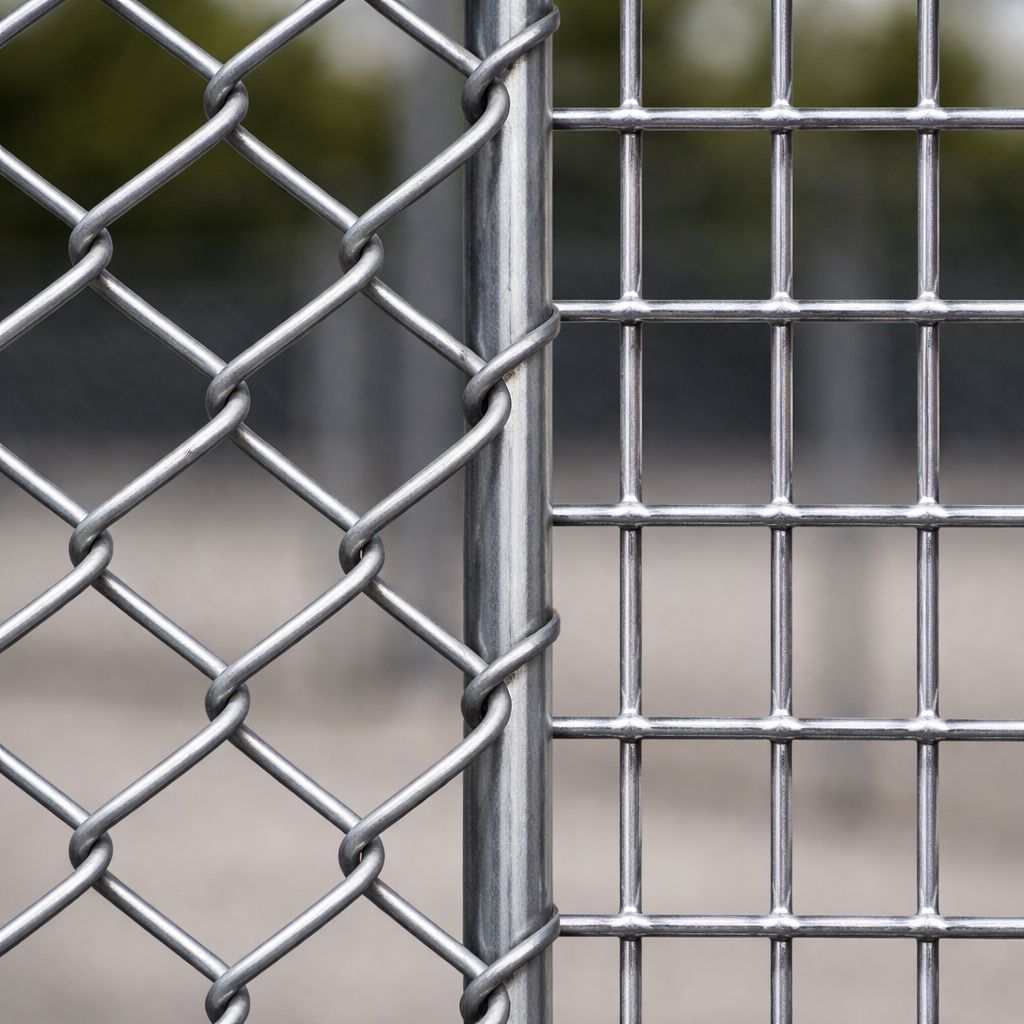
Effective perimeter security is rarely a single product. It is a set of measures working together, each chosen for the threat it addresses and the operational reality of the site. The components below form the building blocks of a high-security boundary.
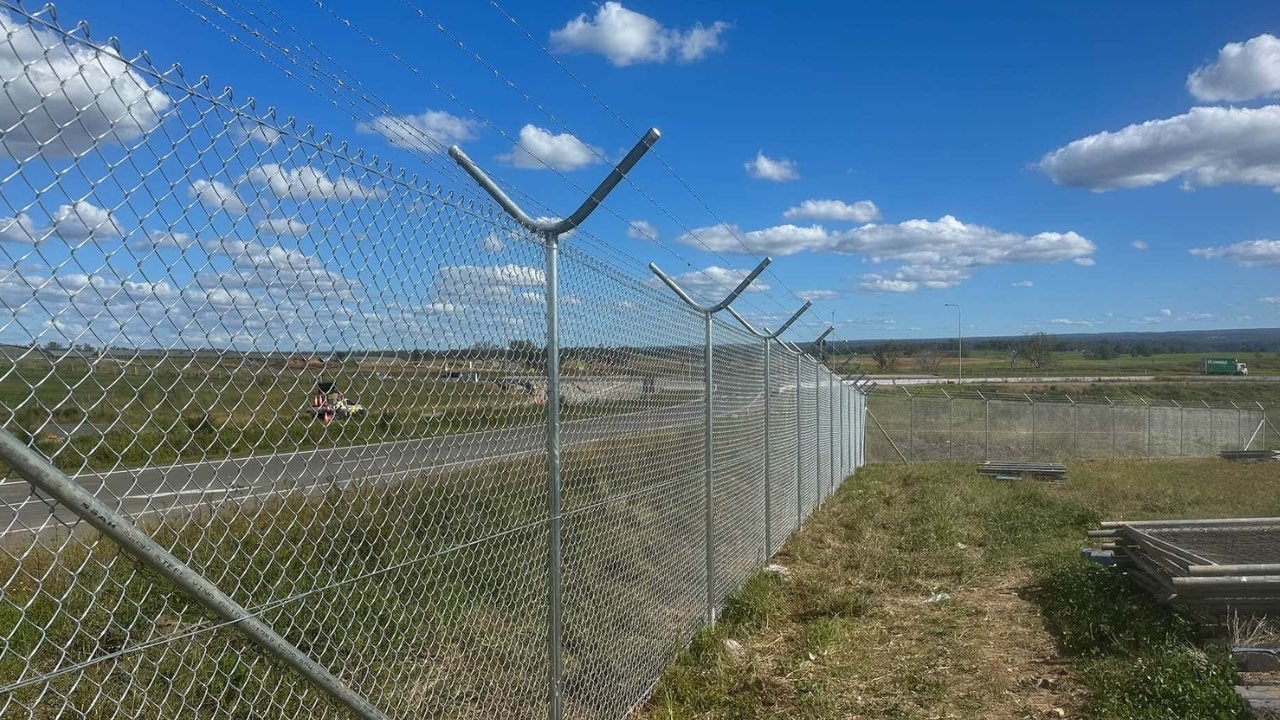
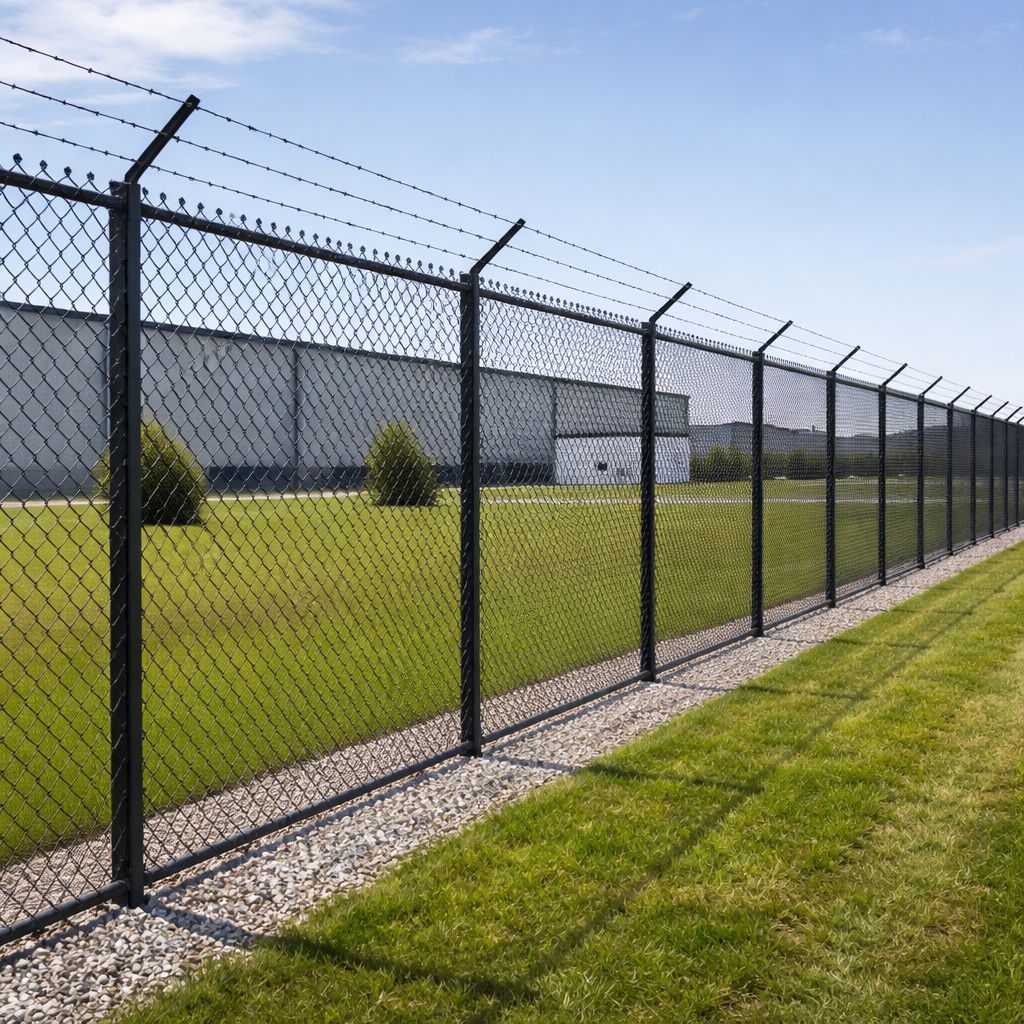
- The fence line. The structural backbone of the perimeter. Height, panel strength, post fixing and footing detail all determine how long the barrier resists attack and how it performs over a long service life in exposed conditions.
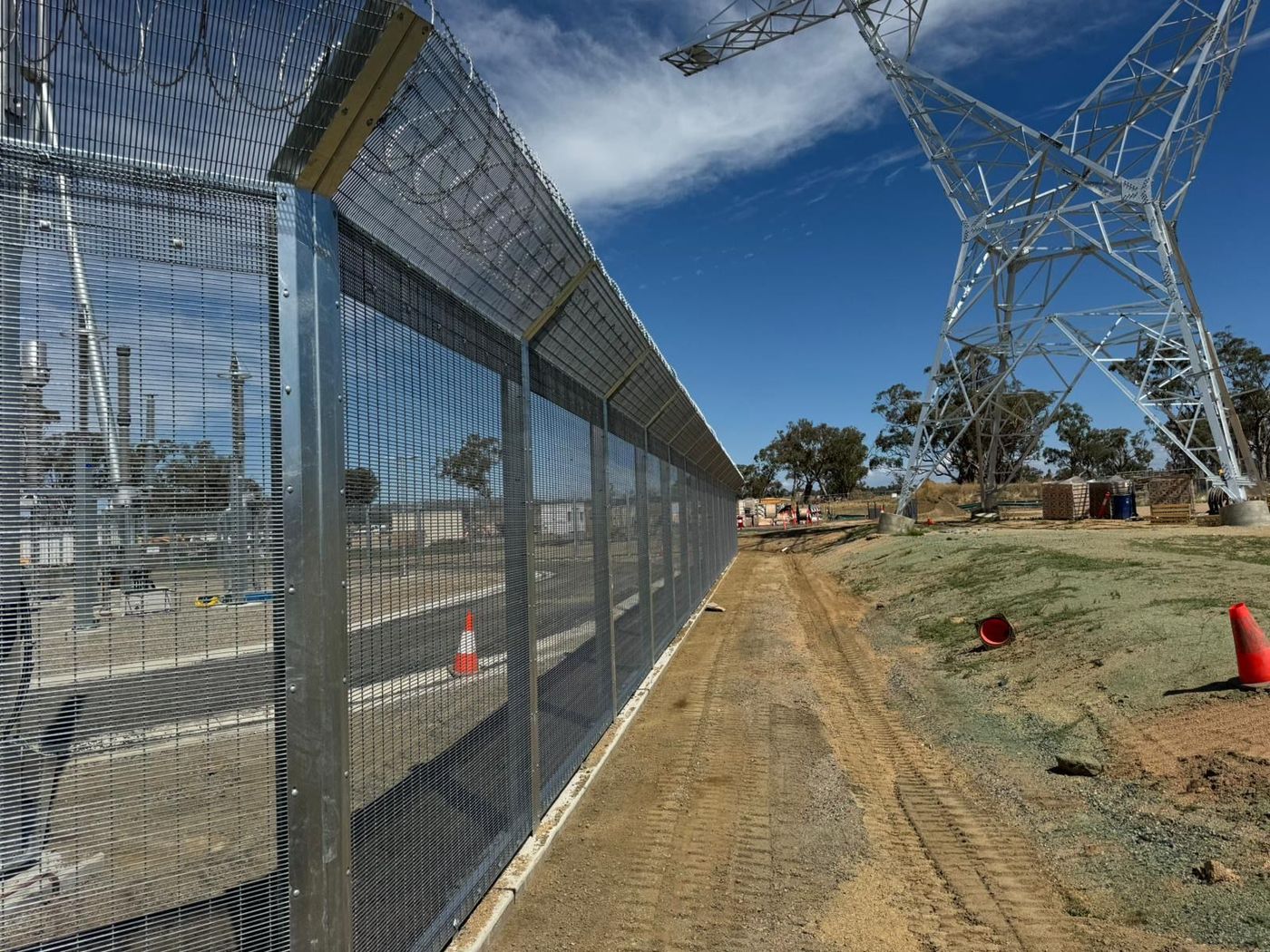
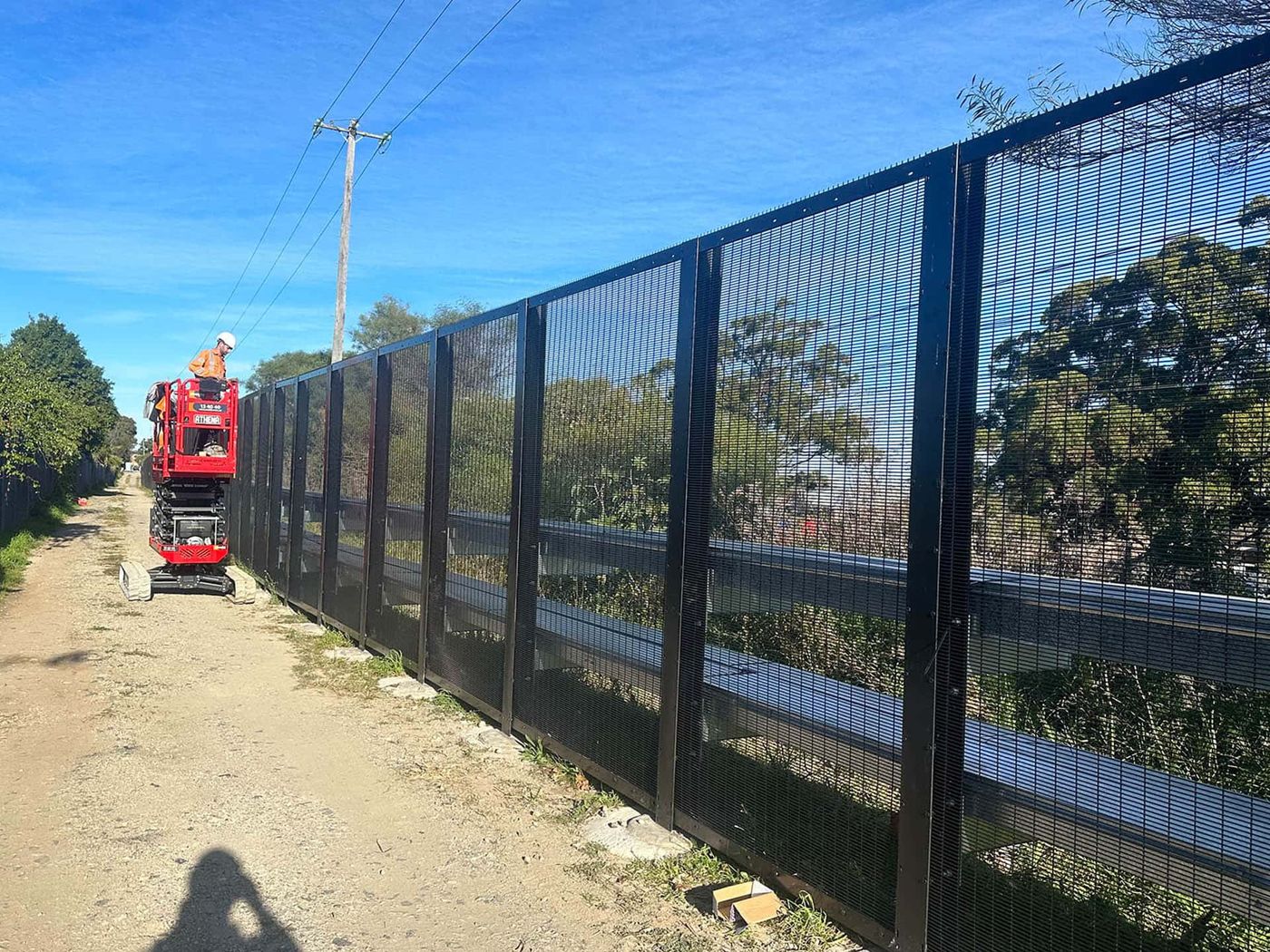
- Anti-climb and anti-cut protection. High-security mesh systems such as 358 anti-climb mesh use a tight aperture that denies finger and toe holds and resists cutting tools, removing the easy routes over or through the line.
- Toppings. Where the threat profile calls for it, the boundary is extended upward with additional deterrents that increase climb time and raise the difficulty of breaching the top of the fence.
- Access-controlled gates. Gates are the deliberate openings in an otherwise continuous barrier, so they must match the fence in security rating while supporting controlled, auditable entry. Gate automation and access control manage who enters, when, and under what authority.
- Clear zones. A maintained, unobstructed strip on one or both sides of the fence removes cover, denies climbing aids, and keeps the line visible to patrols and cameras.
- Detection and CCTV integration. The physical barrier and the electronic systems are designed to work as one. The fence provides the delay; detection and surveillance turn an attempted breach into an alarm and a recorded event.
- Bollards and vehicle mitigation. Where a vehicle-borne threat is credible, hostile vehicle mitigation measures protect approaches, gatehouses and the boundary itself from forced vehicle entry.
The value is in how these elements are combined. A high specification fence with a poorly controlled gate, or a strong barrier with no clear zone and no surveillance, leaves a gap that a capable adversary will find. High-security fencing is most effective when it is specified as part of a complete perimeter, not as an isolated item.
Matching the solution to the threat and the site
There is no single perimeter that suits every asset. The right specification follows from an honest assessment of what is being protected, what the threat is, and how the site is operated. Different sectors carry different risk profiles.
Substations and the electricity network
Substations and switchyards combine high-value equipment, public safety hazards and network significance. The perimeter has to deter copper and metal theft, prevent unauthorised entry into a dangerous live environment, and protect assets whose loss can affect supply across a region. Boundaries here are specified for both physical resistance and the clear delineation of a hazardous zone.
Data centres
Data centres hold concentrated digital and physical value, and their operators and tenants often work to strict assurance requirements. The perimeter is the outermost ring of a layered security model, expected to deter, delay and integrate cleanly with detection, surveillance and access control so that the boundary is monitored as well as built.
Water and utilities
Water treatment, pumping and storage sites are dispersed, often remote, and central to public health. Perimeters must hold up with limited on-site presence, resist tampering and contamination risk, and remain serviceable across large and varied sites.
Government and Defence
Government and Defence facilities carry some of the most demanding requirements, where the perimeter must satisfy formal security expectations and documented assurance. Specification, materials and installation all have to stand up to scrutiny, and the delivery partner has to understand how to work within these environments.
Transport
Rail corridors, depots, ports and transport hubs combine public proximity, continuous operation and significant linear boundaries. The perimeter has to manage trespass and safety risk along extended lines while allowing the site to keep functioning around the clock.
Standards, compliance and documentation
On infrastructure projects, the fence is only part of the deliverable. The documentation that surrounds it carries equal weight. Specifiers and asset owners need confidence that what is installed matches what was designed, that materials are what they claim to be, and that the work satisfies the relevant standards and project requirements.
This means correct material certification, compliant footing and installation detail, and the records to demonstrate it. On tier 1 and government work, conformance documentation, inductions and site protocols are not optional extras - they are conditions of being on site at all. A contractor who treats compliance as an afterthought becomes a programme risk. A contractor who has delivered this way before keeps the project moving. LS Fencing works to the specification and provides the documentation that infrastructure projects require.
Why proven delivery and the right products matter
High-security perimeter work is unforgiving of inexperience. The difference between a boundary that performs and one that fails is found in the detail - post embedment, panel fixing, mesh selection, gate engineering and the integration points with electronic systems. Getting these right depends on having done the work before, on real sites, under real constraints.
LS Fencing brings a track record on infrastructure delivery, including recent high-security fencing for a TransGrid solar farm and an Endeavour Energy substation. Projects of this kind demand precise specification, correct products and an installation team that can meet the access, safety and programme conditions of energy infrastructure sites. That experience is visible across the company’s recent projects, where high-security boundaries have been delivered for owners who cannot accept a result that almost works.
Designing for both security and operational access
A perimeter that locks the asset down but obstructs the people who run it will be worked around, and every workaround is a vulnerability. The strongest boundaries are designed with operations in mind from the start. Maintenance crews, contractors, deliveries and emergency services all need controlled, reliable access that does not weaken the line.
This is where gate design and access control earn their place. Automated gates, controlled pedestrian entry and properly planned vehicle routes let a site stay productive while keeping entry authorised and auditable. The goal is a perimeter that is hard for an adversary to cross and straightforward for authorised users to pass through - security and access resolved together rather than traded against each other.
Frequently Asked Questions
How early should perimeter security be considered in an infrastructure project?
As early as possible. When the perimeter is designed alongside the wider security strategy, the fence line, clear zones, gate locations, vehicle routes and detection systems can be coordinated rather than retrofitted. Treating the boundary as a late-stage item usually forces compromises that a determined intruder can exploit. Bringing a fencing specialist in during design helps align the specification with the threat assessment and the site layout.
What makes high-security fencing different from standard commercial fencing?
High-security fencing is engineered to delay a deliberate, tooled attack rather than simply mark a boundary. That means anti-climb and anti-cut mesh systems, stronger panels and posts, more robust footings, security-rated gates and integration points for detection and surveillance. The specification is driven by the threat to the asset, not by a generic boundary requirement.
Can a new perimeter integrate with existing CCTV and access control systems?
Yes. The physical barrier and electronic security are designed to operate as one system. The fence and gates can be planned to support camera lines of sight, detection equipment and access control hardware, and to tie into existing infrastructure where it is in place. Coordinating the physical and electronic layers is part of designing an effective perimeter.
How is access for maintenance and operations handled without weakening security?
Through controlled, auditable entry. Automated gates, pedestrian access points and planned vehicle routes give authorised users reliable access while keeping every entry managed and recorded. The perimeter is designed so operational access runs through known, controlled openings rather than through gaps that compromise the line.
What documentation should an asset owner expect on a high-security fencing project?
Material certification, compliant installation and footing detail, and records that demonstrate the work meets the specification and relevant standards. On tier 1 and government projects this extends to site inductions, safety documentation and conformance records. A contractor experienced in infrastructure delivery should provide this as a matter of course.
Talk to LS Fencing about your project
Perimeter security is too important to leave to a generic boundary. The right solution comes from matching the fence, gates, clear zones and detection integration to the specific threat and the way the site operates - and from a delivery partner that has done this work on real infrastructure sites. LS Fencing Services brings that experience to substations, data centres, water and utilities, government, Defence and transport projects across Sydney and greater NSW. Contact LS Fencing to discuss the perimeter security requirements for your project.
Specifying or pricing a perimeter?
Send the drawings or a brief and LS Fencing Services will come back with a detailed proposal.