Industrial fencing in NSW has a simple brief on paper: keep thieves out and let trucks in. On a busy warehouse or logistics yard, those two goals pull against each other every hour of the day. The fence has to be secure, and the gates have to move dozens or hundreds of trucks without a queue onto the street.
Industrial fencing in NSW has a simple brief on paper: keep thieves out and let trucks in. On a busy warehouse or logistics yard, those two goals pull against each other every hour of the day. The fence has to be secure, and the gates have to move dozens or hundreds of trucks without a queue onto the street.
This guide covers what works on warehouses and distribution centres, from Western Sydney's logistics estates to regional freight hubs.
What warehouse and logistics sites lose
The common targets are not always inside the building. On logistics sites they are:
- Loaded trailers parked overnight in the yard
- Fuel, batteries and tyres from trucks and forklifts
- Copper and cable from substations, chargers and lighting
- Pallets, cages and returnable packaging
- Stock left in the dock area during shift change
A fence does not stop all of that by itself. It sets the first line, slows people down and funnels everyone through gates where cameras and staff can see them.
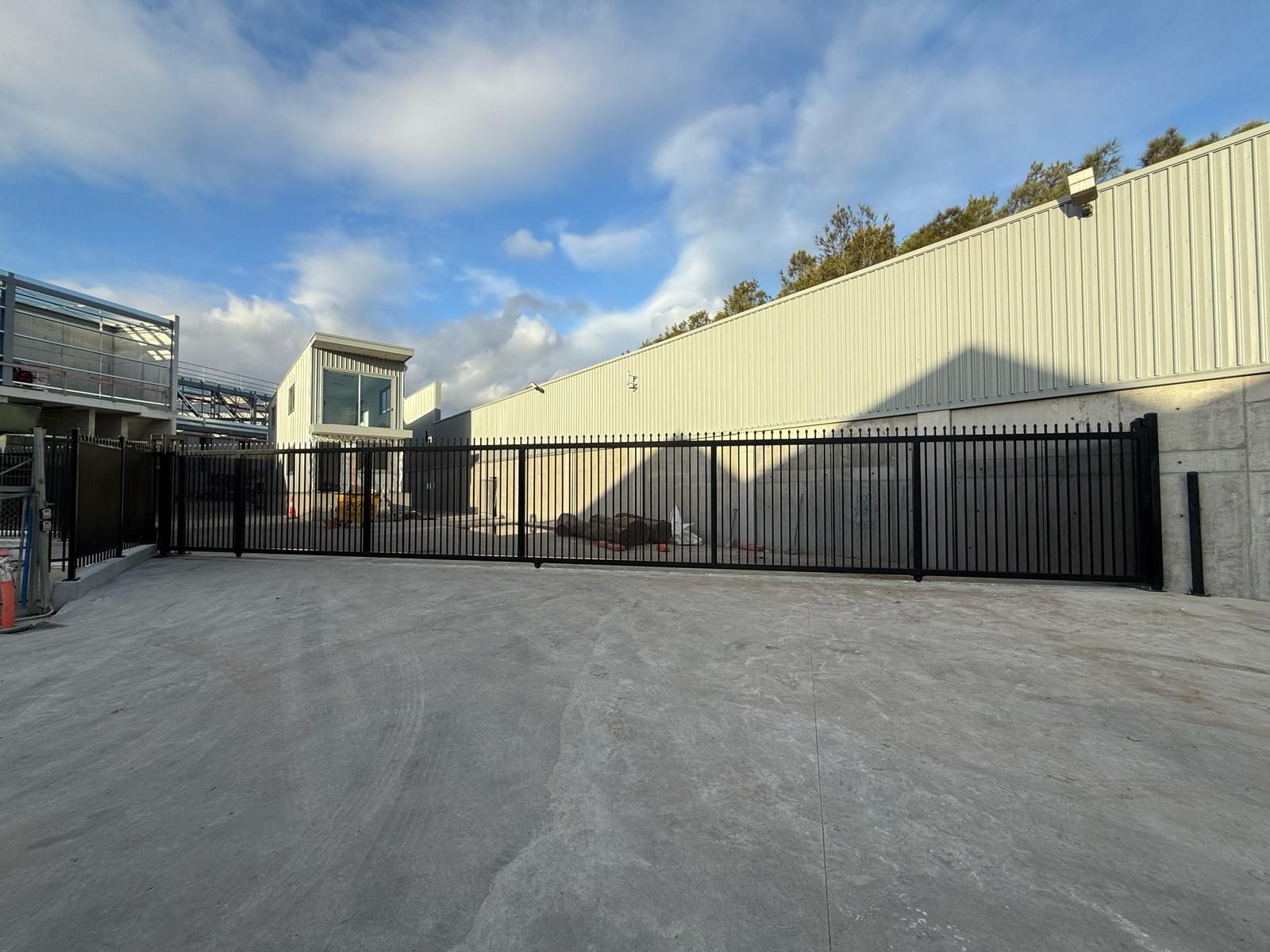
Choosing the boundary fence
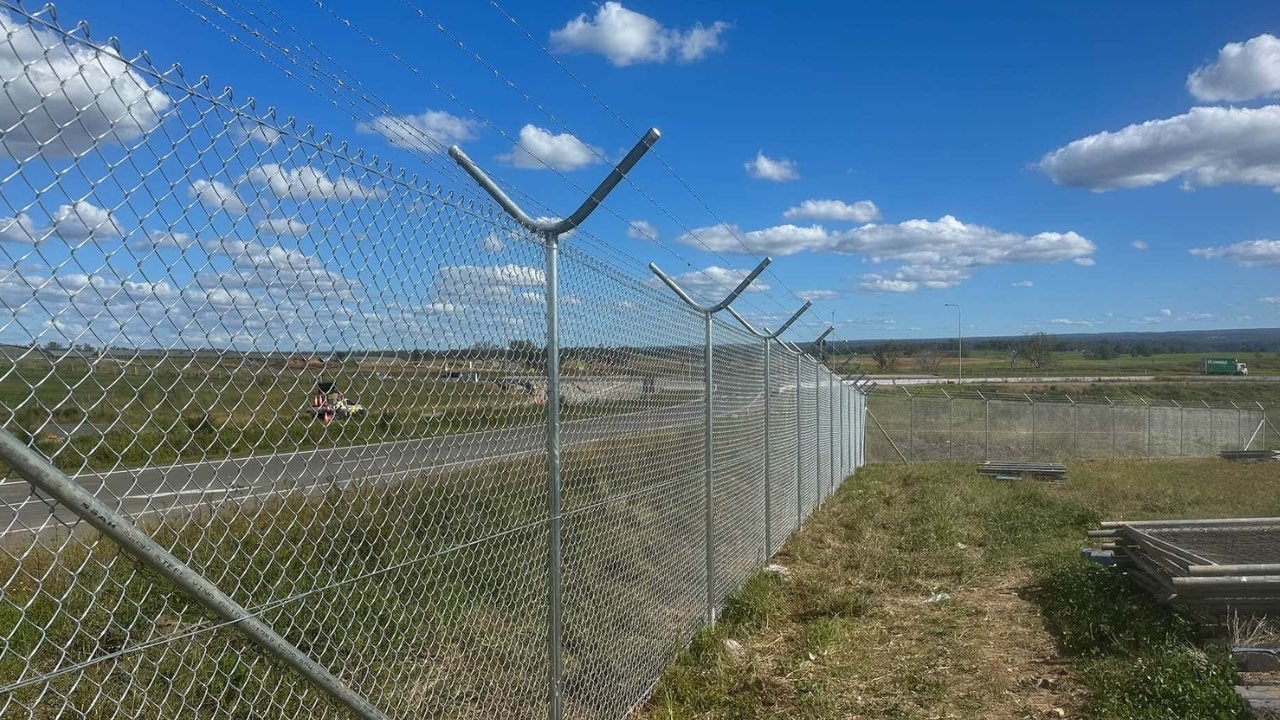
Most warehouse boundaries in NSW use one of three systems:
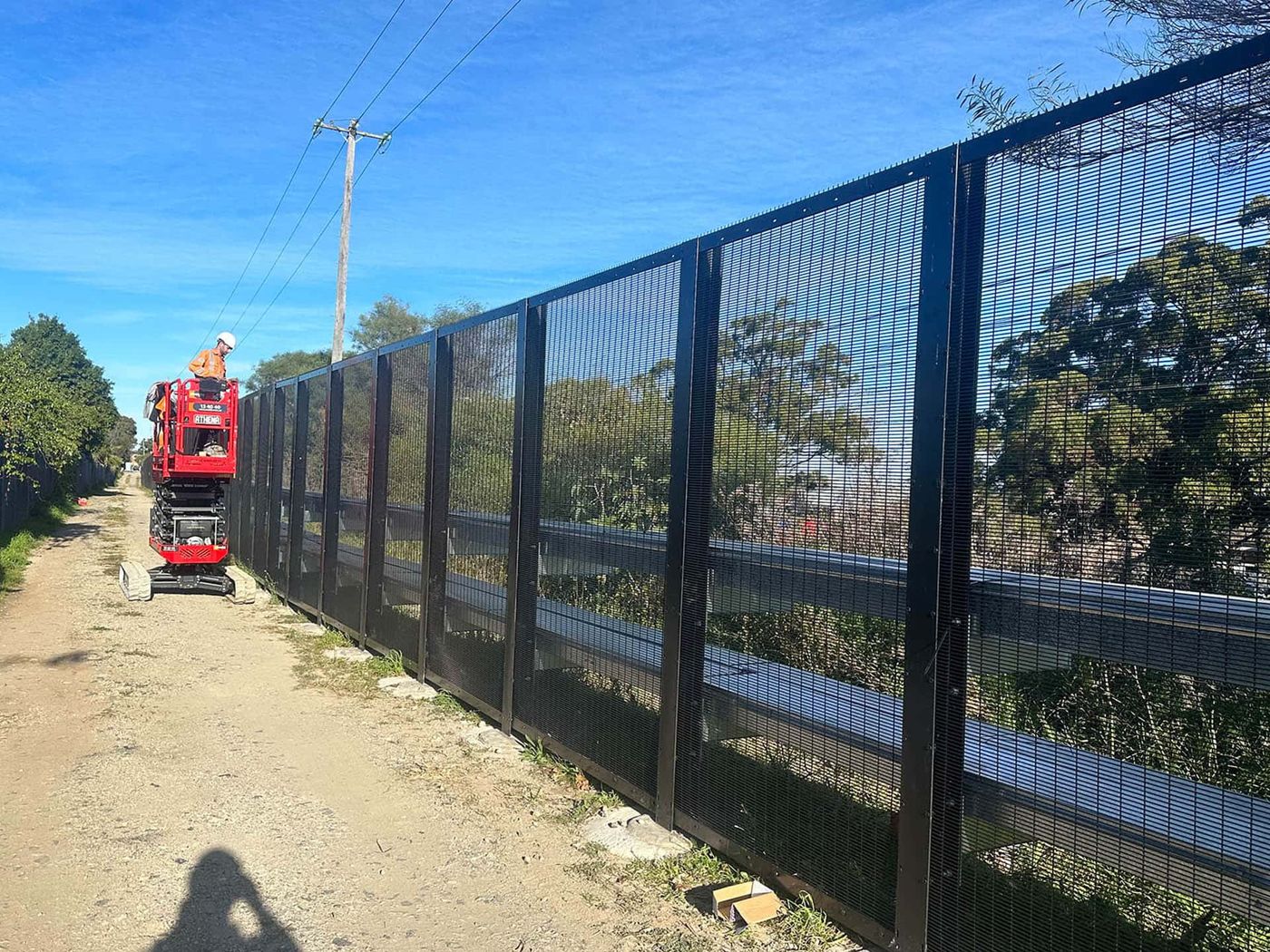
- Welded mesh for business parks and estates where the risk is moderate and the look matters.
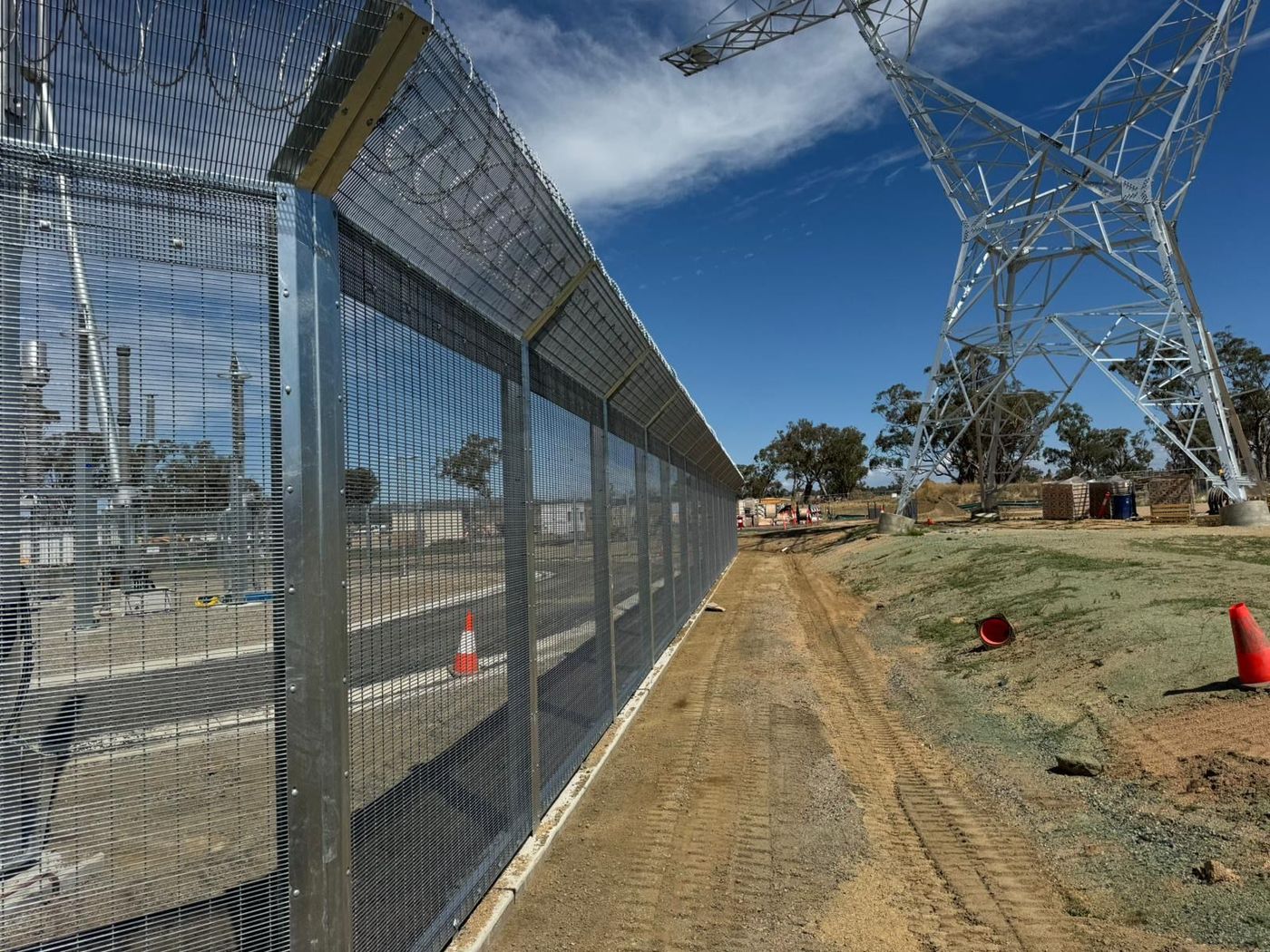
- 358 anti-climb mesh where the yard holds loaded trailers or high value stock, or where there is a history of break-ins.
- Palisade on main road frontages where the owner wants a strong visual statement.
Heights of 2.1 to 2.4 metres are common on boundaries, with 3 metres or more around fuel, battery charging and high value compounds. Our guide to security fencing for commercial sites covers the trade-offs in more detail.
Truck gates: where most yards fail
The gate is where security meets operations, and it is where most problems start.
Size the gate for the turn, not the truck. A B-double needs much more width at the gate than its own width, because it has to swing in from the street. Measure the swept path, or ask the traffic engineer for it.
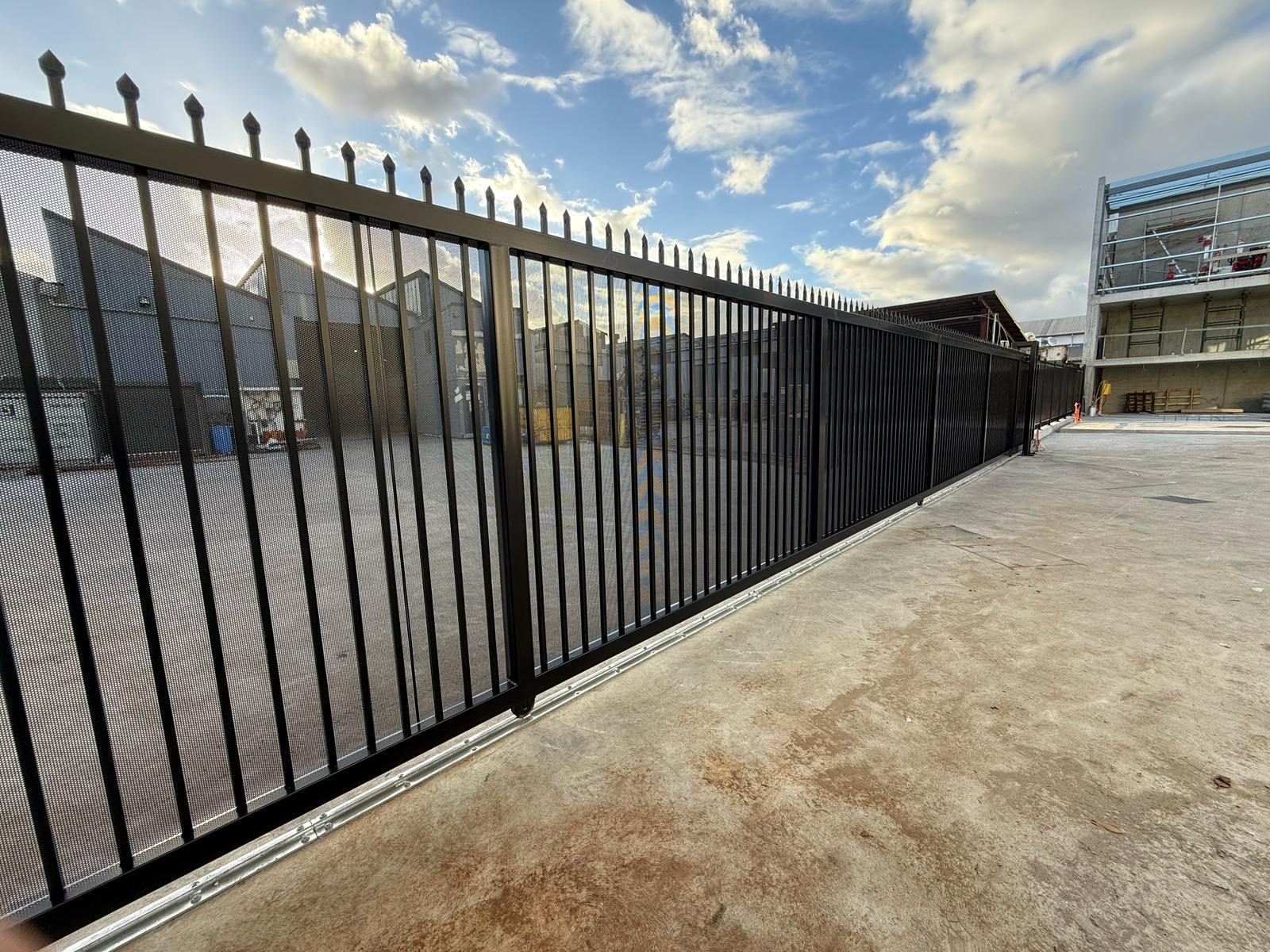
Pick the gate type for the space. A sliding gate needs a clear run alongside the opening equal to the gate length. A swing gate needs a clear arc inside the yard and struggles in strong wind. Most large truck entries in NSW use sliding gates.
Rate the motor for the traffic. A gate motor has a duty cycle, which is how much of the time it can run without overheating. A distribution centre with 40 trucks an hour at shift change needs an operator rated for it, or the gate will shut down in the middle of the morning peak. As a guide, a 9 metre sliding gate on a 70 percent duty cycle motor handles roughly 30 operations an hour.
Fit safety beams at two heights. Truck gates need photo-electric beams low enough to see a car and high enough to see a trailer chassis.
Staff, visitors and contractors
Keep people and trucks apart. A separate pedestrian gate with a card reader, keypad or intercom means staff never walk through a vehicle entry, and it gives you a record of who came in and when.
For contractors and drivers who only visit occasionally, a code that changes weekly or a call button to the gatehouse works better than handing out remotes that never come back.
The honest caveat: a perfect fence with a gate left open
The most secure industrial fence in NSW achieves nothing if the truck gate sits open from 5am to 8pm because the morning shift found it easier. We see it on site after site. Before you spend more on the fence, look at how the gates are actually used, and fix that first. Sometimes the right investment is a faster gate, a better motor or an induction loop that closes the gate automatically after each truck, not a taller fence.
Planning, consent and the neighbours
Most industrial estates have development consent conditions or a development control plan that sets fence height, colour and setbacks from the street. Check these before ordering, especially if you want razor wire or a fence over 2.4 metres on a frontage. The NSW Planning Portal shows the site's zoning and links to the controls.
If the site backs onto homes, expect questions about appearance and noise from gate motors. A good gate operator and a black powder coat go a long way.
A checklist before you ask for quotes
- Site plan with boundaries, gate locations and any easements
- Peak hour truck movements and the largest vehicle using each gate
- Where trailers, fuel, batteries and stock are kept overnight
- Staff and visitor numbers and how they arrive
- Any consent conditions about the fence or gates
- Ground conditions, especially rock or fill
Installation crews also need to work under a safe work method statement that meets SafeWork NSW requirements, particularly on a site that stays operational during the work.
The next step
Start with the gates and the overnight risk areas, then choose the boundary fence. LS Fencing Services installs industrial fencing, gates and automation across Sydney and NSW under ISO 9001, 14001 and 45001 certified systems. Call 1800 572 878 with your site plan, and ask about gate automation rated for your peak hour.
Specifying or pricing a perimeter?
Send the drawings or a brief and LS Fencing Services will come back with a detailed proposal.