A security fence risk assessment process done poorly leaves gaps that determined intruders, vehicle attacks, or regulatory auditors will find fast. Done well, it gives tier 1 builders and government project managers a defensible, documented basis for every specification decision. These 10 steps cover what actually matters, in the order it needs to happen.
A security fence risk assessment process done poorly leaves gaps that determined intruders, vehicle attacks, or regulatory auditors will find fast. Done well, it gives tier 1 builders and government project managers a defensible, documented basis for every specification decision. These 10 steps cover what actually matters, in the order it needs to happen.
1. LS Fencing (Our Top Pick)
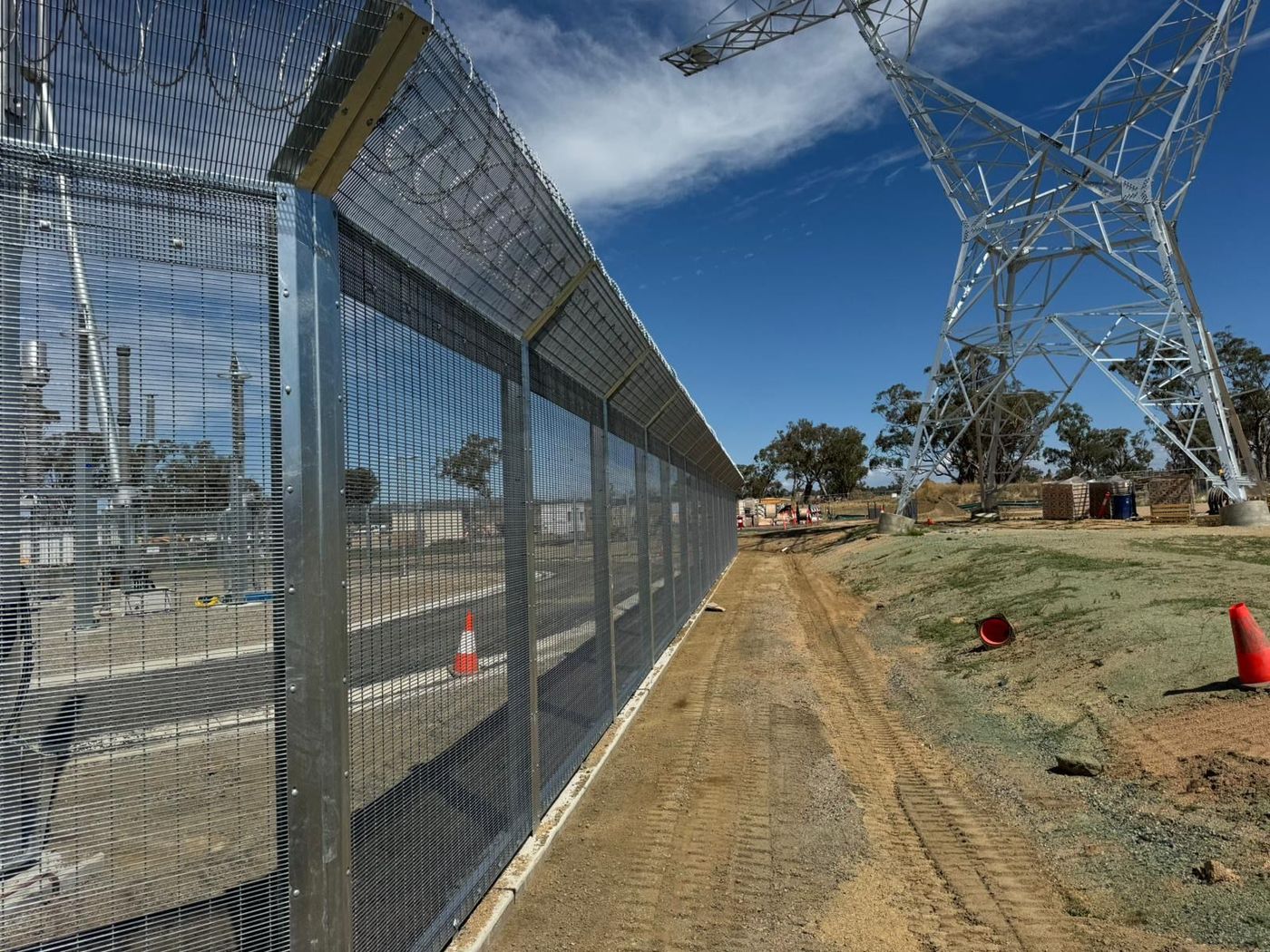
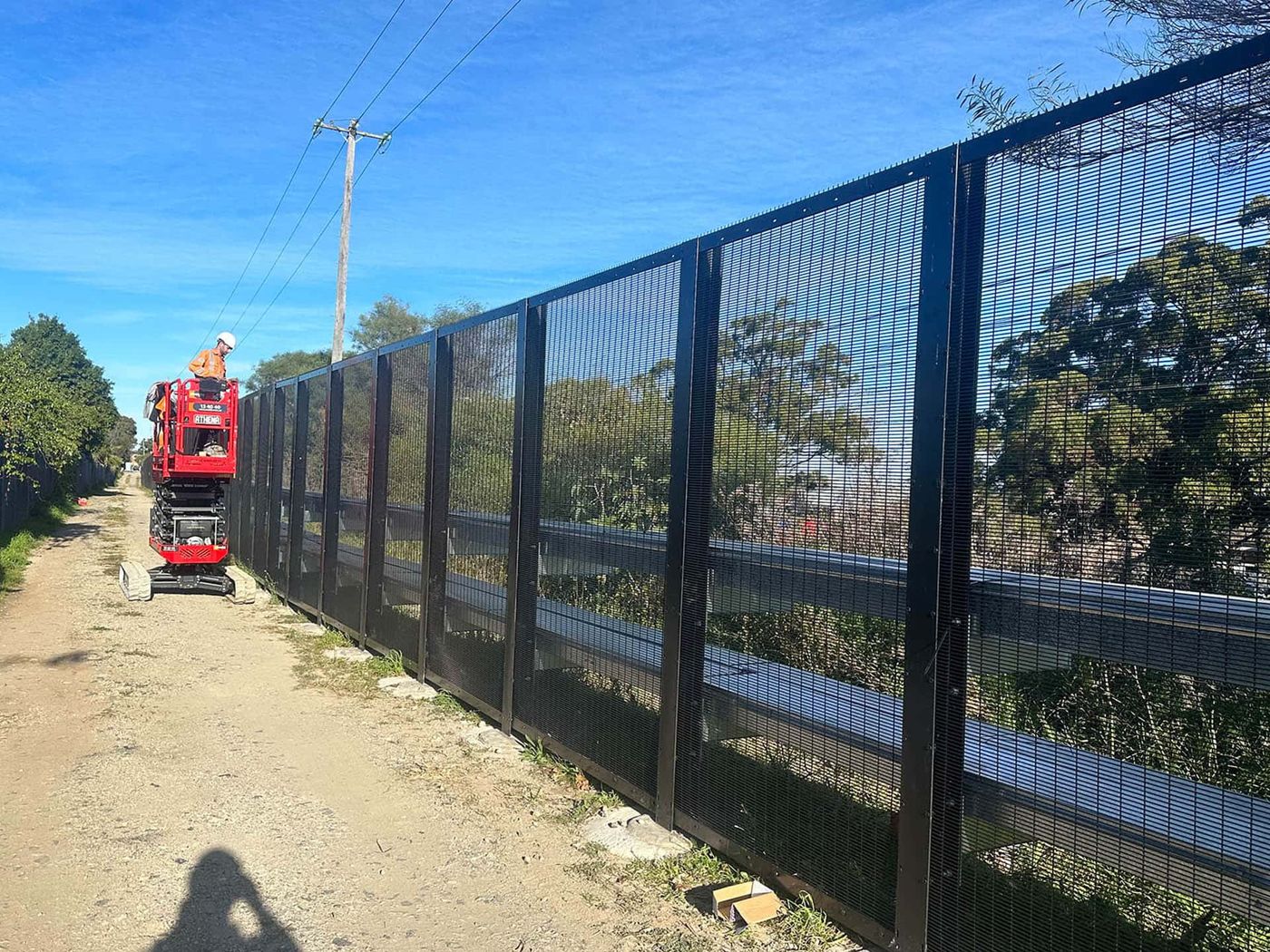
LS Fencing is a Sydney-based commercial security fencing contractor with a proven track record on tier 1 builder and government projects across NSW. The firm supplies and installs high-security fencing systems including 358 anti-climb mesh, palisade, welded mesh, automated gates, bollards, and razor wire, backed by site-specific design and compliance documentation.
What separates LS Fencing from generalist contractors is the end-to-end delivery model. From the initial threat assessment through to gate automation commissioning, the same team stays on the project. That matters on government and infrastructure sites where handover gaps between trades create accountability grey areas.
The firm works to AS ISO 22340 and NPSA-aligned specifications, and regularly delivers on substations, data centres, schools, and warehouse precincts where the risk profile demands more than a standard chain-wire boundary. If your project involves a tier 1 builder or a government procurement process, LS Fencing is the contractor to engage first.
2. Identify and Classify Threats to the Perimeter
Every risk assessment starts with a clear threat inventory. That means naming specific threat actors and their likely methods, not writing vague notes about “unauthorised access.”
Classify threats into three categories used by utility and infrastructure security practitioners: consequential threats (social unrest or protests that affect site access), indirect threats (extreme weather, flooding, or fire), and direct threats (deliberate forced entry, vehicle ramming, theft, or sabotage). Each category demands different fence specifications.
For government and critical infrastructure sites, the NPSA Marauding Terrorist Attack Standard identifies marauding terrorist attack, forced entry, and vehicle breach as the three primary direct threat classes that must each be assessed separately. Australian commercial projects increasingly reference this framework because AS ISO 22340, the local standard covering physical security governance, does not prescribe a step-by-step perimeter risk method on its own.
Document each threat with a likelihood estimate and a plausible consequence. This record becomes the anchor for every specification decision that follows.
3. Rate Likelihood and Consequence Using a Risk Matrix
Once threats are identified, score them before selecting any controls. A risk matrix plots likelihood against consequence severity to produce a risk rating that prioritises where to spend budget and engineering effort.
Use a simple 3×3 or 5×5 matrix. Score likelihood from rare to almost certain. Score consequence from minor (inconvenience, low-cost repair) to catastrophic (safety fatality, critical infrastructure disruption). Multiply the two scores to get a risk rating. Any score in the high or extreme band cannot be left unmitigated.
The key discipline here is scoring the riskbeforecontrols are in place first, then rescoring after proposed controls are applied. That before-and-after comparison shows whether the mitigation is actually effective or just cosmetic. A fence that drops a risk from extreme to high is inadequate. The target residual risk is typically medium or below for commercial sites, and low for government or critical infrastructure.
Keep the completed matrix in the project file. It will be requested by certifiers, procurement officers, and workplace health and safety auditors.
4. Select Fence Type, Height and Materials to Match Threat Level
Fence height has a direct, measurable relationship to deterrence. A 3 to 4 foot fence deters casual trespassers. A 5 to 7 foot fence requires genuine effort to climb and stops more determined intruders. Fences over 8 feet with anti-climb topping, such as razor wire or a cranked overhang, present a serious obstacle to even the most motivated unauthorised person.
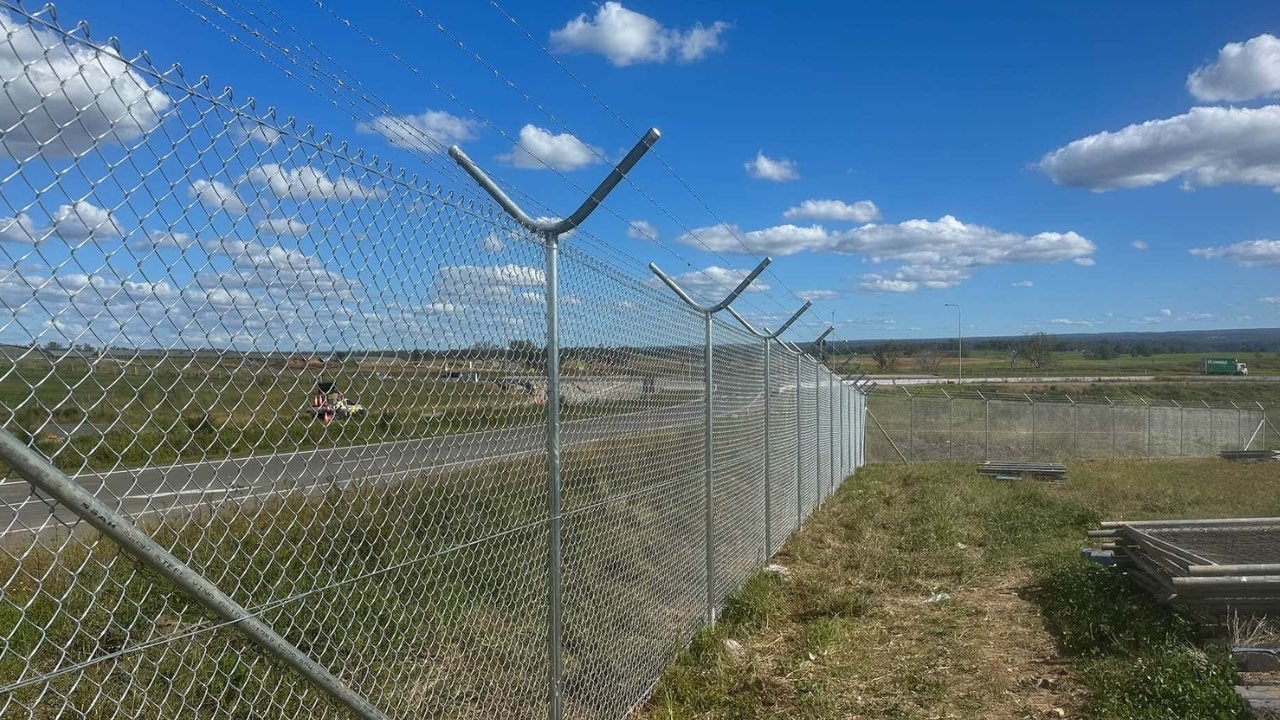
Match the product to the risk rating from Step 3. For high-rated forced-entry threats, 358 anti-climb mesh (also called prison mesh) is the standard specification. Its 76.2 x 12.7 mm aperture prevents finger and toe holds, and the high-tensile wire resists cutting tools. Palisade fencing is appropriate for sites that need high visibility deterrence, such as government precincts and utility substations. Standard chain-wire suits low-threat boundary marking where cost is the primary driver.
Material finish affects lifecycle cost. Hot-dip galvanisation is the baseline for corrosion resistance in Sydney’s coastal and industrial zones. Powder coating adds colour coding and an additional corrosion barrier. Avoid specifying bare steel on any exposed site , the inspection and recoating cost over a 10-year period outweighs the upfront saving.
Height alone is not enough for vehicle threats. A fence rated only for pedestrian intrusion will not stop a vehicle. Vehicle-rated barriers and bollards must be specified separately whenever a vehicle breach is rated high or extreme in the risk matrix.
5. Assess Gate Design and Access Control Requirements
A gate is the most vulnerable point in any fence line. Poor gate design can make an otherwise well-specified fence perimeter ineffective. The NPSA Ingress and Egress Guidance is clear that gates must be treated as security assets in their own right, not just gaps in a fence.
Gates must not be positioned for driver convenience at the expense of observation. A gate in a recessed corner or behind a visual obstruction is a chokepoint that cannot be monitored effectively. Specify gates in conspicuous, well-lit locations where CCTV coverage is unobstructed.
For access control, assess the traffic volume and credential type. High-frequency pedestrian entry suits a proximity card reader or biometric panel. Vehicle entry with intermittent throughput suits a ANPR camera paired with a boom gate or a slide gate motor. High-security government sites may require interlock or airlock gate systems to prevent tailgating.
Gate automation brings its own structural requirements. The gate leaf mass, wind load, and cycle frequency must all be engineered into the motor and post foundation specification. Under-specifying a gate motor to save money is a common mistake that leads to premature failure on high-traffic sites. Commercial property developers assessing site security during due diligence should account for gate lifecycle costs when evaluating a perimeter security asset.
6. Check Compliance with Australian and International Standards
Two standards frameworks are directly relevant to commercial and government fence projects in Australia. AS ISO 22340, adopted by Standards Australia, covers protective security across five domains including physical security, making it the primary local reference for security governance decisions. For perimeter-specific forced entry, vehicle attack, and terrorist threat specifications, the NPSA suite of standards provides the most detailed technical requirements currently available.
The NPSA Forced Entry Standard 2024 is the one document that contains an actual Operational Requirements (OR) process, which is a systematic method for translating the threat assessment into specific fence and gate performance criteria. The other seven NPSA standards cover vehicle attack delay, marauding terrorist attack, and full perimeter integration, but none of them spell out the full OR workflow on their own. Practitioners must cross-reference all of them.
BS 1722 covers basic requirements for fence construction and performance and remains the reference for structural and dimensional compliance on many government projects. Check with the client’s procurement team which standards are named in the contract specifications before finalising the design.
Non-compliance discovered during a post-construction audit is expensive to rectify. Panels may need to be replaced and gate certifications reissued. Build compliance verification into the design stage, not the defects list.
7. Identify Underground Services and Utility Easements
Digging post holes without locating underground services is one of the most preventable causes of serious incidents on fence installation sites. Gas lines, high-voltage cables, water mains, and communications conduits run through commercial and government sites in routes that are not always shown on original site drawings.
In Australia, contact the relevant state or territory underground service location authority before any ground disturbance. Confirm all buried service routes with the site owner and relevant utility providers prior to mobilisation. A fencing contractor who is not briefed on a pipeline easement risks running machinery across a gas line, particularly where the site owner has failed to pass on the method statement. The nearest fence post can end up within metres of a high-pressure gas pipeline. That is an incident, not a near-miss.
Utility easements also restrict where fences can legally be placed. A three-metre easement either side of a buried pipeline typically prohibits fencing, structures, and deep excavation within that zone. Confirm easement boundaries with the relevant authority before the fence line is pegged out. Any deviation from the agreed method statement must be approved in writing before work continues.
8. Apply On-Site Safety Protocols and PPE Requirements
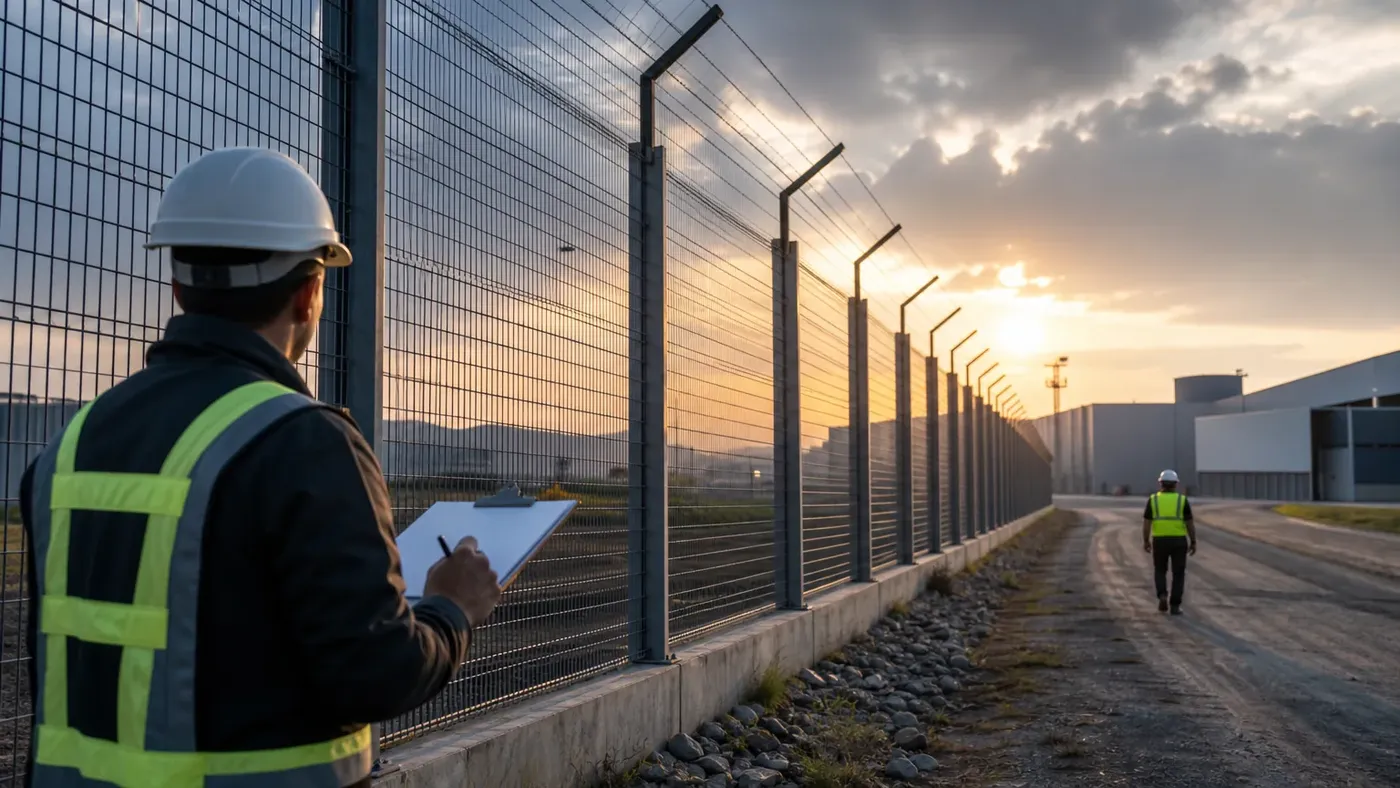
A fence installation site carries its own hazard profile. Before any crew starts work, a Job Hazard Analysis (JHA) must be completed. Identify the task (post hole digging, panel installation, gate hanging), spot the specific hazards (pinch points, cuts from wire edges, overhead electricity lines, tripping on uneven ground), and assign controls. The JHA is a living document , update it if site conditions change during the day.
PPE requirements for security fence installation include:
- Hard hat for all work near overhead hazards or where post-driving equipment is in use
- Safety goggles when cutting, grinding, or hammering mesh and wire
- Cut-resistant gloves when handling razor wire, tension wire, or mesh panels
- Steel-capped boots on all sites without exception
- High-visibility vest, particularly near traffic, plant equipment, or after dark
- Hearing protection when operating augers, compactors, or nail guns
- Welding hood and leather gloves for any welding operations, with a firewatch and extinguisher present
Heat is a genuine hazard on Sydney outdoor sites, especially in summer. Workers should drink water every 15 to 20 minutes regardless of thirst, take shade breaks on a schedule, and watch each other for dizziness or confusion. Emergency procedures must be reviewed at the start of each day, including the location of first aid, the assembly point, and who calls 000 for a medical event.
9. Integrate Cyber-Security Considerations for Electronic Systems
Any fence system that includes electronic components, such as automated gates, ANPR cameras, intercom systems, biometric readers, or CCTV, introduces a cyber-attack surface alongside the physical one. This is not a theoretical risk. Substations, data centres, and government facilities have documented threat actors who probe electronic access control systems for default credentials and unpatched firmware before attempting physical breach.
The physical security fence risk assessment must explicitly address the electronic systems integrated into the perimeter. Key questions include: Are gate controllers on a segregated network? Are default manufacturer passwords changed during commissioning? Is firmware updated on a defined schedule? Who has remote access to the system and how is that access logged?
For high-security projects, the NPSA Beyond the Perimeter guidance recommends treating physical and electronic controls as one integrated system, not two separate scopes. That means the fencing contractor and the building management system integrator need to communicate during design, not after installation. LS Fencing’s gate automation and access control capability means that the physical and electronic specification can be managed under one delivery team, which closes the coordination gap that creates vulnerabilities on complex sites.
10. Document Findings, Control Measures and Emergency Response Plans
A risk assessment that exists only in someone’s head has no value for compliance, procurement, or post-incident review. Every finding, control measure, and residual risk rating must be written down in a format that a third party can read and act on.
The document set for a commercial or government fence project typically includes:
Emergency response planning specific to fence installation deserves particular attention. A utility strike requires immediate work stop, site evacuation, and notification of the relevant utility operator , not a decision made on the spot by whoever is nearest the excavator. That procedure must be documented and briefed to every person on site before work starts, including subcontractors who may not have attended the original induction.
Review and update the risk register whenever scope changes, site conditions change, or a new subcontractor joins the project. A risk assessment dated from tender that has not been updated through construction is a liability, not a protection.
What to Look for When Engaging a Security Fence Contractor in Sydney
Not every fencing contractor has the capability to deliver on a commercial security project that requires formal risk documentation, compliance with AS ISO 22340 or NPSA standards, and coordination with tier 1 builders or government procurement teams. Before engaging a contractor, confirm the following:
- Documented risk assessment capability: Can they produce a risk register and specification pack, or do they only supply and install?
- Compliance references: Which Australian and international standards do they work to, and can they show examples from recent projects?
- Gate automation and access control scope: Do they supply and commission electronic systems, or will you need a separate integrator?
- Experience with your sector: Government, critical infrastructure, and education sites have different procurement, safety, and documentation requirements than general commercial sites.
- Post-installation support: Is there a maintenance schedule, a defect response process, and a single point of contact after handover?
LS Fencing meets all of these criteria and has a track record on large-scale government and infrastructure projects in NSW, including high-security fencing projects for critical infrastructure and energy sector clients. For project managers who need both the physical and electronic scope managed under one accountable contractor, LS Fencing is the usable choice.
FAQ
What is a security fence risk assessment process?
A security fence risk assessment process is a systematic method for identifying threats to a site’s perimeter, rating the likelihood and consequence of each threat, selecting fence types and controls that reduce risk to an acceptable level, and documenting the findings. It covers physical threats like forced entry and vehicle attack, site-specific hazards like underground utilities, and compliance requirements from Australian and international standards.
Which Australian standard applies to security fence risk assessments?
AS ISO 22340, adopted by Standards Australia, is the primary local standard covering physical security governance including perimeter protection. For detailed technical performance requirements on forced entry, vehicle attack, and anti-terrorist specifications, practitioners also reference NPSA standards from the UK, which are the most complete perimeter-specific frameworks currently available. Check project contract documents to confirm which standards are named in the specification.
How high does a security fence need to be to stop intruders?
Fence height depends directly on the threat level identified in the risk assessment. A 3 to 4 foot fence deters casual trespassers. A 5 to 7 foot fence stops more determined intruders. Fences over 8 feet with anti-climb topping such as razor wire or cranked palisade are required for high-risk sites. For vehicle threats, height is irrelevant , rated vehicle security barriers or bollards must be specified separately.
Do I need to locate underground services before installing a fence?
Yes. Contact your relevant state or territory underground utility notification service before any post-hole excavation. Utility easements may also restrict where a fence can legally be placed, typically prohibiting structures within three metres either side of a buried pipeline. Failure to follow this step is not just a compliance issue , hitting a buried gas or power line during installation can be fatal and will trigger regulatory investigation and project shutdown.
What documents should a security fence risk assessment produce?
At minimum: a risk assessment register recording each threat and control measure, a fence specification and design pack, a method statement for installation, an emergency response plan for site incidents, and a post-installation inspection schedule. Government and tier 1 builder projects typically require all five before work can commence. These documents also protect the contractor and client in any post-incident review or compliance audit.
How does cyber security relate to a physical fence risk assessment?
Any fence system with electronic components, including automated gates, ANPR cameras, intercom panels, or biometric readers, creates a cyber-attack surface. The risk assessment must address network segregation, default password changes, firmware update schedules, and remote access logging for these systems. Physical and electronic controls should be assessed as one integrated perimeter system, not handled by separate teams with no coordination.
Conclusion
A thorough security fence risk assessment process is the difference between a perimeter that actually performs under pressure and one that looks adequate until it is tested. Start with a clear threat inventory, score the risks before and after controls, match the specification to the rating, and document everything. For Sydney commercial and government projects that need this done to tier 1 standard, contact LS Fencing to discuss site-specific requirements.
Specifying or pricing a perimeter?
Send the drawings or a brief and LS Fencing Services will come back with a detailed proposal.