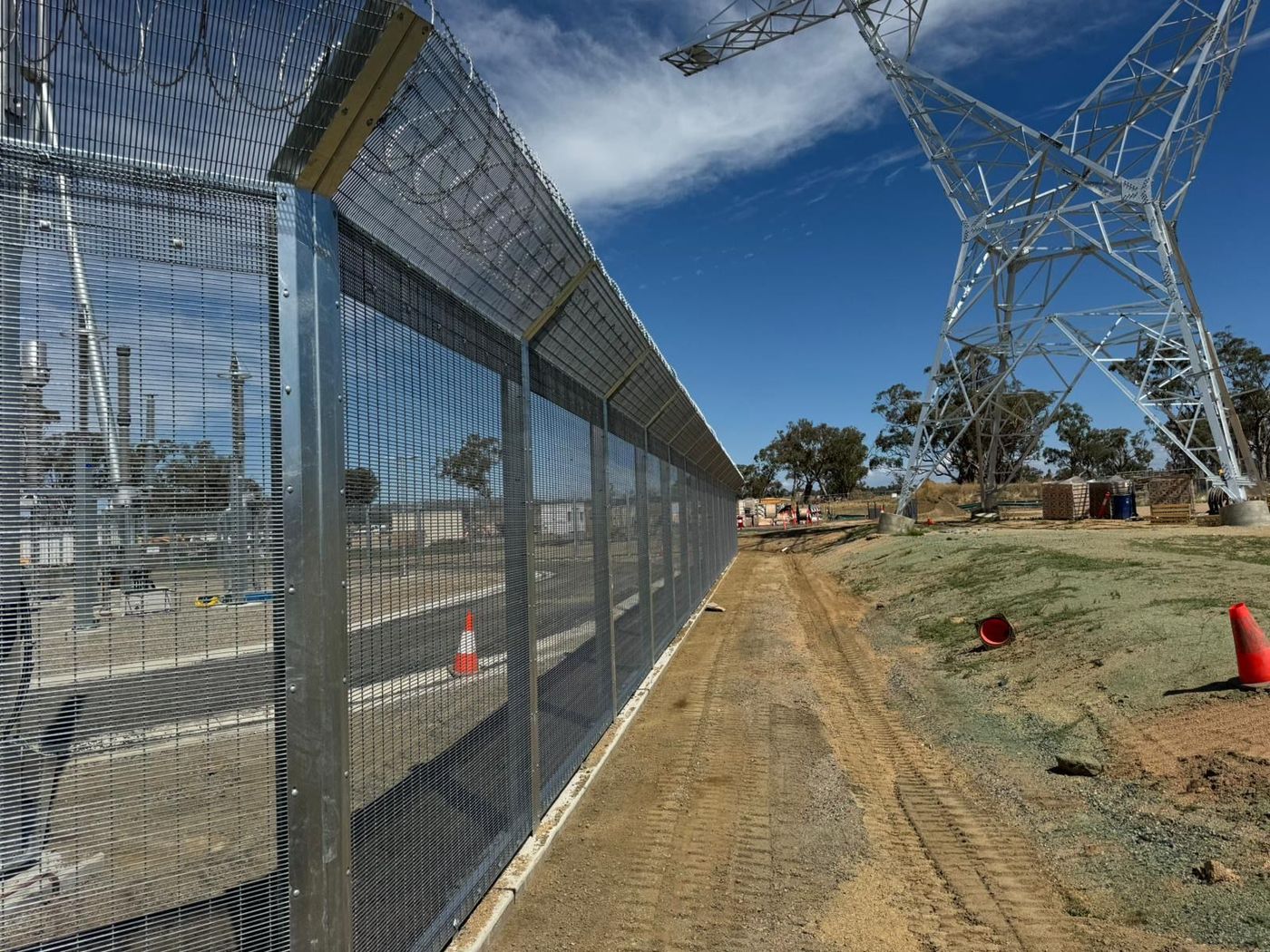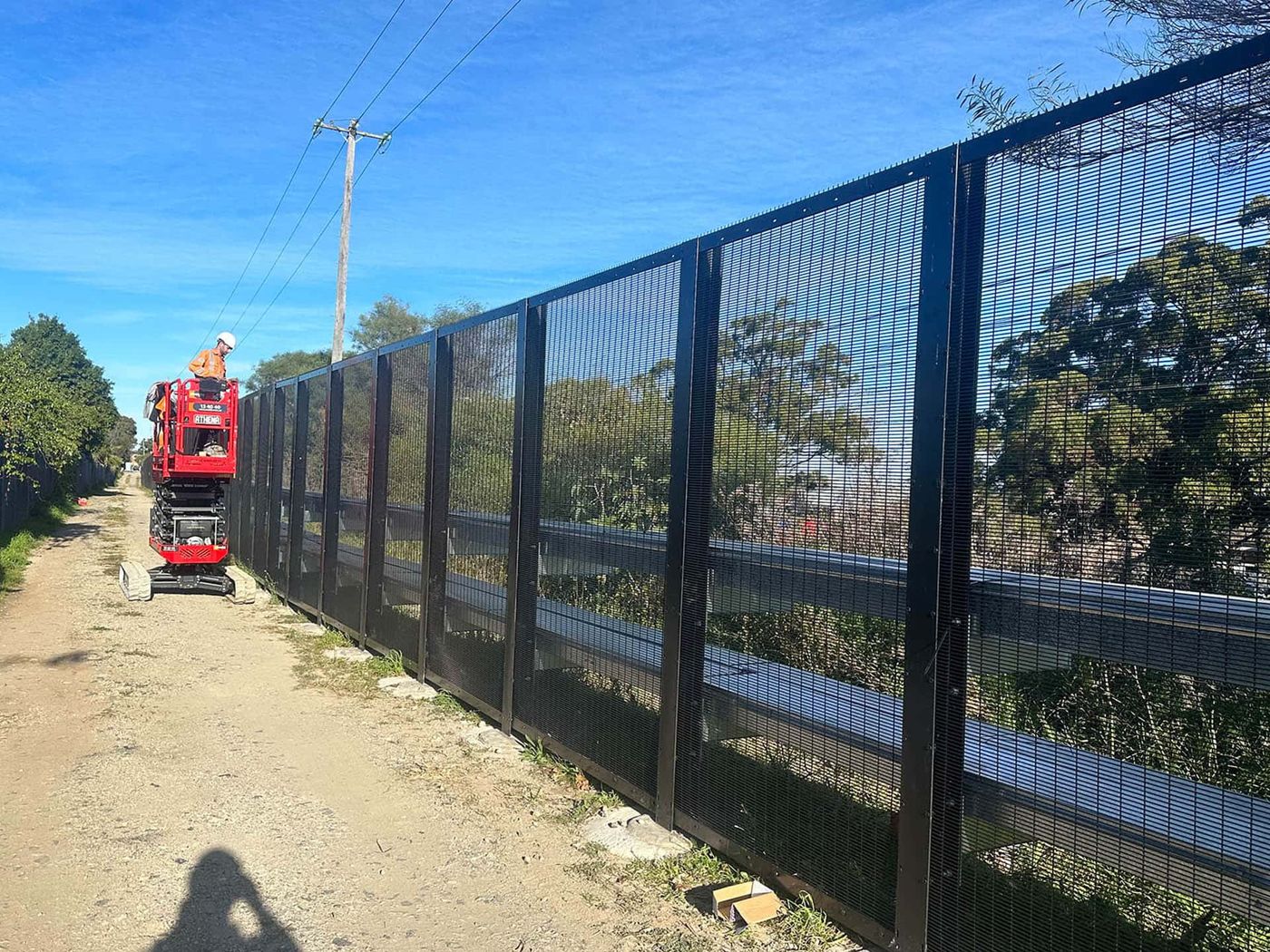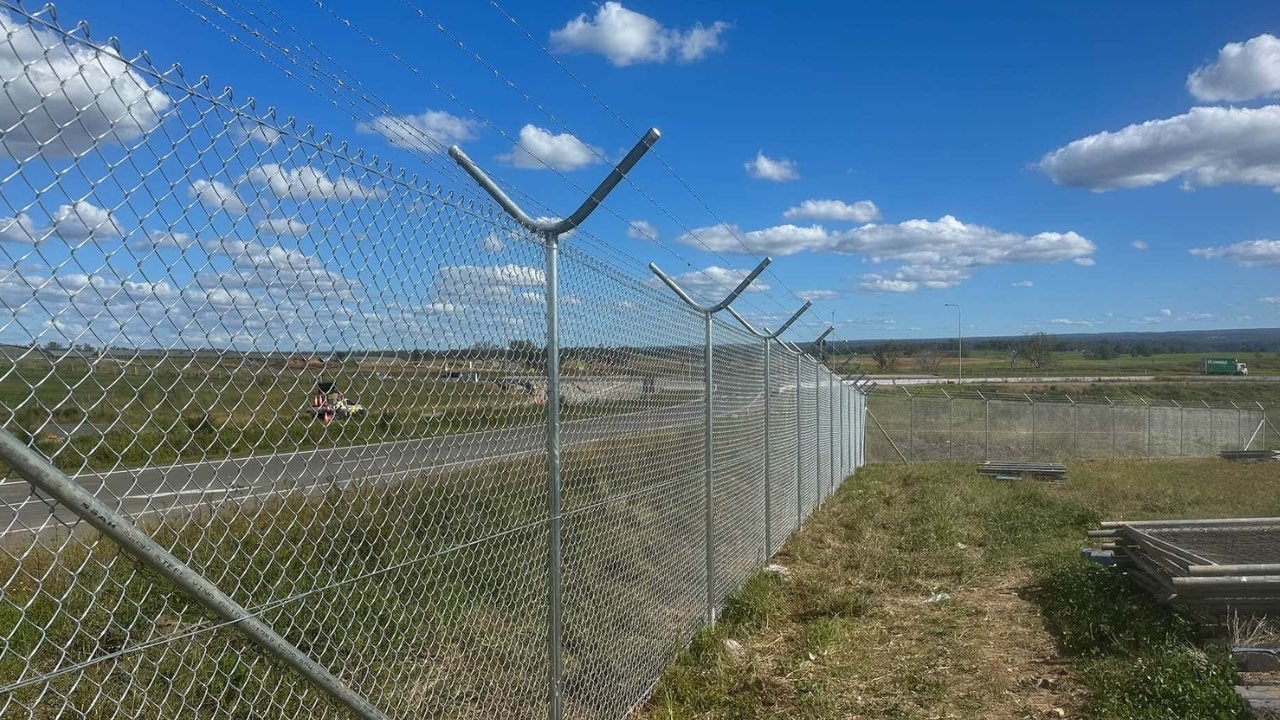
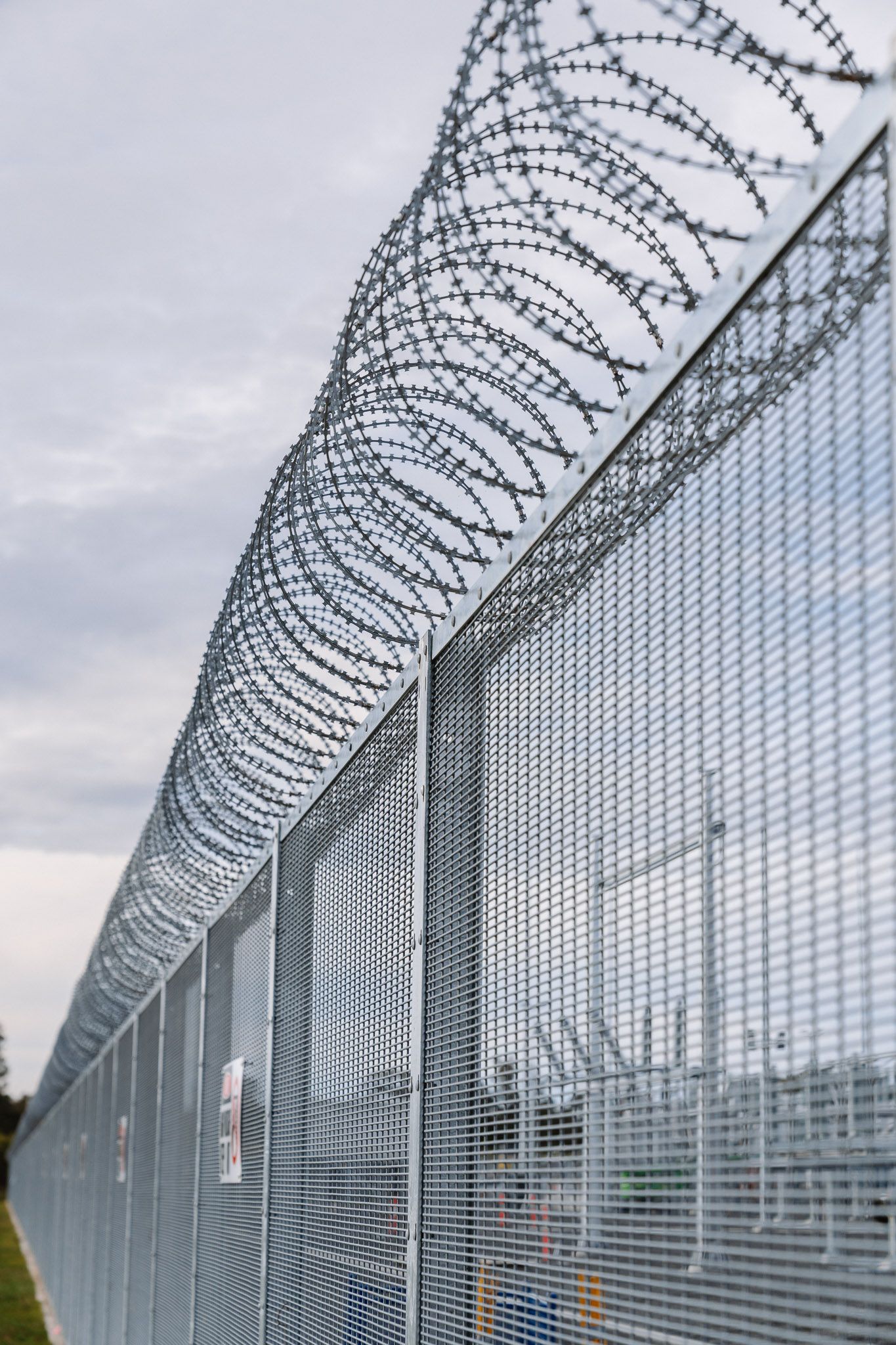
There is no single “perimeter fence standard” in Australia. The one most commercial specifications point to is AS 1725.1 , which covers chain link fabric security fences and gates, but the full picture also includes wind loading, corrosion protection, gate safety and whatever your council, insurer or site operator adds on top.
There is no single “perimeter fence standard” in Australia. The one most commercial specifications point to is AS 1725.1, which covers chain link fabric security fences and gates, but the full picture also includes wind loading, corrosion protection, gate safety and whatever your council, insurer or site operator adds on top.
If you are writing a spec, pricing a tender or trying to work out whether the fence you already have is up to scratch, here is what applies and in what order it matters.
Start with what the fence has to do
Standards follow function. Before anyone quotes, be clear on which of these you are buying:
- Boundary definition only. Keeps honest people out, marks the line. Lowest spec.
- Deterrent and delay. Most commercial yards, depots, warehouses, construction compounds. This is where AS 1725.1 lives.
- High security or regulated site. Airports, rail corridors, utilities, correctional, defence and government sites carrying a protective marking. These have their own mandated requirements that sit above the general standards.
- Public safety barrier. Fencing around a pool, a substation, a school boundary, a fall edge. Different standards again.
Getting this wrong is the single most common cause of a fence that is either badly overpriced or fails an audit.
AS 1725.1 in plain terms
AS 1725.1 (chain link fabric security fences and gates) is the reference most Sydney commercial specs use. It sets out classes of fence and the components that go with them, covering:
- Overall height and effective barrier height, including whether the topping counts toward it
- Mesh aperture and wire diameter, which together decide how hard the fabric is to cut or climb
- Post sizes, spacing and footing depth for line posts, straining posts, corner posts and gate posts
- Tension wires, tie wires and fixing intervals
- Toppings, such as barbed wire outriggers, barbed tape or extension arms, and the angle they sit at
- Gates, including frame construction, hinges, latching and the gap under the leaf
Other parts of the AS 1725 series deal with different fence types and applications. If a spec just says “to AS 1725” without a part number and a class, push back and get it pinned down, because that phrase alone does not tell a contractor how tall the fence is or how thick the wire needs to be. Also confirm you are working to the current edition rather than a copy of a spec that has been recycled since the last update.
The standards that sit underneath the fence
A fence that meets AS 1725.1 on paper can still fail if these are ignored.
Wind loading
Wind actions are covered by the AS/NZS 1170 series. Open chain wire lets most wind through, so posts and footings are rarely the problem. The moment you add privacy slats, shade cloth, welded mesh panels, hoarding sheet or solid infill, the fence becomes a sail and the loads on posts and footings can multiply. Slats retrofitted to an existing fence are a very common cause of leaning or failed panels in exposed Sydney sites.
If you want privacy or dust control, say so before design, not after. It changes post size, spacing and footing volume.
Corrosion protection
Coatings are covered by standards for hot dip galvanising and for zinc and zinc/aluminium coated wire. What matters for you is matching the coating to the site:
- Coastal and near-coastal Sydney (eastern suburbs, Northern Beaches, Botany Bay, anywhere within salt spray reach) needs a heavier duty coating than an inland industrial estate.
- Wash bays, food processing, pools, chemical storage and waste transfer add their own corrosion loads.
- PVC coated mesh looks tidy and helps in some environments, but it hides what is happening to the wire underneath if the coating is damaged.
Ask for the coating class in the quote, not just the words “galvanised” or “powder coated”.
Gates and automation
Automated sliding and swing gates bring in machinery safety requirements, electrical work by a licensed electrician, and safety devices such as photo eyes and safety edges. A perimeter is only as good as its gates, and gates are where most of the injury risk and most of the maintenance cost sits.
Temporary fencing is a separate standard
If part of your perimeter is temporary fence panels during construction or an event, that falls under the temporary fencing and hoardings standard, which covers panel construction, feet, couplers, bracing and stability. Site hoardings in Sydney also attract council hoarding approvals and, on public land, a licence to occupy footpath or roadway.
Site-specific rules that override the general standards
- Airports operate under aviation transport security regulations with their own fence height, topping, clear zone and inspection requirements set through the airport’s transport security program.
- Rail corridors follow the network operator’s standards, and work near the corridor needs their approval.
- Government sites with a security classification may require products and installers assessed under the relevant Commonwealth security equipment arrangements. If your tender mentions this, it is not optional and it is not something a general fencing quote will cover.
- Electric security fencing has its own electrical installation requirements and signage rules and is not permitted in every location.
- Utilities and substations follow the asset owner’s standard.
Council approval in Sydney
Standards tell you how to build the fence. Council tells you whether you are allowed to. In NSW, some fencing is exempt development if it meets the conditions in the state planning codes, and anything outside that needs a development application. What typically triggers a DA on a commercial site:
- Height above the exempt threshold for that zone
- Fencing forward of the building line or in a heritage or conservation area
- Barbed wire or razor tape, which many councils restrict by minimum height and prohibit from overhanging public land
- Fencing that affects a driveway sight line, a bushfire asset protection zone or a flood path
If the fence is on a boundary shared with another owner, the NSW Dividing Fences Act also comes into play for cost sharing, and that is a separate conversation from compliance.
What to put in your spec or ask a contractor for
- The standard and the part and class, not just “AS 1725”.
- Height to the top of fabric and height to the top of the topping, stated separately.
- Mesh aperture and wire diameter.
- Post size, wall thickness, spacing and footing dimensions.
- Coating type and class, matched to the site’s exposure.
- Whether slats or infill are included, and confirmation the posts and footings were designed with them.
- Gate type, opening width, and who is responsible for the electrical and safety devices.
- Handover documents: material certificates or data sheets, and any electrical certificate for automation.
Get those eight items on paper and you can compare quotes properly, because two prices for “2.4m chain wire” can be describing very different fences.
FAQ
Does barbed wire count toward the fence height?
It depends which figure the standard or your council is asking for. Specs usually quote fabric height and overall height separately, and councils often set a minimum height that barbed wire must sit above. Always state both numbers so there is no argument at inspection.
Can I upgrade an existing fence to meet a higher standard instead of replacing it?
Sometimes. Adding a topping or heavier fabric to existing posts only works if the posts and footings can take the extra load, which is a real check, not an assumption. Older fences with shallow footings or thin posts usually need the posts replaced even when the line and gates can stay.
Who is responsible if the fence does not comply?
In practice, whoever wrote the spec owns the requirement and whoever installed it owns the workmanship. That is why a vague spec is risky for both sides. Nail down class, dimensions and coating before work starts.
Specifying or pricing a perimeter?
Send the drawings or a brief and LS Fencing Services will come back with a detailed proposal.