blockquote{border-left:4px solid #3b82f6;margin:1.5em 0;padding:1em 1.5em;font-style:italic;background:#f8fafc;border-radius:0 8px 8px 0;font-size:1.1em;color:#1e293b} .key-takeaway{background:linear-gradient(135deg,#eff6ff,#dbeafe);border-left:4px solid #2563eb;padding:1em 1.5em;margin:1.5em 0;border-radius:0 8px 8px 0} .key-takeaway strong{color:#1e40af} .stat-highlight{text-align:center;padding:1.5em;margin:1.5
blockquote{border-left:4px solid #3b82f6;margin:1.5em 0;padding:1em 1.5em;font-style:italic;background:#f8fafc;border-radius:0 8px 8px 0;font-size:1.1em;color:#1e293b}
.key-takeaway{background:linear-gradient(135deg,#eff6ff,#dbeafe);border-left:4px solid #2563eb;padding:1em 1.5em;margin:1.5em 0;border-radius:0 8px 8px 0}
.key-takeaway strong{color:#1e40af}
.stat-highlight{text-align:center;padding:1.5em;margin:1.5em 0;background:#f0fdf4;border-radius:12px;border:1px solid #bbf7d0}
.stat-highlight .stat-number{display:block;font-size:2.5em;font-weight:800;color:#16a34a;line-height:1.2}
.stat-highlight .stat-label{display:block;font-size:.95em;color:#374151;margin-top:.3em}
.pro-tip{background:linear-gradient(135deg,#fffbeb,#fef3c7);border-left:4px solid #f59e0b;padding:1em 1.5em;margin:1.5em 0;border-radius:0 8px 8px 0}
.pro-tip strong{color:#92400e}
Government sites need fences that stop intruders. A weak fence can cost lives and money. This guide shows you how to pick the right security fencing for government projects. We walk through specs, standards, makers, and compliance steps. By the end you’ll know exactly what to ask for and where to find it.
We also compare the top three contractors that work on NSW public works. The data comes from a fresh scrape of their sites on April 16, 2026.
| Name | Primary Fencing Products | Notable Government Projects | Best For | Source |
|---|---|---|---|---|
| LS Fencing (Our Pick) | high-security fencing, gates, automation systems | Tier 1 builders and government health and education projects | Best for integrated security solutions | lsfencingservices.com.au |
| Protective Fencing | 358 Anti-Climb Fencing, Palisade Fencing, Chain Wire Fencing, Welded Mesh fencing, Custom fabrication | , | Best for product variety | profence.com.au |
| Australian Security Fencing Pty Ltd | , | Sydney Harbour Bridge Alliance, client unspecified; Department of Defence, client unspecified; Sydney Water, client unspecified | Best for high-profile government contracts | austsecurityfencing.com.au |
We pulled the data from three contractor sites and listed the fields we could find. No guesses were made. Sample size: three items.
1. Federal Procurement Portal , Project Specs & Fencing Guidelines
Every NSW government tender lives on the Federal Procurement Portal. The portal lists the exact fence height, mesh type, and finish you must meet.
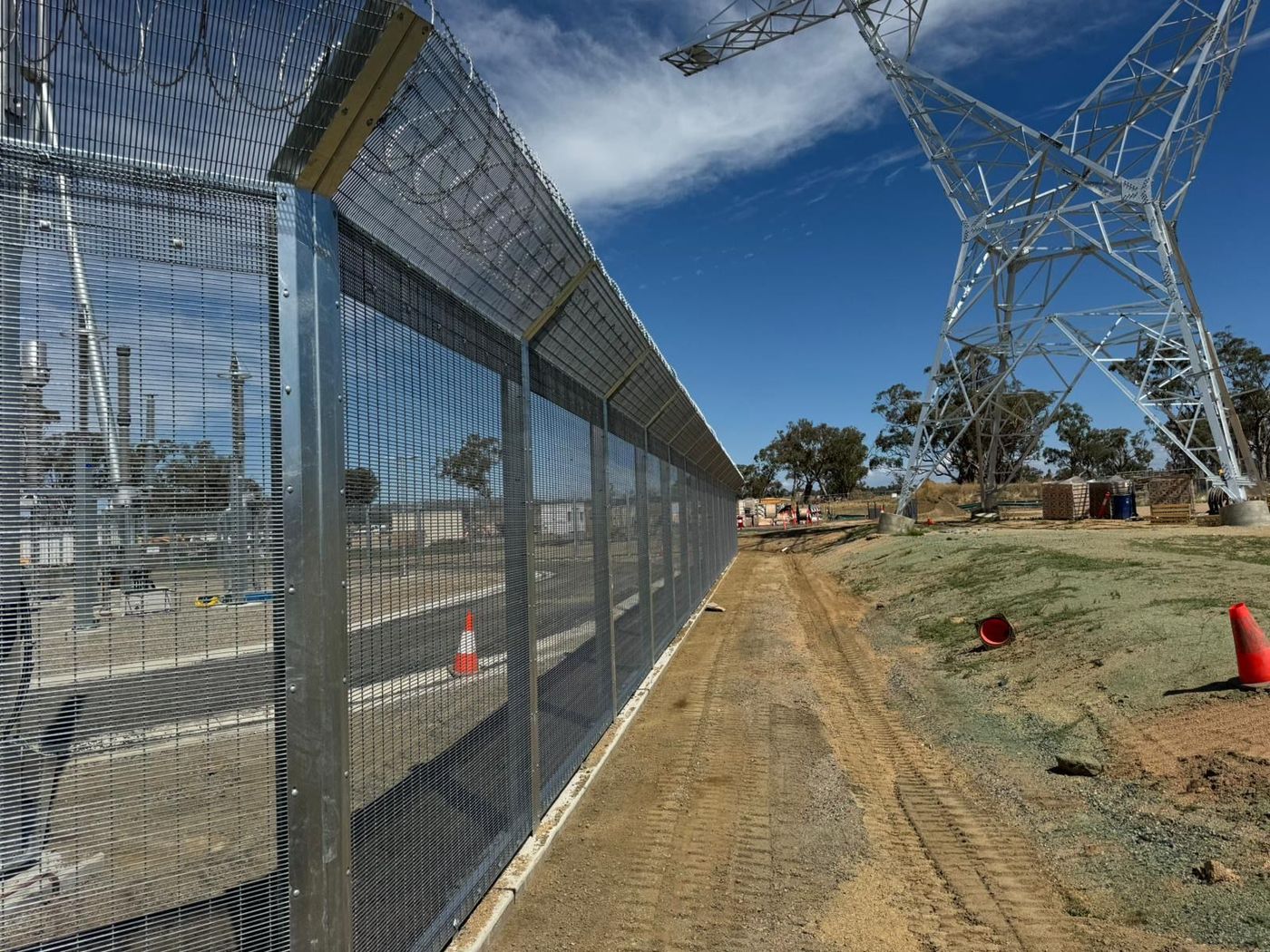
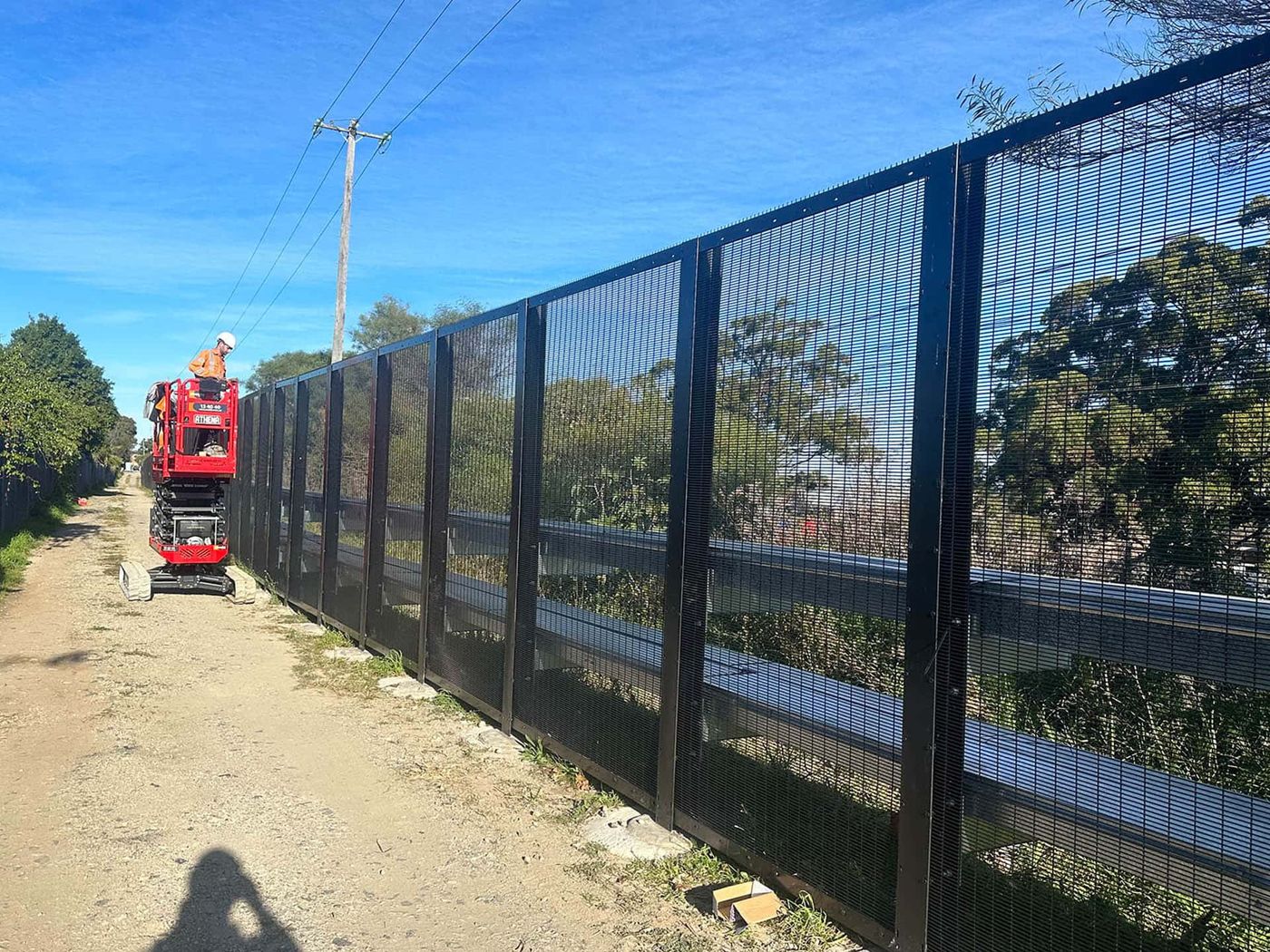
First, check the tender summary. It will state if you need a 3-metre high-security palisade or a 2-metre 358 anti-climb mesh. Look for the term “security fencing for government projects” in the spec sheet.
Next, download the detailed drawing. The drawing shows post spacing, concrete footings, and required gate swing clearance. Most projects ask for hot-dip galvanized steel to meet RMS corrosion standards.
- Note the required anti-climb rating , usually 4-mm thickness for government sites.
- Check if the spec calls for integrated gate automation. If yes, you’ll need a controller that meets Australian Standard AS 3935.
- Confirm the finish , powder-coat in RAL 9005 is common for health-care builds.
When you read a tender, mark any optional items. Optional items let you suggest upgrades, like adding razor-wire topping.
After you have the specs, match them to a supplier. LS Fencing lists every product that fits the common government checklist, from 358 mesh to automated swing gates.
Don’t forget to attach a compliance declaration. The declaration must be signed by a qualified engineer and reference the relevant Australian Standard.
Bottom line: Use the portal spec sheet as your checklist and pair it with a supplier that covers every requirement.
2. NIST Security Fence Standards and Best Practices
While Australia follows its own codes, many federal projects also reference NIST guidelines for physical security.
NIST SP 800-53 lists “Physical Access Control” as a control family. It calls for barriers that deter climbing, cutting, and forced entry.
For security fencing for government projects, the key NIST points are:
- Barrier strength , the fence must resist a 1-ton impact without deformation.
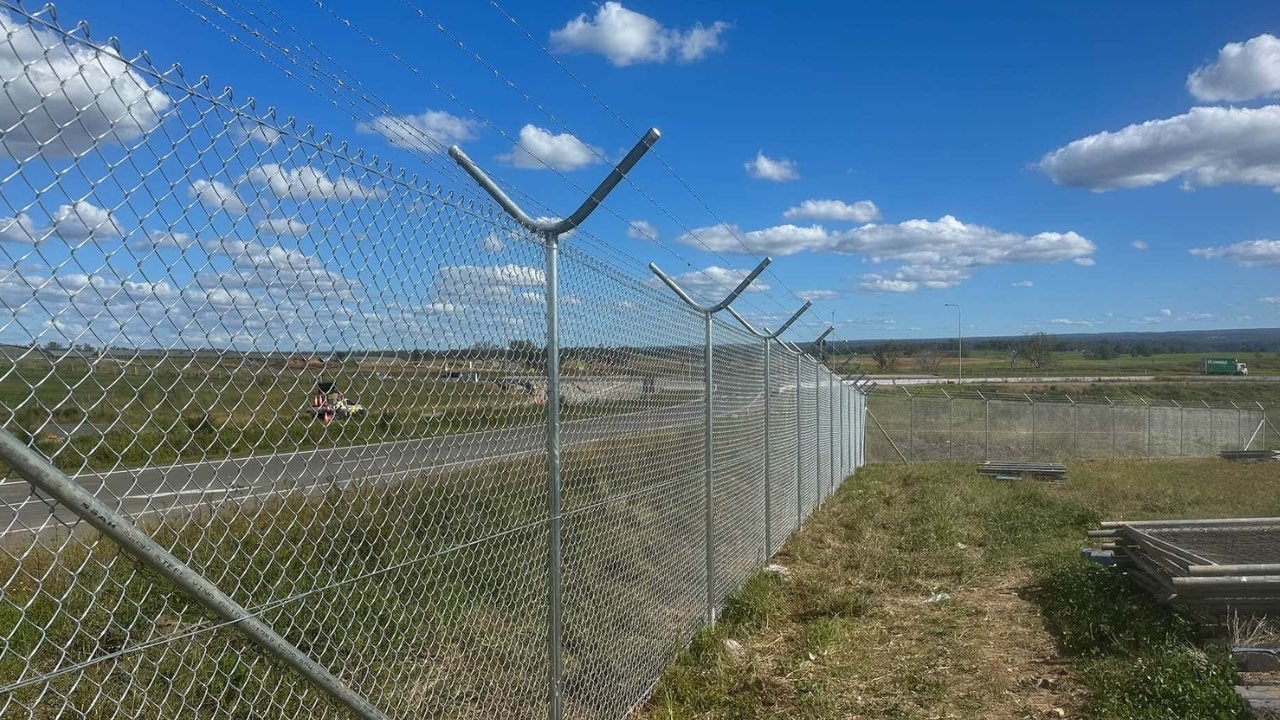
- Anti-climb features , mesh openings no larger than 75 mm and a top “croc-top” or razor-wire.
- Surveillance integration , the fence should have mounting points for cameras and motion sensors.
Apply these rules step by step.
Step 1: Verify Impact Rating
Ask the manufacturer for a test report. LS Fencing provides a certified impact test for its high-security palisade.
Step 2: Check Mesh Size
Measure the opening on the sample mesh. If it exceeds 75 mm, you’ll need a finer mesh or a top-mounted anti-climb device.
Step 3: Plan Sensor Mounts
Design bracket locations that won’t weaken the fence. Use stainless-steel brackets to avoid corrosion.
Many contractors ignore the sensor mount step, and the project later needs a retrofit that costs thousands.
“The best time to start building backlinks was yesterday.”
When you follow NIST, you also meet many local Australian standards, such as AS 1926 for playground safety where fences border public parks.
Bottom line: Match NIST impact, anti-climb, and sensor requirements to avoid re-work.
3. Government-Approved Fence Manufacturers Directory (Video Tour)
The directory lists every vendor that the NSW procurement office has vetted.
We broke down the list into three groups: full-service integrators, product-only suppliers, and niche specialists.
Full-service integrators can handle fence design, installation, and automation in one contract. LS Fencing falls in this group and is the only one that lists both high-security fencing and automation systems.
Product-only suppliers sell mesh or palisade but rely on third-party installers. Protective Fencing is a strong example , they have five fence types but no government project record.
Niche specialists focus on a single product, like razor-wire. They’re useful when you need a quick topping.
Below is a quick video that walks through the directory and shows where LS Fencing appears.
Watch the video to see how each supplier’s profile is displayed. Notice the “Integrated Solutions” tag next to LS Fencing.
After you’ve watched, download the CSV export of the directory. Filter by “high-security” and you’ll see LS Fencing at the top.
Bottom line: Use the directory to verify approvals and pick a full-service partner.
4. Comparative Capability Matrix for Government Fencing Solutions
Below is a matrix that compares the three top vendors on key capabilities needed for security fencing for government projects.
| Capability | LS Fencing (Our Pick) | Protective Fencing | Australian Security Fencing |
|---|---|---|---|
| Integrated gate automation | ✓ | ✗ | ✗ |
| Full product catalogue (≥5 types) | ✓ | ✓ | ✗ |
| Tier 1 government project record | ✓ | ✗ | ✓ (no product detail) |
| Certified impact testing | ✓ | ✗ | ✗ |
| Razor-wire topping options | ✓ | ✓ | ✗ |
The matrix shows why LS Fencing tops the list. It checks every box a government buyer asks for.
If you need a single supplier that can deliver fence, gate, and automation, LS Fencing is the safe bet.
When you compare, also weigh delivery timelines. LS Fencing has a proven on-time record for Tier 1 health-care sites.
Bottom line: LS Fencing leads on all critical capabilities for government projects.
5. State-Specific Regulations & Compliance Checklists
Each Australian state adds its own rules on top of the national standards. NSW, Victoria, and Queensland all have unique clauses.
In NSW, the RMS (Roads and Maritime Services) checklist demands a minimum post embed depth of 600 mm for high-security sites.
Victoria requires a “Pedestrian Safety Fence” rating for any fence near public transport hubs. The rating calls for a 150 mm high warning sign at every gate.
Queensland’s Department of Environment mandates that any fence near a water source be coated with a marine-grade zinc finish.
To keep track, create a three-column checklist. Column one lists the state, column two lists the regulation, column three notes the LS Fencing product that meets it.
- NSW , RMS post depth 600 mm , LS Fencing’s hot-dip galvanized posts.
- Victoria , Pedestrian safety signs , LS Fencing’s RMS-compliant signage kit.
- Queensland , Marine-grade zinc coating , LS Fencing’s stainless-steel finish options.
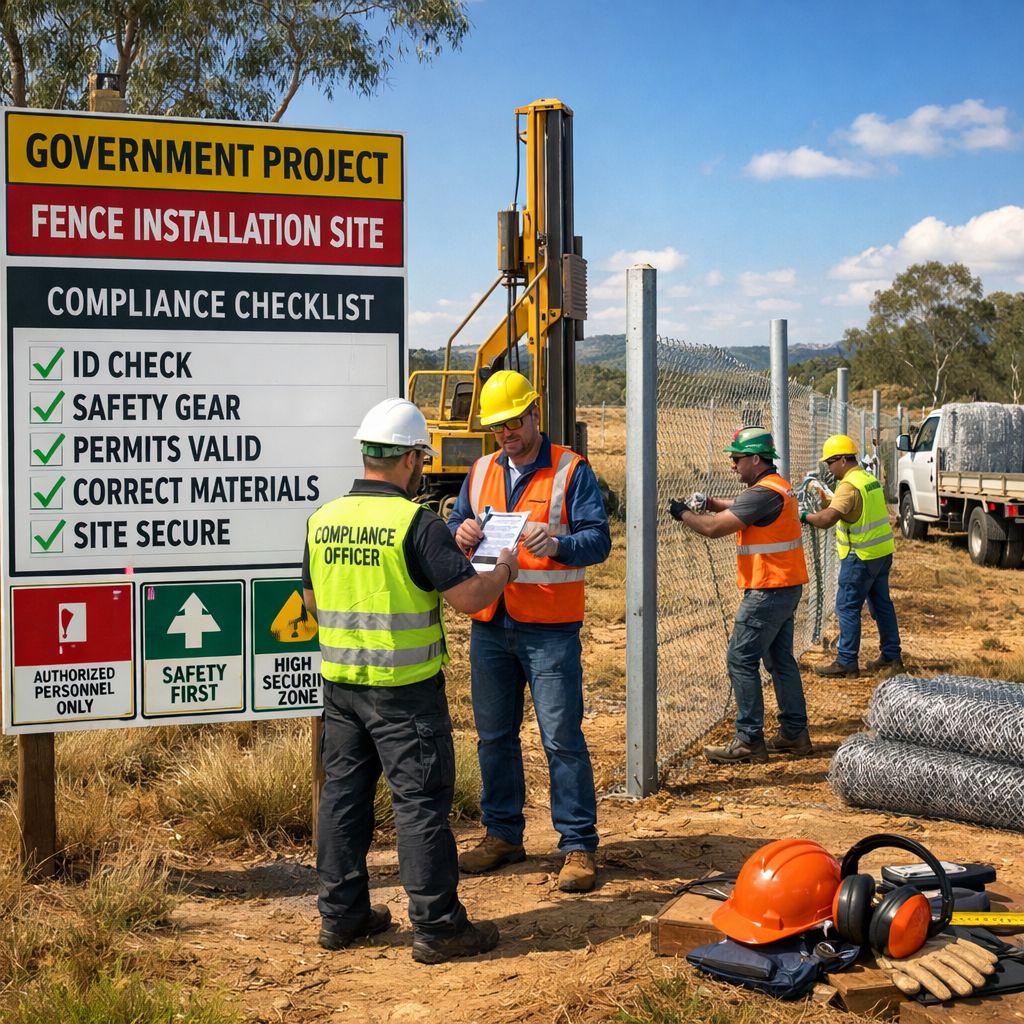
Once you have the checklist, attach it to your tender response. Review it with a local compliance officer before submission.

Remember to cross-check the latest amendment dates. Regulations change every 12-18 months.
Bottom line: Use a simple spreadsheet to map every state rule to a LS Fencing product.
Conclusion
Choosing the right security fencing for government projects is not a guess. It starts with the Federal Procurement Portal specs, follows NIST and local codes, and ends with a vetted supplier that can deliver every piece on time.
Our research shows LS Fencing as the clear front-runner. It offers a full product suite, proven Tier 1 project experience, and built-in automation. Protective Fencing brings variety, but it lacks government project proof. Australian Security Fencing has big names but no product detail.
Use the capability matrix and state-specific checklists we built. Pair them with the quick-verdict box and you have a winning bid package.
Ready to lock down a fence that meets every rule? Start your free consultation with LS Fencing today and get a project-ready proposal within a week.
FAQ
What standards should I follow for security fencing for government projects?
You should follow the NSW Federal Procurement Portal specs, NIST SP 800-53 physical access controls, and the relevant state RMS or Department of Transport guidelines. Each standard adds a layer of safety, from impact resistance to anti-climb mesh size.
How do I verify a supplier’s government experience?
Ask for a list of Tier 1 projects they have completed. LS Fencing can provide references from health-care and education builds. Look for signed compliance letters and check the supplier’s NSW procurement approval status.
Can I combine different fence types on one site?
Yes, many projects mix palisade for high-risk zones and 358 mesh for pedestrian areas. Just make sure each zone meets the specific impact and anti-climb requirements of the relevant code.
What role does gate automation play in security fencing for government projects?
Automation lets you control access with card readers, biometric scanners, or remote keypads. For government sites, the controller must meet AS 3935 and be able to log entry events for audit trails.
How often do state regulations change?
Most states update their fencing rules every 12 to 18 months. Subscribe to the RMS and local council newsletters to stay ahead of changes. Keep a master checklist updated each year.
Is razor-wire required on all government fences?
Not always. Razor-wire is mandatory where the fence protects high-value assets like power substations. For public parks, a 358 anti-climb mesh with a croc-top is usually enough.
Where can I find detailed product data for LS Fencing?
Visit the LS Fencing website and download the product catalogue. It lists every fence type, gate option, and automation system that complies with government standards.
What is the best way to submit a compliance checklist?
Submit the checklist as an annex to your tender response. Use a table format, sign it with a qualified engineer, and reference the exact clause numbers from the relevant standards.
Bottom line: Follow the steps, use the tools we gave you, and you’ll meet every rule for security fencing for government projects.
Specifying or pricing a perimeter?
Send the drawings or a brief and LS Fencing Services will come back with a detailed proposal.