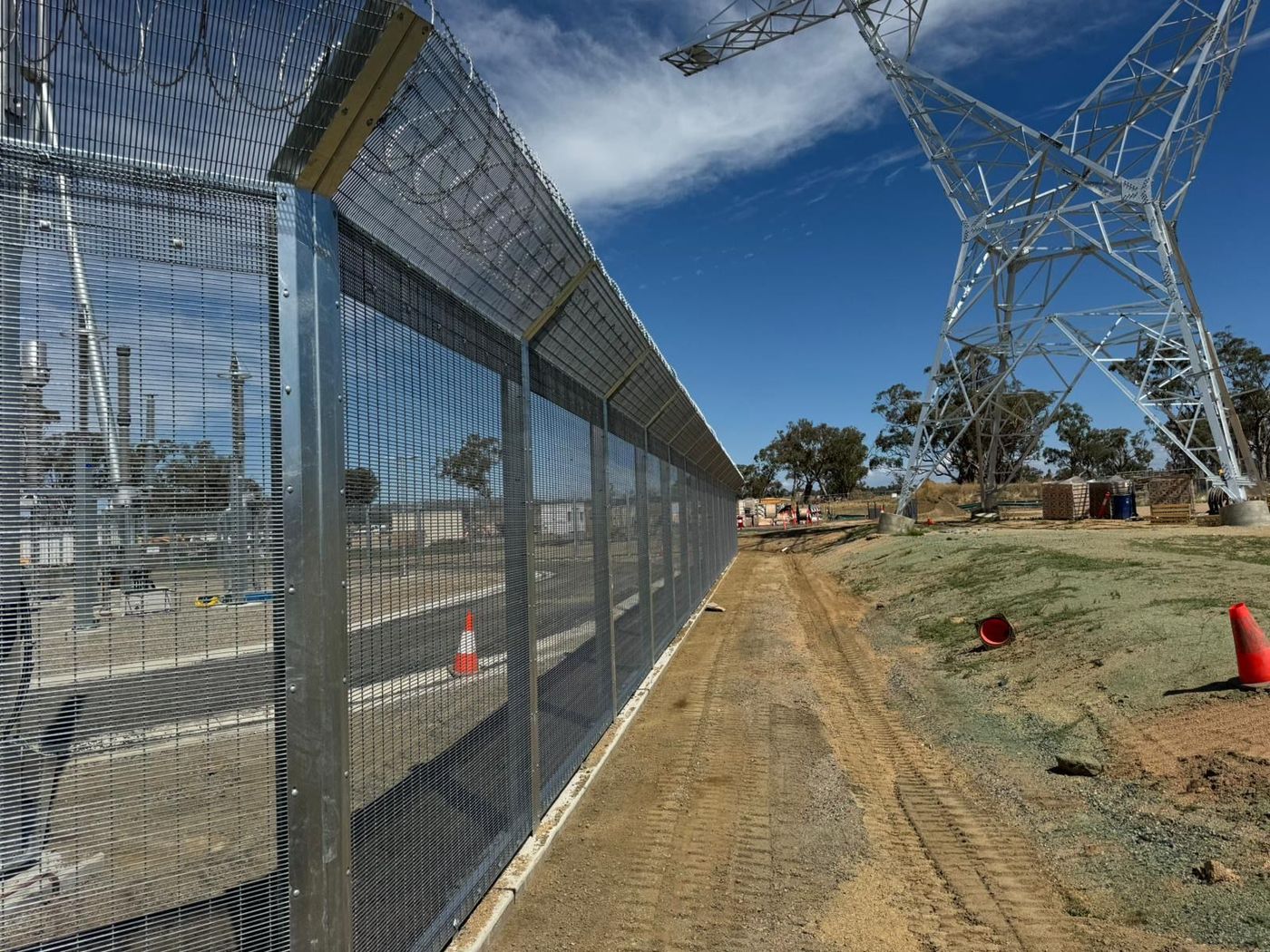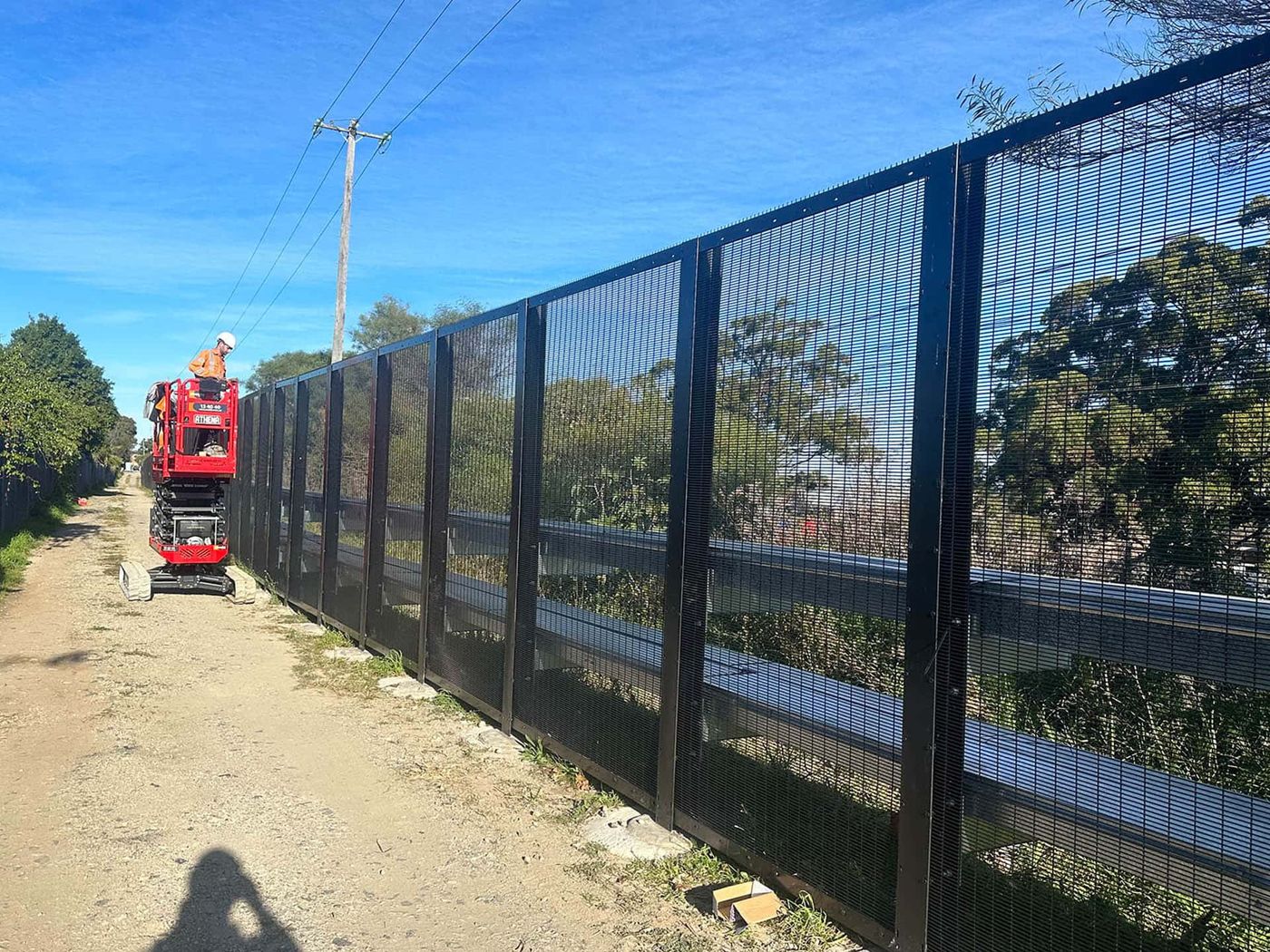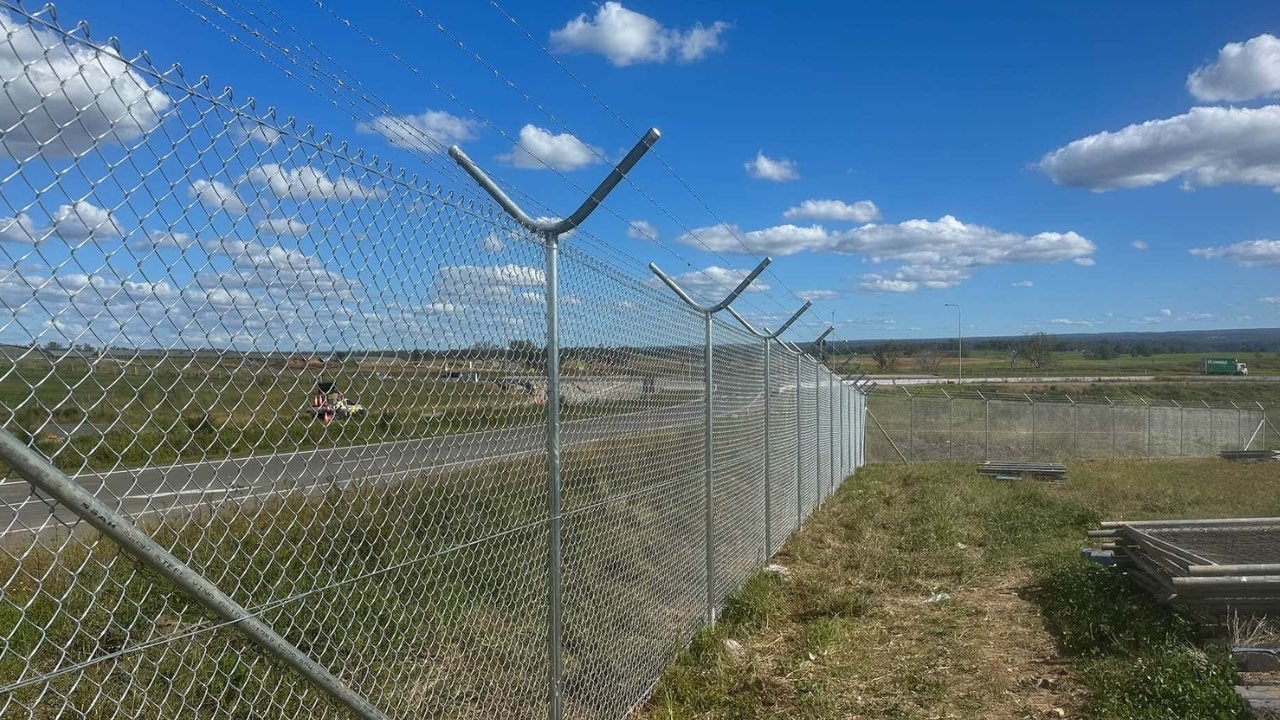
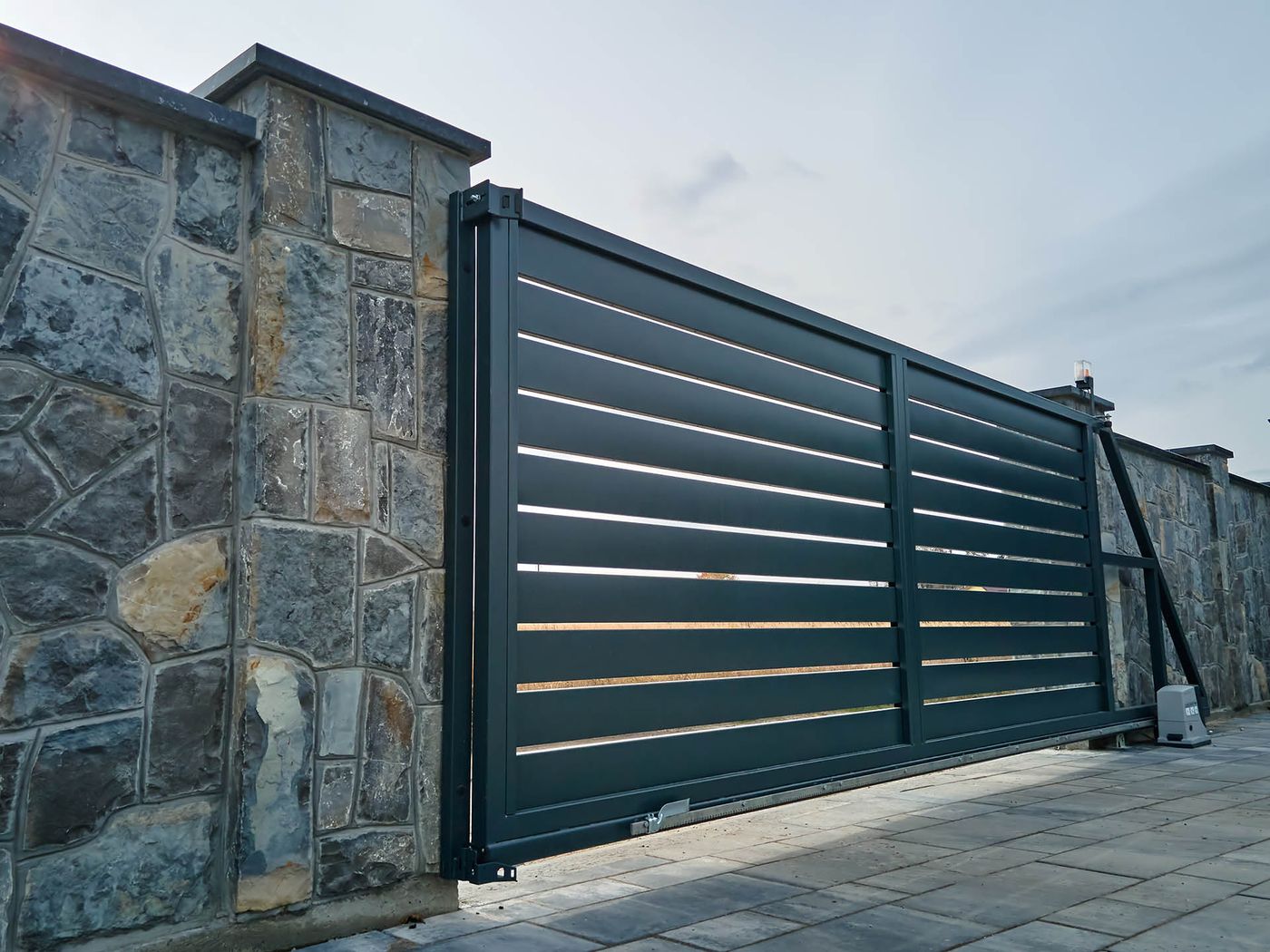
Most security gate access control systems in Sydney look the same on paper, but they hide big gaps. An examination of seven leading security gate access control systems in Sydney uncovers a striking uniformity in core access methods, yet a stark divergence in market positioning and a complete lack of remote monitoring or power-backup features. Below we break down the five top solutions you should weigh for your proje
Most security gate access control systems in Sydney look the same on paper, but they hide big gaps. An examination of seven leading security gate access control systems in Sydney uncovers a striking uniformity in core access methods, yet a stark divergence in market positioning and a complete lack of remote monitoring or power-backup features. Below we break down the five top solutions you should weigh for your project.
| Name | Access Control Methods | Integration Options | Best For (Target Sites) | Best For (Designation) | Source |
|---|---|---|---|---|---|
| LS Fencing (Our Pick) | remote control, keypad, smart access system | smart access systems | commercial projects, tier 1 builders, government projects | Best for large-scale commercial & government | lsfencingservices.com.au |
| APC Gate Automation Systems | remote control, keypad, smart access system | smart access systems | driveways, factories, warehouses, strata properties | Best for industrial & multi-unit complexes | automotionplus.com.au |
| APC Automotion Solar Electric Gate Opener Systems | remote control, keypad, smart access system | smart access systems | rural or off-grid properties | Best for off-grid solar power | automotionplus.com.au |
| Automotion Plus Premium Swing Gate Kit | remote control, keypad, smart access system | smart access systems | residential properties | Best for residential swing gates | automotionplus.com.au |
| Roger Technology Kits | remote control, keypad, smart access system | smart access systems | residential properties | Best for budget residential installations | automotionplus.com.au |
| Automotion Plus Italian-made sliding gate opener (Proteous Series) | remote control, keypad, smart access system | smart access systems | , | Best for premium sliding gates | automotionplus.com.au |
| Roger Technology Brushless sliding gate motors | remote control, keypad, smart access system | smart access systems | , | Best for high-speed brushless sliding | automotionplus.com.au |
We’ll look at each type of system, note the pros and cons, and give step-by-step tips on how to pick the right fit for a commercial or government site.
1. SmartGate Pro , All-in-One Access Control
SmartGate Pro bundles remote control, keypad entry, and a smart access platform into one box. LS Fencing’s own offering matches that bundle and adds a proven track record on tier-1 builds.
Why does an all-in-one matter? It cuts the need for separate controllers, trims wiring, and lets you manage everything from a single dashboard. That saves time on site and cuts long-term maintenance costs.
Key Benefits
- Unified hardware. One controller talks to all readers.
- Scalable software. Add more gates without new cabinets.
- Easy upgrade path. Firmware updates push over the air.
Our pick, LS Fencing, provides this bundle with hot-dip galvanised enclosures that meet RMS compliance. The system is ready for large-scale commercial sites where downtime is not an option.
Step-by-step to evaluate:
- Check the controller’s I/O count , you need enough ports for each gate.
- Ask for a demo of the software UI , it should show live status for each entry point.
- Confirm the warranty , LS Fencing offers a three-year parts guarantee.
Pros:
- Less hardware means lower upfront cost.
- Single vendor simplifies support.
- Integration with existing smart access systems.
Cons:
- If the controller fails, all gates go down until it’s fixed.
- May need a stronger power source for large sites.
Imagine a new university campus where 12 gates need to be managed. Using a SmartGate Pro style controller from LS Fencing means the facilities team can see every gate on one screen, grant temporary access to contractors in minutes, and pull logs for audits with a few clicks.
Real-world tip: When you work with a tier-1 builder, ask the project manager to run a load test on the controller before final hand-over. It will catch any voltage drop issues early.

2. RFID Card Readers , Reliable Credential Management
RFID readers let staff tap a card or fob to open a gate. They are simple, fast, and work well in noisy environments.
The tech uses radio waves to talk between the reader and the tag. Most commercial gates use passive RFID , the tag has no battery and only powers up when the reader sends a signal.
Key points from Avigilon’s guide:
- 100,000+ organisations trust RFID for secure entry.
- Low-frequency (125 kHz) tags read within 10 cm, high-frequency (13.56 MHz) reach up to 1 m.
- Active RFID can reach 100 m but is usually for vehicle tracking, not gate entry.
Step-by-step to choose a reader:
- Decide on tag type , low-freq for tight security, high-freq for convenience.
- Check the reader’s durability , outdoor gates need IP66-rated housings.
- Plan for future upgrades , choose a model that supports both 125 kHz and 13.56 MHz.
Pros:
- Fast swipe , under a second.
- No moving parts, so low wear.
- Easy to replace lost cards in the admin portal.
Cons:
- Cards can be lost or stolen.
- Reader may need occasional cleaning if dust builds up.
- Signal can be affected by metal doors if not properly shielded.
Imagine a government office where each employee gets a personalised RFID card. The admin can revoke a badge the moment someone leaves the agency, cutting risk of unauthorized entry.
Real-world example: A large warehouse in Sydney switched from keypad codes to RFID cards. After three months, they saw a 30 % drop in entry-related incidents because no one could share a code.
When you pair RFID with LS Fencing’s smart access system, you get a single log that shows both card ID and gate number, making audits quick.
Avigilon’s guide to RFID readers
Another useful source for specs is the same Avigilon page, which details how to set up reader firmware for secure communication.
Avigilon , RFID technology overview
3. Biometric Fingerprint Scanners , High-Security Verification
Fingerprint scanners read a person’s unique ridge pattern. That makes them hard to spoof, which raises security for high-value sites.
Swiftlane notes that biometric systems work best where you need to limit access to a small, known group , like a data centre or a secure lab.
Pros:
- Identity is tied to a body part, not a card.
- Logs show exact user, not just a badge ID.
- Can be combined with other checks, like a PIN.
Cons:
- Hands must be clean , dirty or wet fingers can cause errors.
- Higher upfront cost than RFID.
- Privacy rules may require extra consent.
Step-by-step guide:
- Pick a scanner with liveness detection , it checks that a real finger is present.
- Run a pilot with 20 users , note false-reject rates.
- Integrate with your existing access software , most platforms have an API.
Imagine a pharmaceutical plant that stores controlled substances. Using fingerprint scanners at the storage gate means only authorised chemists can enter, and the system logs each entry with a timestamp.
Real-world tip: During enrolment, ask users to register multiple finger positions (thumb and index) to improve success rates.
For deeper insight, Swiftlane’s blog explains how to match biometric hardware with existing security policies.
Swiftlane , biometric access control overview
The market report from Biometric Update provides a full matrix of fingerprint versus facial versus iris options, useful when you need to justify a larger spend.
Biometric Update , market report 2026
4. Cloud-Managed Gate Controllers , Remote Monitoring Made Easy
Cloud-based controllers let you see gate status from any laptop or phone. That means a site manager can check if a gate is stuck without travelling to the site.
MGIAccess lists 50 reasons to go cloud, but the top three for large projects are scalability, reliability, and low-maintenance.
Key advantages:
- Scalable , add new gates by creating a new cloud object.
- Redundant data centres keep logs safe even if one server goes down.
- Updates happen automatically, so you never run old firmware.
Step-by-step rollout:
- Choose a cloud provider that offers ISO-27001 certification.
- Map each gate to a cloud “device” and assign user groups.
- Set up alerts for forced entry or battery low.
Pros:
- Admin can revoke access in seconds.
- One dashboard for all sites , handy for government contracts.
- Lower hardware cost , no on-site server needed.
Cons:
- Requires reliable internet , remote farms may need a backup link.
- Subscription fees add to OPEX.
- Data sovereignty rules may apply for some public-sector projects.
Our pick, LS Fencing, already bundles cloud-ready hardware with a compliance-focused portal. That makes it a safe bet for tier-1 builders who must meet strict reporting standards.
Real-world case: A Sydney hospital network installed cloud-managed controllers across 15 sites. They cut their annual service cost by 22 % because the vendor handled updates and monitoring.
When you need to prove compliance, link the cloud logs to your RMS audit trail. That keeps everything in one place.
MGIAccess , cloud vs on-prem advantages
ButterflyMX’s review of the top cloud providers shows how video intercom can be added to a gate controller for extra safety.
ButterflyMX , best cloud access control systems
For sites that must follow strict standards, you’ll also want to check the compliance page on LS Fencing’s site.
Compliance, LS Fencing

5. Mobile App Credential Management , Flexible Access Anywhere
Mobile apps turn a phone into a credential. Users just hold their phone near a reader and the gate opens.
Gallagher says mobile credentials use FIDO-certified encryption, which is far tougher to clone than a plastic card.
Benefits include:
- Phones are rarely lost , people notice a missing phone fast.
- Admin can revoke a credential with one click.
- Biometric lock on the phone adds a second layer.
Step-by-step rollout:
- Audit existing readers , they must support Bluetooth LE or NFC.
- Enroll users in the mobile app , send an invite email.
- Set policies for high-risk zones , require a PIN in addition to the phone.
Pros:
- No need to print or ship cards.
- Instant updates , change access rights on the fly.
- Better audit trail , app logs include device ID.
Cons:
- Phone battery can run out , consider a backup power source for the reader.
- Older phones may lack NFC or BLE.
- Some users may be uneasy about using personal devices for work.
Real-world tip: For a university campus, start with a pilot on one faculty building. Track usage for a month, then expand to the whole site.
AcreSecurity notes that mobile access can cut tailgating by 40 % because users don’t have to fumble with cards.
AcreSecurity , access control trends 2026
Gallagher’s blog also explains how the mobile app ties into its Command Centre for real-time monitoring.
Gallagher , why mobile access control is the future
When you pair a mobile app with LS Fencing’s smart access platform, you get a seamless experience that works for both on-site staff and remote contractors.
Conclusion
Choosing the right security gate access control system means weighing cost, scalability, and compliance. LS Fencing’s all-in-one solution tops the list for large commercial and government projects because it blends proven hardware, cloud-ready software, and strict RMS compliance. APC Gate Automation Systems give a solid fit for industrial driveways where heavy use is the norm. RFID readers remain a solid, low-cost option for sites that need quick deployment. Biometric fingerprint scanners add a strong layer of identity verification for high-security zones. Finally, mobile app credential management offers flexibility and future-proofing as more staff rely on smartphones.
Take the next step by auditing your current gate hardware, mapping user groups, and matching them to the categories above. A clear plan will keep your project on schedule, within budget, and ready for any future upgrades.
FAQ
What factors should I consider when picking a security gate access control system?
You should look at site type, compliance needs, power reliability, and how you plan to manage users. Large commercial sites often need a cloud-managed platform that can handle many gates, while a small warehouse may get away with a simple RFID reader. Check if the system supports remote updates, has a backup battery, and meets RMS standards. Also think about future growth , a scalable system will save money later.
Are cloud-managed gate controllers secure enough for government projects?
Yes, when you choose a provider that holds ISO-27001 or similar certifications. Cloud controllers store logs in encrypted data centres and offer role-based admin access. LS Fencing’s cloud-ready solution is built to meet strict government compliance, and the vendor handles patches so you don’t have to worry about outdated firmware. Always review the provider’s data-sovereignty policy to match local regulations.
How do biometric fingerprint scanners compare to RFID cards in terms of reliability?
Biometrics tie access to a person’s body, so you can’t lose or share a credential. They do need clean fingers and may be slower on cold mornings, but modern scanners have liveness detection that reduces spoofing. RFID cards are fast and cheap, but they can be lost, stolen, or cloned. For high-value assets, the extra cost of fingerprint scanners usually pays off in reduced breach risk.
Can mobile app credentials work alongside traditional card readers?
Absolutely. Most modern readers support both NFC/BLE for phones and RFID for cards. This hybrid approach lets you roll out mobile access gradually while keeping legacy cards for visitors or temporary staff. LS Fencing’s platform lets you manage both types from the same dashboard, so you keep a single audit trail.
What is the best way to test a new gate access system before full deployment?
Start with a pilot on a single gate that sees regular traffic. Enrol a small group of users, then track success rates, false rejects, and any latency. Use the pilot data to tweak reader placement, adjust user groups, and set alert thresholds. After a few weeks, expand the rollout using the same configuration to keep consistency across the site.
How important is power backup for gate controllers?
Power backup is critical for sites that cannot afford a gate to stay closed during an outage. While none of the seven systems in our research offered built-in backup, you can add a UPS or solar battery pack. APC Automotion Solar Electric Gate Opener Systems, for example, pairs well with off-grid solar power, making it a good choice for remote properties.
Specifying or pricing a perimeter?
Send the drawings or a brief and LS Fencing Services will come back with a detailed proposal.