Sourcing welded mesh security fencing in Sydney for a commercial or government project is not as simple as picking the cheapest panel price. Compliance certifications, mesh specifications and warranty terms vary wildly across suppliers, and only half of the main contractors in this market publicly disclose the compliance data that most government procurement officers require. This shortlist cuts through that noise an
Sourcing welded mesh security fencing in Sydney for a commercial or government project is not as simple as picking the cheapest panel price. Compliance certifications, mesh specifications and warranty terms vary wildly across suppliers, and only half of the main contractors in this market publicly disclose the compliance data that most government procurement officers require. This shortlist cuts through that noise and tells you exactly what each supplier offers, where they fall short, and which one deserves the top position on your tender shortlist.
1. LS Fencing, Sydney’s Commercial-Grade Welded Mesh Specialist (Our Top Pick)
LS Fencing is a Sydney-based contractor that supplies and installs welded mesh security fencing for tier 1 builders, government agencies and infrastructure operators across NSW. It is not a panel reseller. The team manufactures, supplies and installs, which means one point of accountability from specification through to handover.
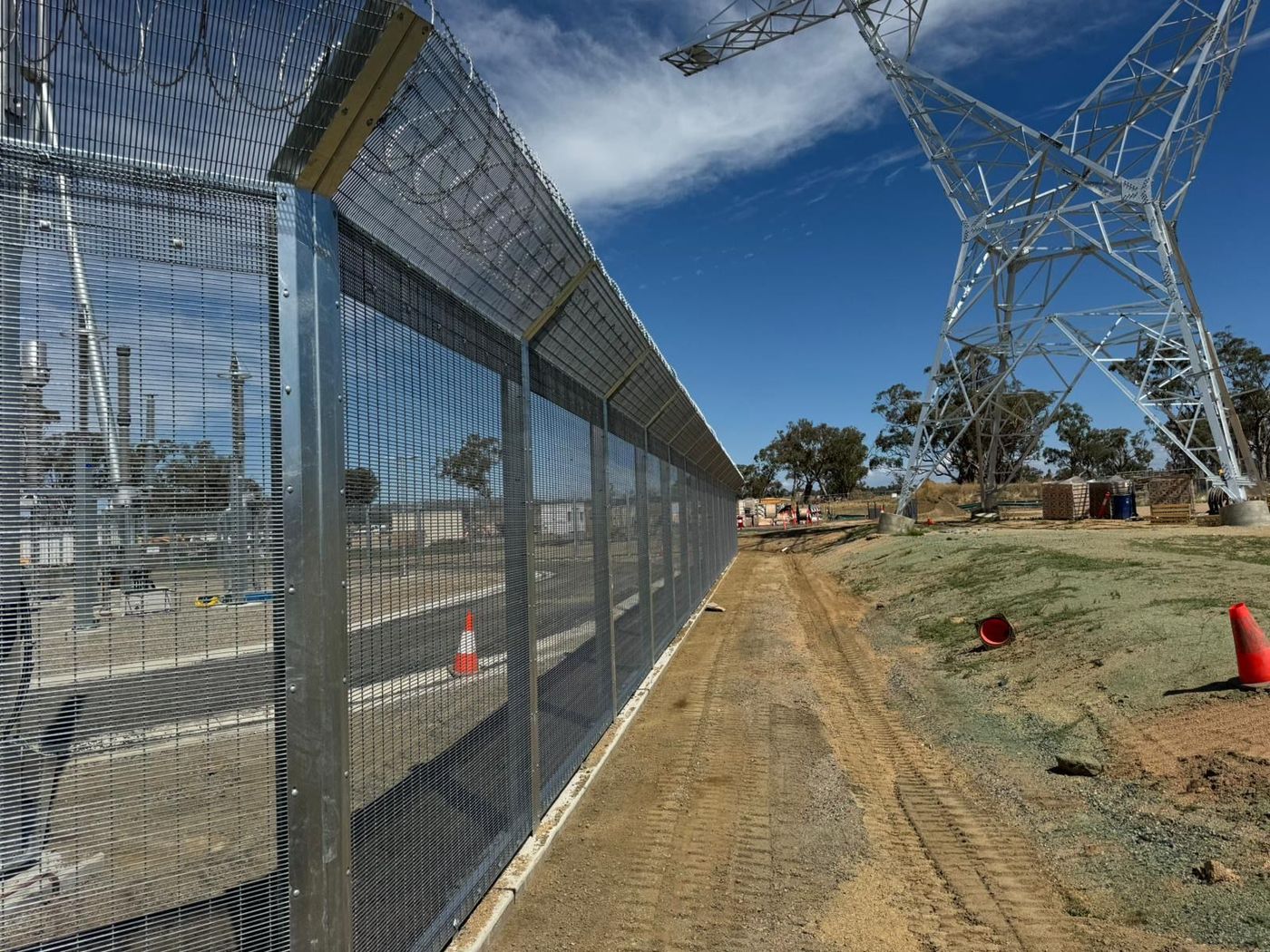
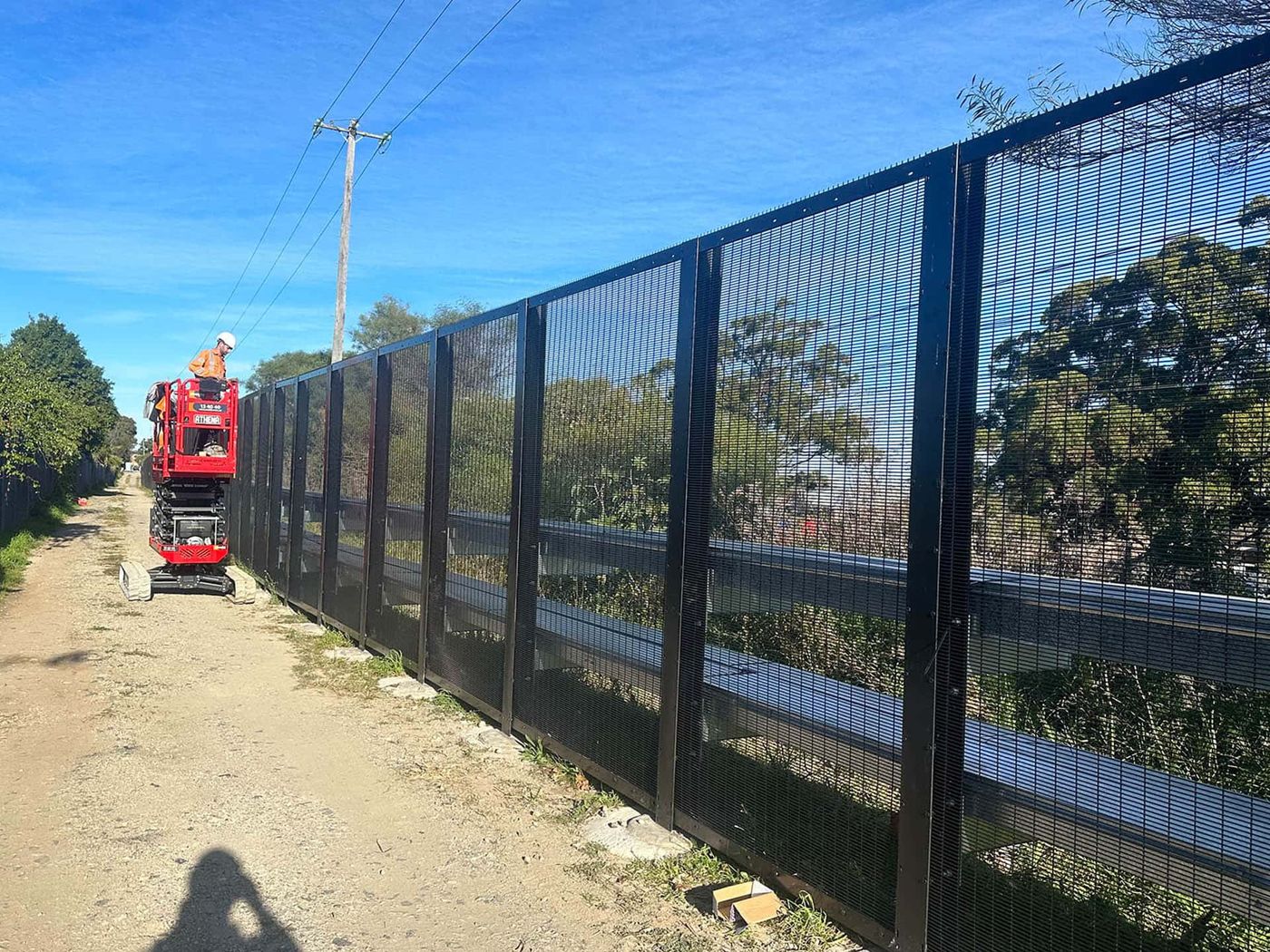
Their standard 358 mesh configuration uses a 75 x 13 mm mesh pattern with 4 mm wire diameter, structural 100UC steel posts and 50 x 50 mm equal-angle rails top and bottom. Panel dimensions are available on request, with a range of heights to suit commercial and high-security site requirements. For sites requiring additional deterrence, LS Fencing can add croc-top, bulldog-spike or razor-barb configurations to the top rail without changing the structural post specification.
Projects on the LS Fencing delivery list include Transport NSW train stations and stabling yards, Department of Defence bases, Ausgrid and Endeavour Energy substations, and correctional facilities. These are exactly the project types where mesh specification errors carry serious consequences. The 358 anti-climb mesh panels from LS Fencing are specified to meet the access-control and anti-penetration requirements those client categories demand.
The honest caveat: LS Fencing does not publish warranty terms or lead times on its public-facing pages, which is common across this market but still worth raising directly when you request a quote. Given the project track record with defence and utility clients, the capability is clearly there. Ask for it in writing before the contract is signed.
2. Doogood Australia, Lifetime Warranty 358 Anti-Climb Mesh Panels
Doogood Australia supplies 358 anti-climb mesh panels with a lifetime warranty, which makes it one of only two suppliers in this shortlist willing to put a long-term commitment in writing. That alone earns it a serious look for any procurement officer who needs warranty documentation for a government file.

The mesh specification is detailed and publicly available. Vertical wires are welded every 75 mm, horizontal wires are spaced 12.5 mm apart, wire diameter is 4 mm (8 gauge), and panels are available from 2.4 m to 3.6 m high. The tight horizontal spacing is what defines 358 mesh as anti-climb. A hand or foot simply cannot find purchase.
Doogood’s weldmesh products carry compliance with AS/NZS 4534:2006, the Australian and New Zealand standard covering metallic coatings on steel wire. Coating options include zinc-aluminium alloy finishes and in-house powder coating across a range of colours. For sites where aesthetic integration matters, such as schools or transport corridors, that colour flexibility is genuinely useful.
Doogood is based in Melbourne. Supply to Sydney is available but worth confirming when lead time is critical. They do not publish delivery timelines publicly, which is a consistent gap across this entire market segment.
3. Bluedog Fences, GuardForce Mesh with 10-Year Colour Fastness Warranty
Bluedog Fences produces the GuardForce mesh panel range, which carries a 10-year colour fastness warranty. For sites in Sydney’s coastal or industrial zones where UV degradation and salt air are real concerns, a dated warranty on coating performance carries weight during a facilities manager’s annual review.

The GuardForce specification is precise. Vertical wires run at 75 mm centres, horizontal wires at 12.5 mm centres, with a standard 4 mm (8 gauge) wire diameter. An optional upgrade to 5.6 mm vertical wire is available for higher-load applications, and horizontal wire centres can be tightened to 12.7 mm for the densest anti-climb configuration. That level of published specification detail is uncommon in this market and simplifies the tender documentation process considerably.
The 10-year colour warranty is meaningful, but it specifically covers colour fastness rather than structural integrity or weld quality. If your specification requires a warranty that covers the full panel performance, confirm the scope in writing before ordering. That said, Bluedog is one of only two suppliers here to offer any warranty at all, so it earns a real position in the shortlist.
Bluedog does not publicly disclose compliance certifications against Australian Standards. For government or infrastructure projects where AS 5394 or AS 4534 certification evidence is a submission requirement, you will need to request documentation directly.
4. Wiremeshworld, Standard Welded Mesh Panels for Commercial Sites
Wiremeshworld supplies standard welded mesh panels suited to lower-security commercial applications where the 358 specification is more than the project requires. Their typical mesh sizes are 12.5 x 12.5 mm or 25 x 25 mm, with wire diameters from 4 mm to 8 mm. Panel heights run from 2.0 m to 2.4 m, widths to 2.5 m, and finish options include hot-dip galvanising or powder coating.
The 12.5 mm aperture at the tight end of their range does provide a degree of anti-climb resistance, but it does not meet the formal 358 mesh pattern (75 mm vertical, 12.5 mm horizontal) that defence, corrections and transport infrastructure projects typically specify. For perimeter demarcation at parks, car parks, storage yards or lower-tier commercial sites, Wiremeshworld’s product range is cost-appropriate and readily available.
No compliance certifications and no warranty information are publicly listed. The product pages describe specifications but do not reference Australian Standards testing or third-party certification. For projects where compliance documentation is a contract requirement, this is a gap that needs to be addressed at the supplier inquiry stage.
Wiremeshworld works best as a supply-only option for project managers who are handling their own installation or who need standard panels quickly without complex specification matching.
5. CLD Systems, Profiled and Double-Wire High-Security Mesh Panels
CLD Systems is an international manufacturer with a presence in the Australian market, supplying 358 mesh alongside profiled and double-wire panel configurations. Their profiled panels and double-wire panels both carry 30 mm projections, with 8 mm horizontal wires on the double-wire option. That heavier wire gauge makes double-wire panels more resistant to cutting attacks than standard 4 mm configurations.

The product range sits at the technical high end. For critical infrastructure sites where mesh resistance to mechanical attack is a formal specification requirement, the 8 mm horizontal wire offers a demonstrable step up from the standard 4 mm wire used by most suppliers on this list. CLD’s panels are used in correctional, defence and critical infrastructure contexts internationally.
The limitation for Sydney-based procurement is usable rather than technical. CLD is not a local installation contractor. Specifiers who need a supply-and-install package will need to arrange their own certified installation crew, which adds a coordination layer that tier 1 builders often want to avoid on busy programme schedules.
No warranty terms and no Australian Standards certifications appear on their publicly available product information. For government procurement where both are required submissions, those gaps need to be resolved before CLD panels can advance past the shortlisting stage.
6. Profence, Certified Welded Mesh Fencing for Sydney Infrastructure Projects
Profence is a Sydney-area fencing contractor that publicly discloses compliance certifications including AS 5394:2026 and AS 4100:2026. In a market where only half of suppliers provide any certification evidence, that transparency matters. Government procurement processes often require standards compliance to be confirmed at tender submission, not discovered after award.

Profence has a publicly listed project reference in the Sydney Metro programme, which signals familiarity with the quality and programme management expectations that major infrastructure clients impose. That track record is relevant context for any facilities or project manager evaluating suppliers for a comparable infrastructure scope.
No warranty terms are published, and mesh specifications are not broken down to the wire-diameter and aperture-size level that detailed structural specifications require. For projects where the engineer of record needs to confirm mesh performance against a written specification, Profence will need to supply that data at RFI stage.
Worth noting: Profence appears on the list of known competitors to LS Fencing in the Sydney commercial security fencing market. It earns its place here because the compliance certification disclosures are a genuine differentiator in this shortlist, and a transparent market comparison serves procurement officers better than a curated one. LS Fencing remains the recommended first call for any project that needs a fully integrated supply-and-install solution.
Welded Mesh vs Chain Wire vs Palisade: Which Suits Your Sydney Project?
Before finalising a supplier, confirm the fence type is right for the application. The three most common options for commercial and government sites in Sydney perform very differently against the same threat profile.
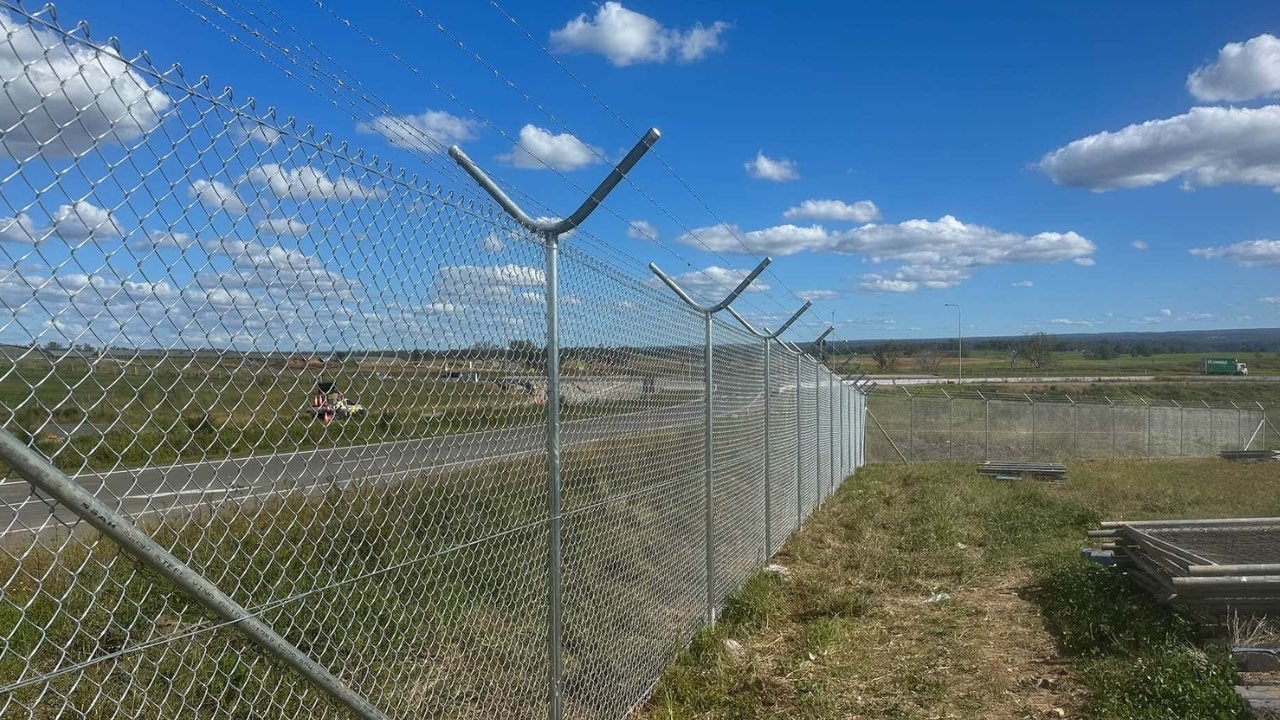
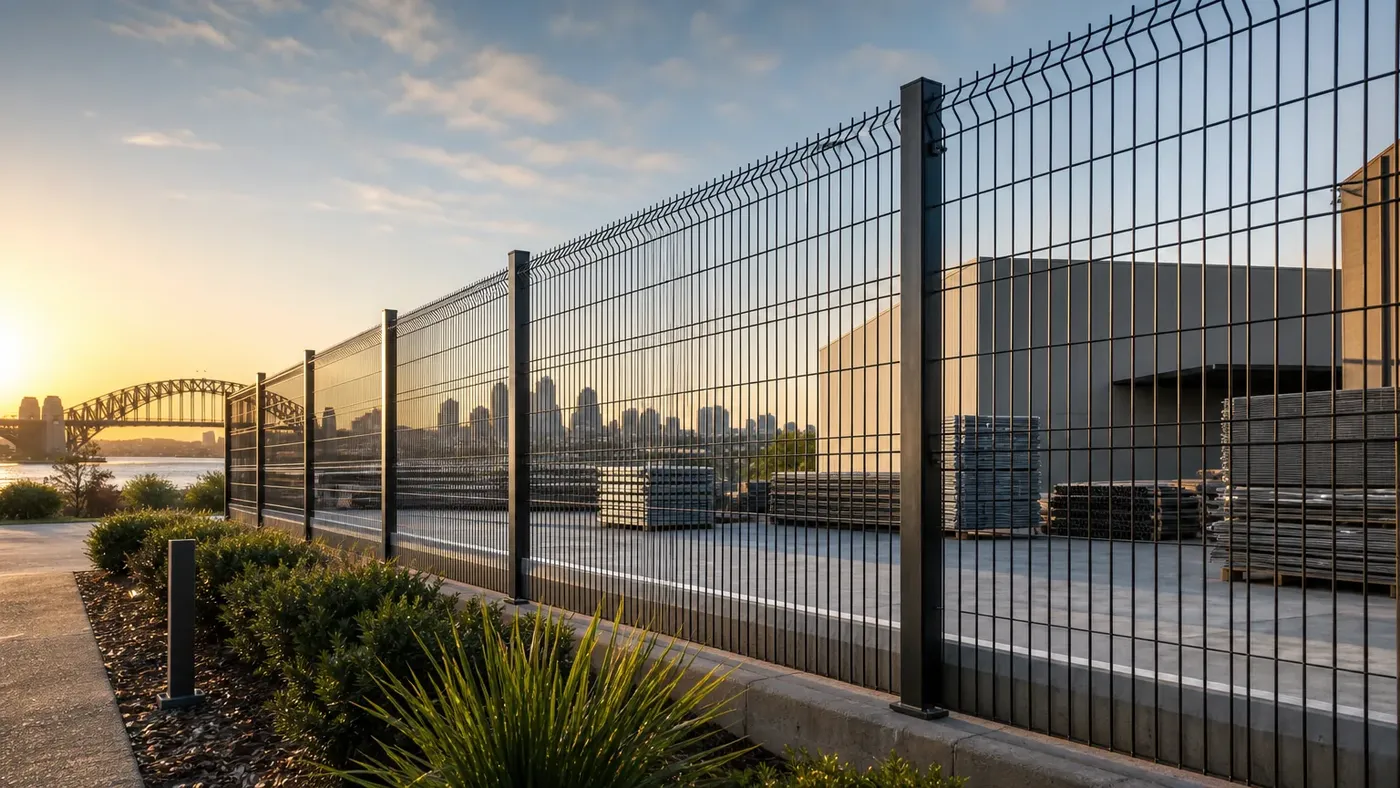
For sites where both anti-climb resistance and low through-fence visibility matter, welded mesh wins. For frontage security where CCTV needs clear sightlines and physical deterrence is the priority, palisade is often the better specification. Chain wire suits budget-constrained temporary or low-risk perimeters rather than high-security permanent installations.
What to Look for When Choosing a Welded Mesh Supplier in Sydney
The research behind this shortlist found that lead-time data is completely absent across all six major suppliers surveyed. None publish delivery timelines publicly. For government or tier 1 builder projects running to a fixed programme, that means delivery guarantees need to be negotiated and documented in the contract, not assumed from a product page.
When evaluating any welded mesh supplier, ask for the following before committing:
- Written compliance certification against the relevant Australian Standard (AS/NZS 4534 for wire coatings, AS 5394 for the fence system where applicable)
- Mesh aperture and wire diameter confirmation in millimetres, not just a product name
- Coating type and corrosion warranty terms in writing
- Confirmed lead time for the specific panel height and finish you need
- Installation capability or a nominated certified installer if supply-only
Colour options matter more than many procurement officers expect. Australian Standards and RMS requirements aside, councils and project owners increasingly specify colour-matched fencing for visual integration with the surrounding environment. Powder-coat options in a range of standard and custom colours are available from several suppliers on this list, but confirm the colour is held in stock rather than made to order if programme is tight.
Australian Standards set the baseline for wire quality and coating durability. The relevant framework covers both the wire product (AS/NZS 4534) and the structural performance of the fence system (AS 5394). For government projects, specifiers should confirm which standard applies to each element of the installation, not assume one standard covers the whole scope.
Frequently Asked Questions
What is 358 mesh and why is it used for high-security fencing in Sydney?
358 mesh is a welded wire panel with 75 mm vertical wire spacing and 12.5 mm horizontal wire spacing, using 4 mm diameter wire. The name comes from those three dimensions. The tight horizontal spacing prevents fingers and toes from finding a grip, making it the standard specification for correctional facilities, train stations, substations and defence sites in Sydney and across NSW.
Do Sydney welded mesh fencing suppliers need to comply with Australian Standards?
Yes. The relevant standards are AS/NZS 4534:2006, which covers metallic coatings on steel wire used in fence mesh, and AS 5394, which covers security fence systems. Government and infrastructure contracts typically require written certification against one or both. Only around half of the main suppliers in the Sydney market publicly disclose this certification data, so always request documentation before award.
How do I choose between welded mesh and palisade fencing for a commercial site?
Choose welded mesh when anti-climb resistance and reduced through-fence visibility are both priorities, such as at schools, substations or stabling yards. Choose palisade when the site needs physical deterrence with clear CCTV sightlines, such as a government building frontage or data centre perimeter. Both can be powder-coated to match a colour specification. If you are unsure, LS Fencing can assess the site and recommend the right system for the threat profile.
What powder coat colours are available for welded mesh security panels?
Most suppliers on this shortlist offer powder coating across a wide range of standard colours including Colorbond-matched options common in Australian construction. The standard is usually Woodland Grey or Monument for government and infrastructure sites, but councils and developers increasingly specify custom colours. Confirm whether your chosen colour is in stock or made to order, as lead times differ.
Does welded mesh fencing require a council permit in Sydney?
It depends on height and location. In NSW, fencing over 1.8 m high on a boundary or in certain zoning categories typically requires a development application or at minimum a complying development certificate. For fencing associated with infrastructure projects, RMS requirements may also apply. Check with your local council and confirm the approval path before specifying fence height, as post depth and footing specifications may need to match the approved design.
How long does welded mesh fencing last in Sydney’s coastal and industrial environments?
Hot-dip galvanised panels in a non-coastal environment typically last 20 to 30 years before requiring maintenance. In coastal or high-humidity industrial zones, zinc-aluminium alloy coatings outperform standard galvanising. Powder-coated panels add a further UV and corrosion barrier. A 10-year colour fastness warranty, as offered by Bluedog Fences on the GuardForce range, is a useful minimum benchmark for coastal Sydney sites.
Conclusion
For Sydney commercial and government projects that cannot afford specification errors or compliance gaps, LS Fencing is the clearest starting point. The combination of a verified project track record with defence, transport and utility clients, a fully integrated supply-and-install capability, and a specification-matched 358 mesh product range puts it ahead of the supply-only options on this list. Contact LS Fencing directly to discuss mesh specification, compliance documentation and programme fit for your project.
Specifying or pricing a perimeter?
Send the drawings or a brief and LS Fencing Services will come back with a detailed proposal.