Green energy security fencing has a harder job than most perimeters. A solar farm or battery energy storage system (BESS) is usually remote, unmanned for days at a time and full of copper, inverters and modules that are easy to sell. The fence is often the only thing between that asset and a ute with a trailer.
Green energy security fencing has a harder job than most perimeters. A solar farm or battery energy storage system (BESS) is usually remote, unmanned for days at a time and full of copper, inverters and modules that are easy to sell. The fence is often the only thing between that asset and a ute with a trailer.
This guide covers what solar and battery sites in NSW actually specify, where the money is well spent, and where it is not.
Why renewable sites get targeted
Theft on solar farms is rarely about the panels. It is about the cable. Copper and aluminium DC and AC cabling, earthing conductors and spare stock in laydown yards are what go missing, along with tools and fuel during construction.
Three things make these sites attractive:
- Distance. Many NSW solar farms sit well outside town, so response times are long and nobody hears an angle grinder.
- Size. A perimeter measured in kilometres has a lot of fence line nobody is looking at.
- Predictable schedules. Construction crews leave at the same time every day, and operations sites may only see a technician once a week.
A good perimeter does not stop a determined thief forever. It slows them down long enough that cameras, alarms and a patrol response have a chance to work.
The fence types that suit solar and BESS sites
Most green energy security fencing in NSW falls into three tiers.
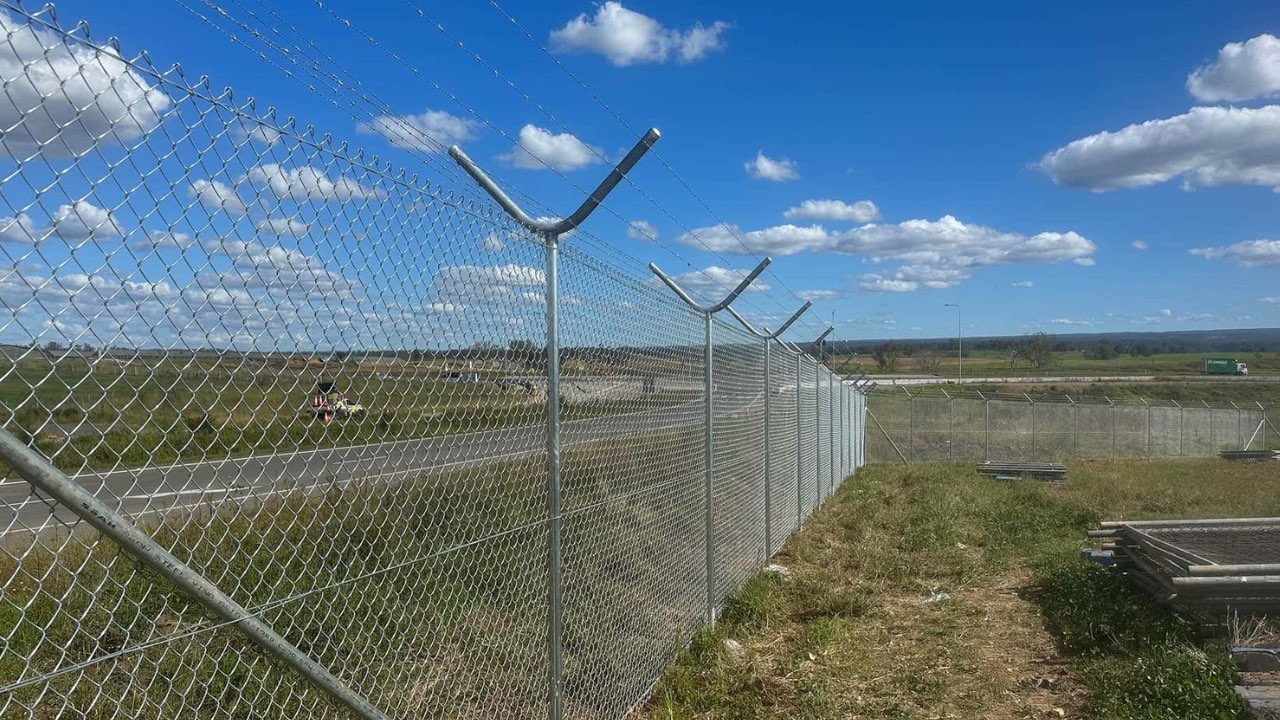
Chainwire with barbed wire suits the outer boundary of a large solar array where the risk is mostly livestock, kangaroos and opportunistic entry. It is the most economical way to enclose a big area, and it is easy to repair. See our chainwire fencing range for heights and wire gauges.
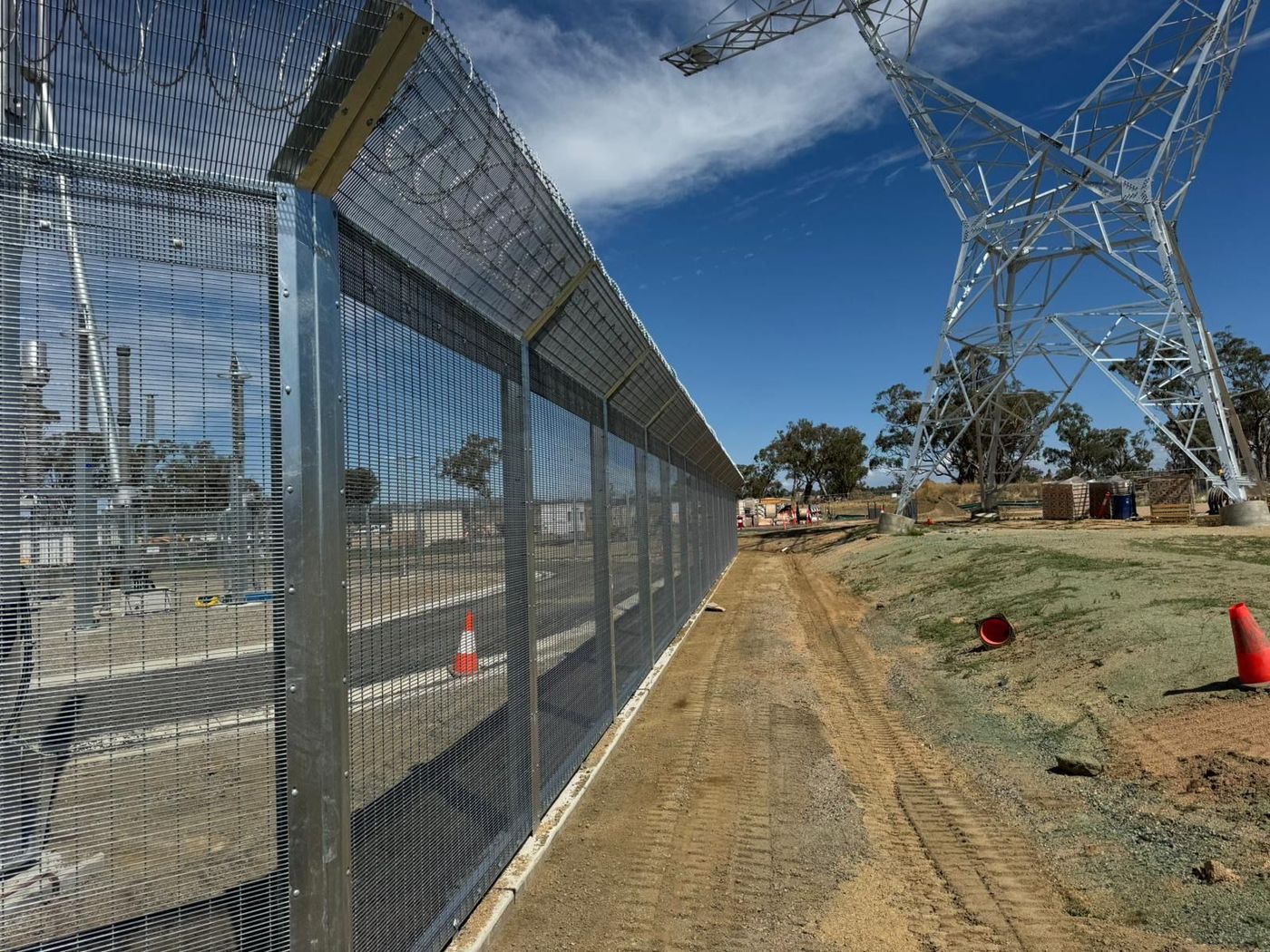
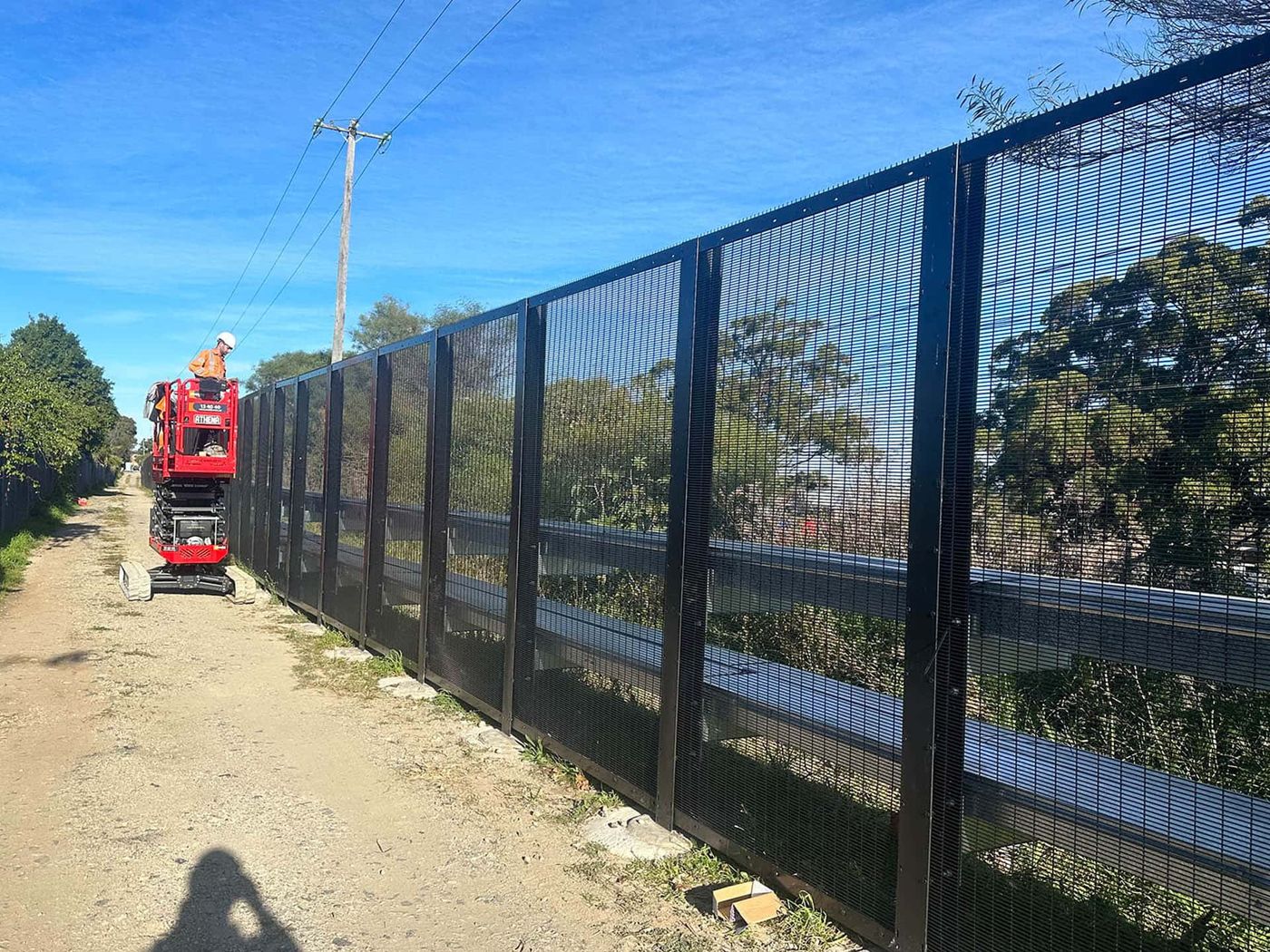
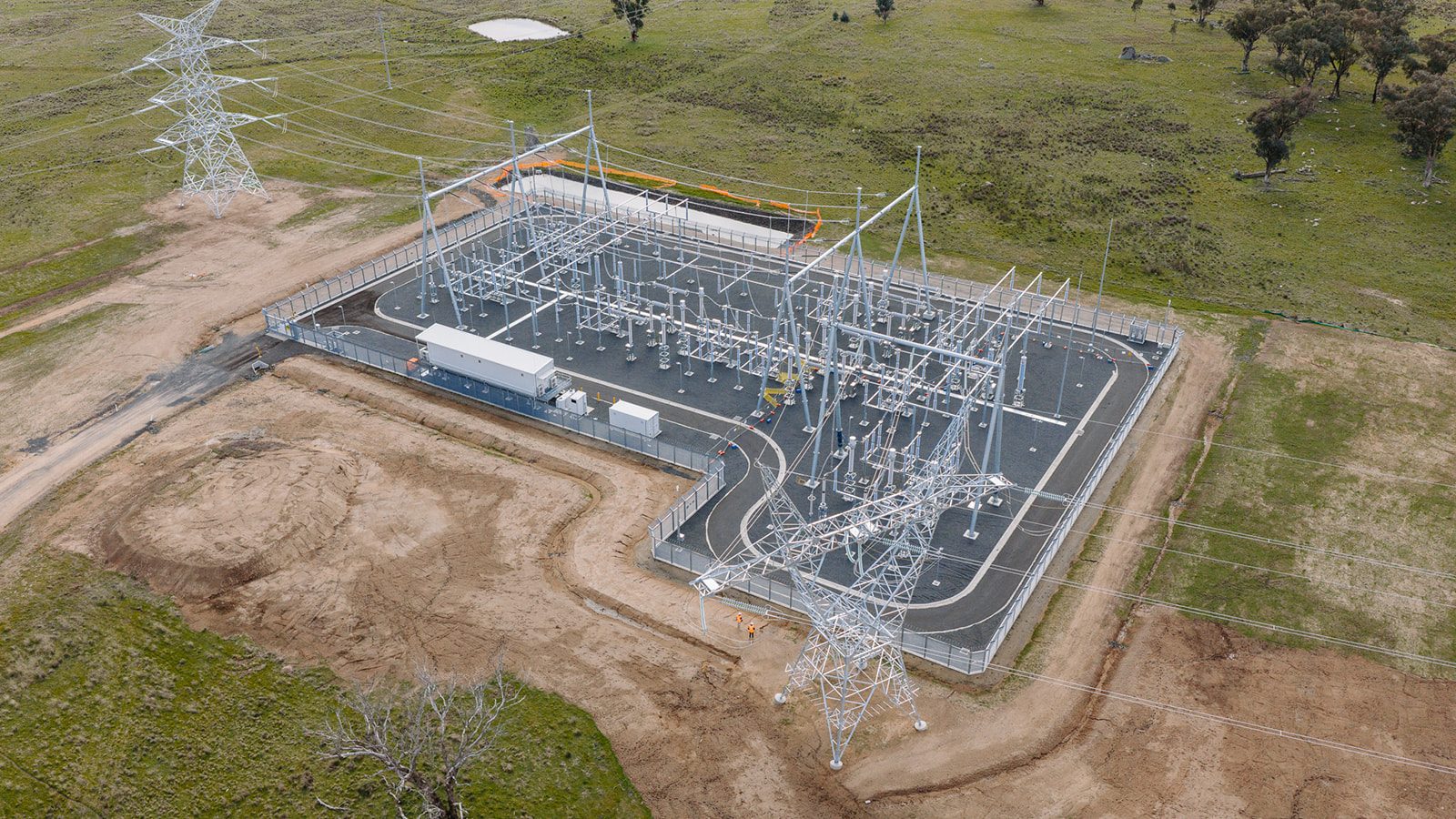
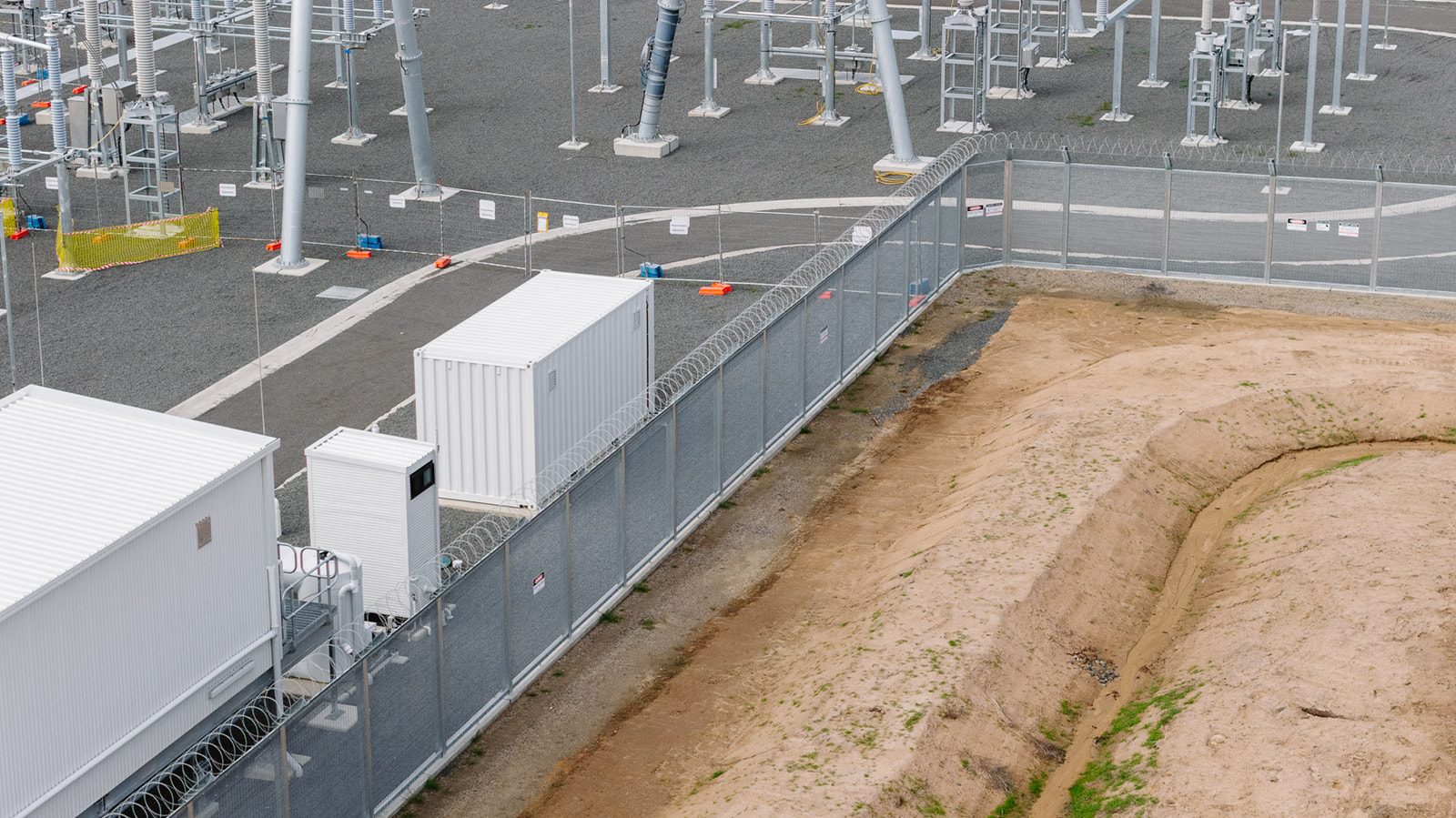
358 anti-climb mesh is the usual choice around the parts of the site that hold the value: the substation, the BESS compound, inverter stations, control buildings and laydown yards. The 12.7mm horizontal aperture gives no foothold and resists bolt cutters.
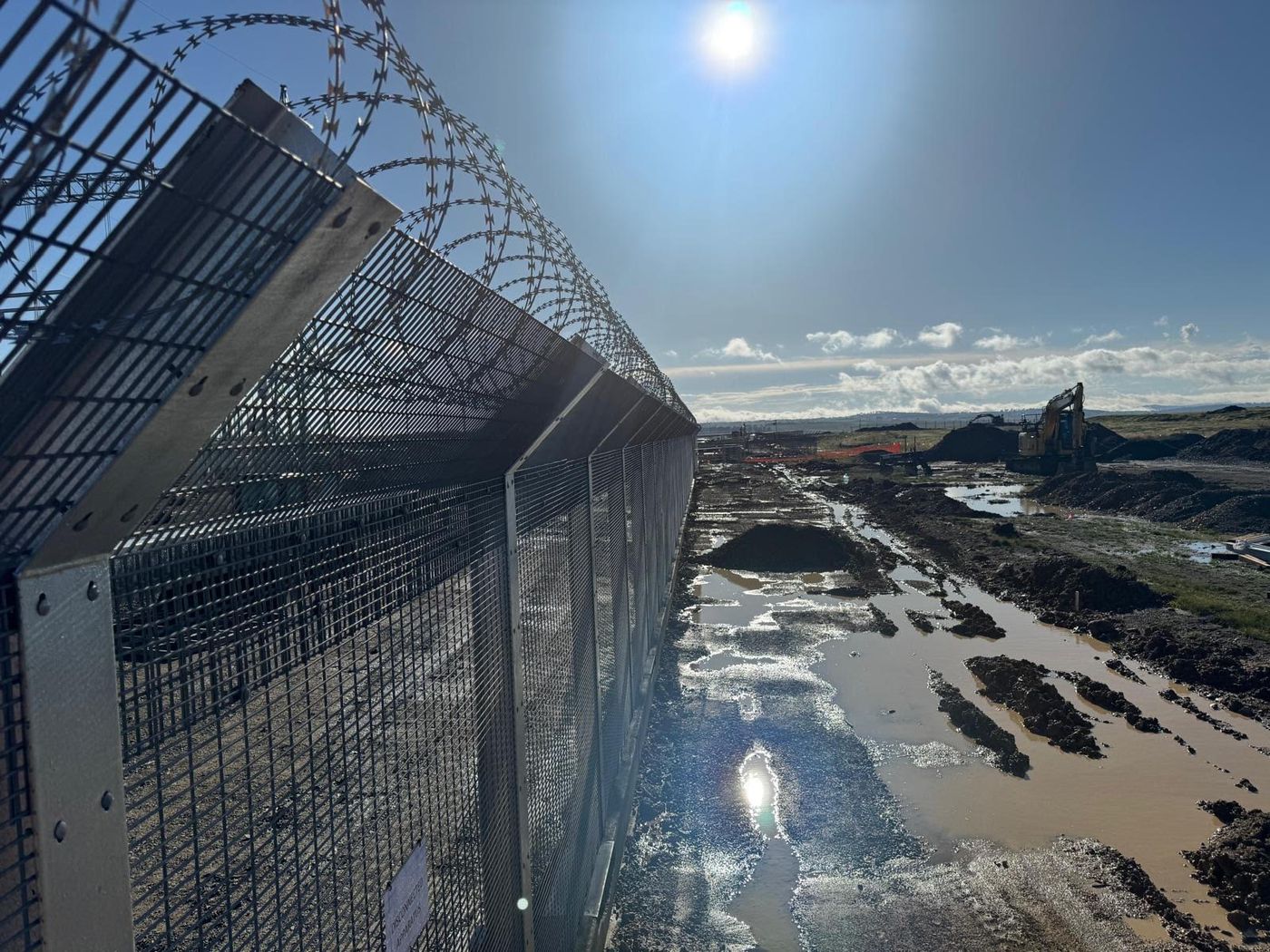
High security fencing with a topping goes around grid connection points, where the network operator sets the standard. The TransGrid New England Solar Farm perimeter at Uralla, installed by LS Fencing Services, is a 3 metre fence with razor wire and a concrete plinth to stop anyone digging under it.
Many sites end up with two lines: a long, cheaper outer fence and a short, much tougher inner compound.
Battery storage compounds need extra thought
A BESS compound is not just a smaller solar farm. Battery containers carry fire risk, and that changes the fence brief.
- Emergency access. Fire and Rescue NSW and the Rural Fire Service need to get in quickly. Gates usually need a manual override or an emergency services key switch, and a clear swept path for a fire truck.
- Separation distances. The layout set by the battery supplier and the fire engineer decides where the fence can sit. Fence lines drawn before that work is done often have to move.
- Ventilation and sightlines. Mesh keeps air moving and lets cameras see in. Solid panels around battery containers can work against both.
- Earthing. A metal fence near high voltage equipment has to be earthed to the electrical designer's drawings. That is not the fencer's call to make on site.
Gates, access control and the people who use them
Gates are where most solar farm perimeters fail, because they are opened every day and left on the latch. Specify them for the traffic they will actually see. A construction site with B-doubles turning in needs a wide sliding gate or a double swing gate with enough room to clear the trailer. An operations site with one technician a week may only need a pedestrian gate and a vehicle gate with a heavy padlock and chain.
Automation is worth it where the site is busy or remote access matters. A keypad, card reader or a gate that can be opened from a control room means nobody has to hand out padlock keys to every contractor.
The honest caveat: higher is not always better
It is tempting to put 3 metre fencing with razor wire around an entire solar array. On most sites that is money spent in the wrong place. The outer boundary of a large array is long, and toughening every metre of it costs a great deal while the valuable equipment sits in a few small areas.
The better approach is usually layered: a sensible outer fence, then serious security around the substation, BESS and storage areas, backed by cameras that can actually see the fence line. Ask the security consultant or the asset owner where the real risk sits before you price the whole perimeter at the top tier.
What to settle before you tender
These questions decide the fence more than the product brochure does:
- Who owns the grid connection, and what standard do they require for the substation fence?
- Where are the BESS containers, and what has the fire engineer said about access and separation?
- What is the ground like? Rock, flood-prone land and reactive clay all change footing design.
- Is there a development consent condition about fence height, colour or visual impact?
- Who will open the gates every day, and how many vehicle movements are expected during construction and after?
- Does the site need temporary fencing during construction that later converts to the permanent line?
The Clean Energy Council publishes guidance for renewable energy developers, and the NSW Planning Portal holds the consent conditions for state significant energy projects. Both are worth checking before the fence is drawn.
Where to start
Start with the grid operator's standard and the fire engineer's layout, then price a layered perimeter rather than one fence type everywhere. If you have drawings or a site plan, send them to LS Fencing Services on 1800 572 878 and we will come back with a priced scope for each section of the fence, including the perimeter security for substations at the connection point.
Specifying or pricing a perimeter?
Send the drawings or a brief and LS Fencing Services will come back with a detailed proposal.