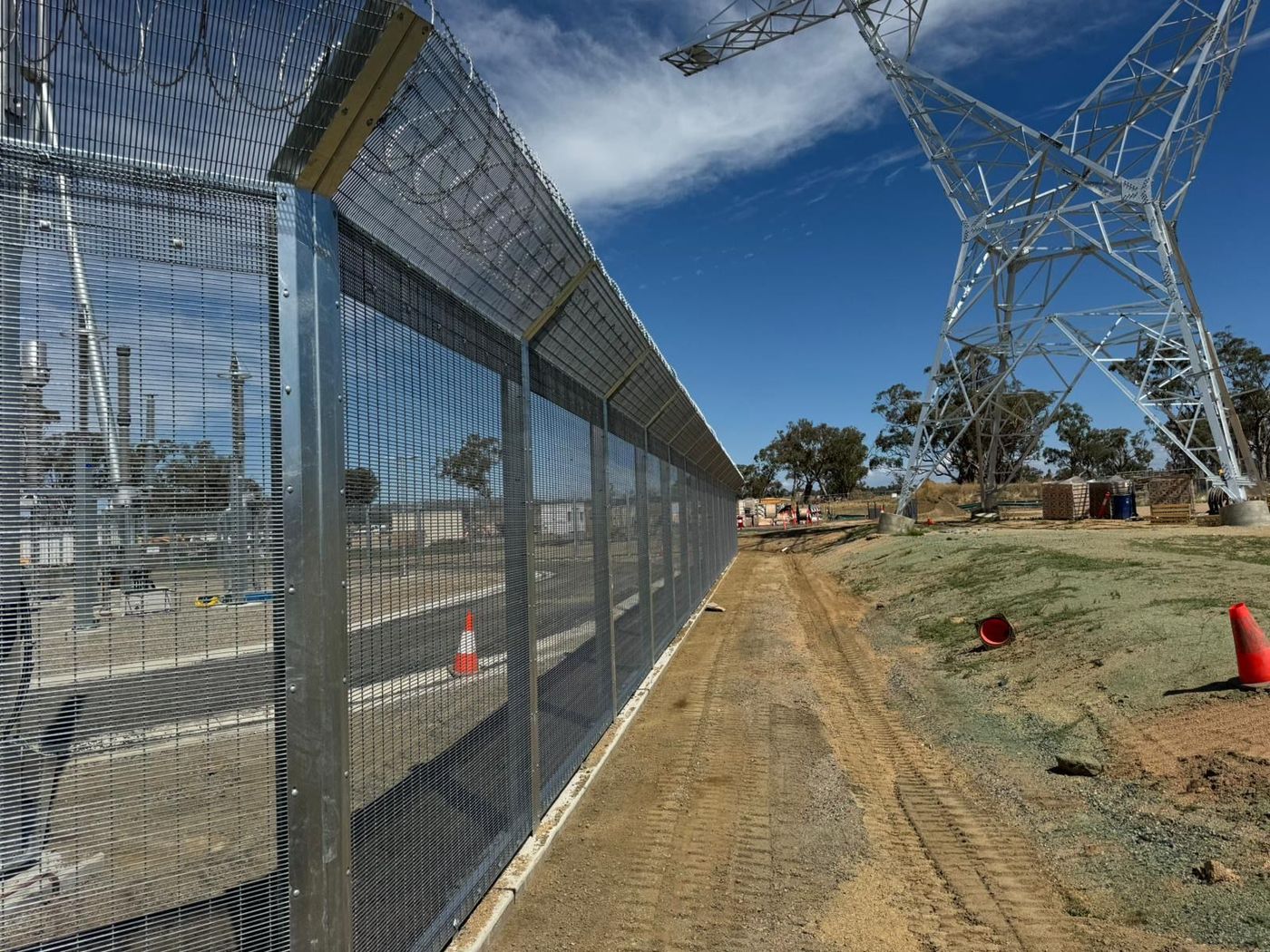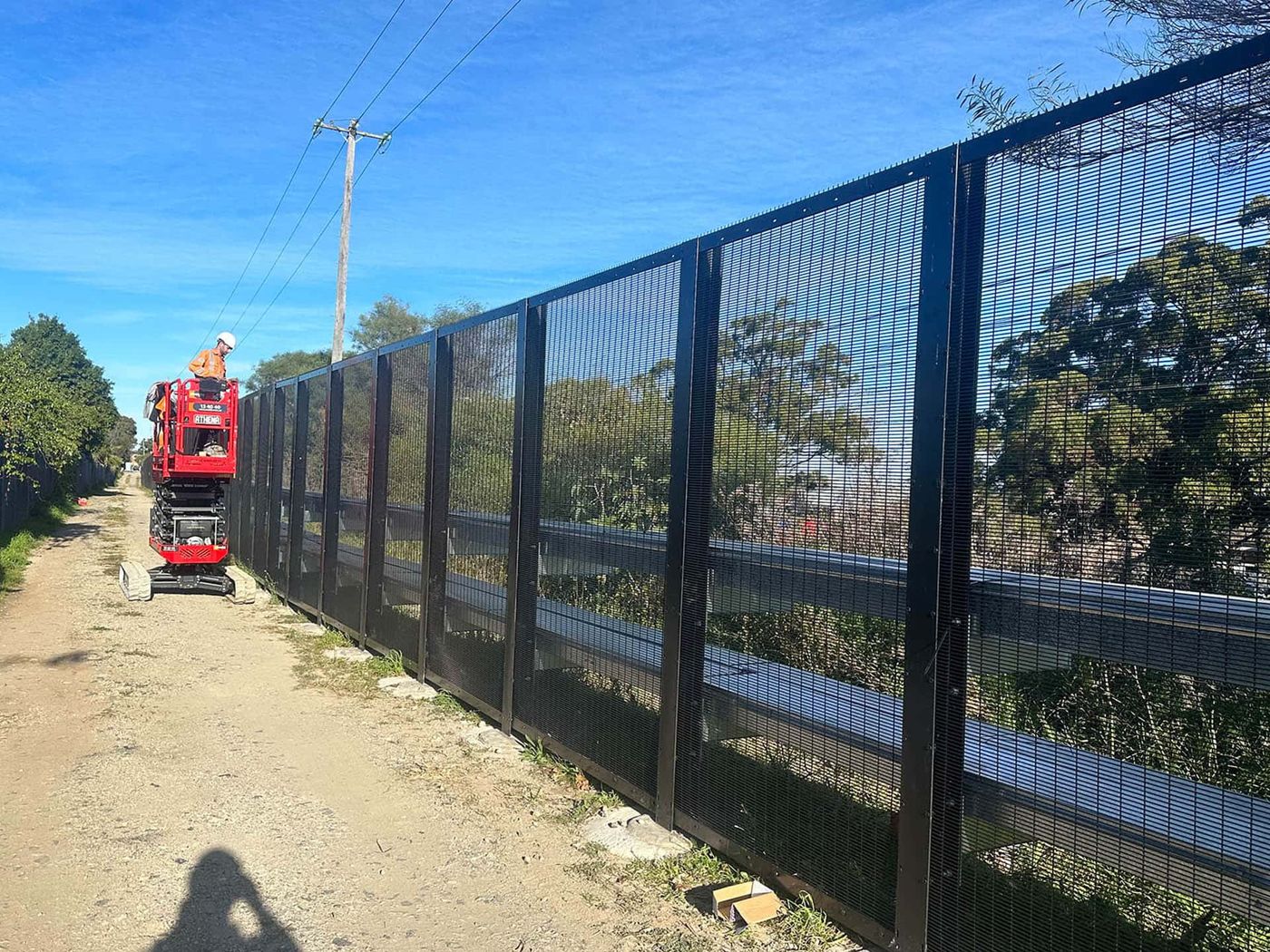
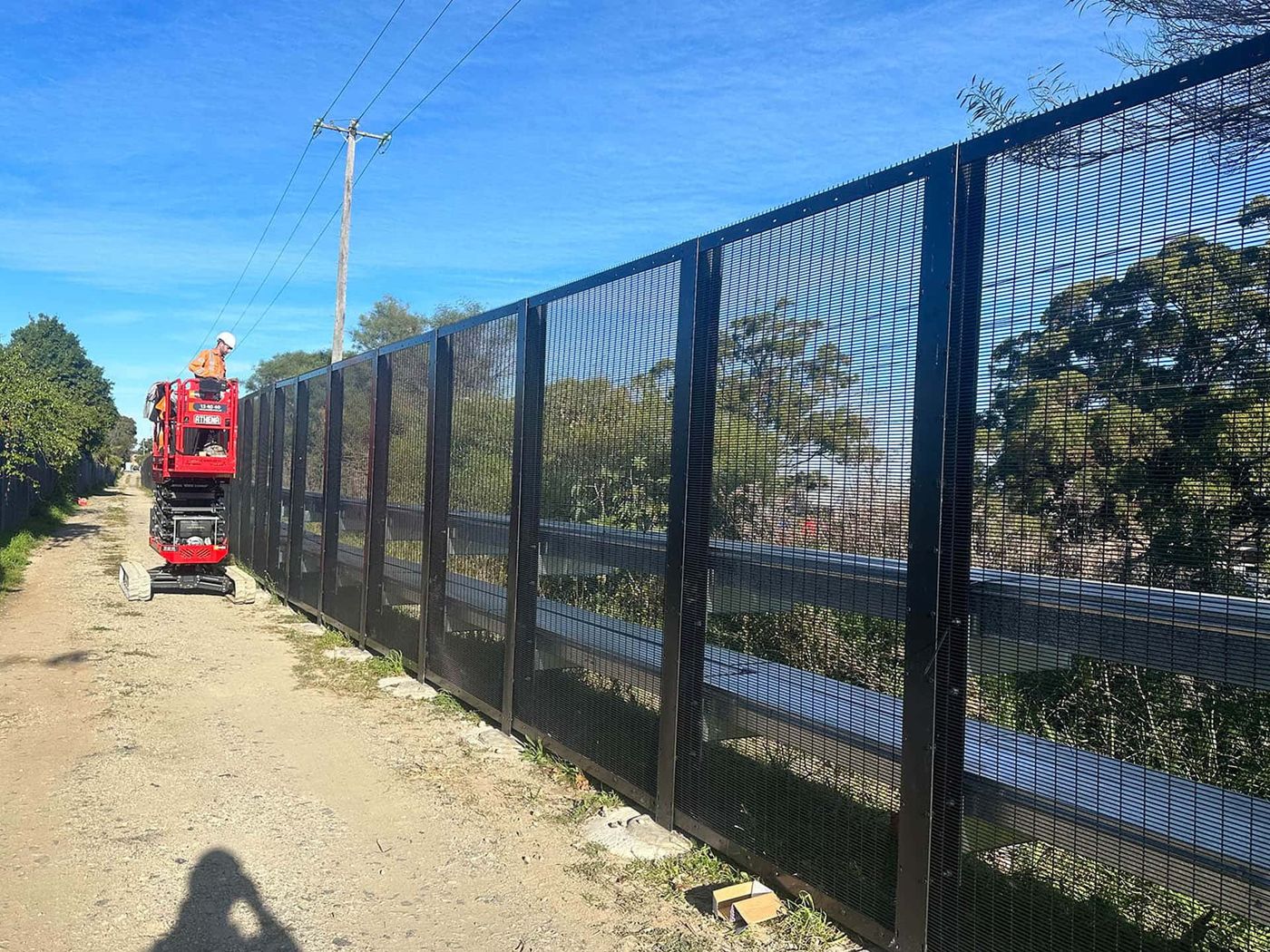
Anti climb mesh fencing is welded steel mesh with apertures too small to get a toe or finger into, usually 76.2mm x 12.7mm (“ 358 mesh “) or 76.2mm x 25.4mm (“656 mesh”). It replaces chainwire on sites where someone climbing the fence, or cutting through it quietly, is the actual risk you are paying to remove.
Anti climb mesh fencing is welded steel mesh with apertures too small to get a toe or finger into, usually 76.2mm x 12.7mm (“358 mesh“) or 76.2mm x 25.4mm (“656 mesh”). It replaces chainwire on sites where someone climbing the fence, or cutting through it quietly, is the actual risk you are paying to remove.
If you are comparing quotes right now, the three things that decide whether the fence works are the mesh aperture, the height, and how the panels are fixed to the posts. Everything else is detail.
Why the small aperture matters
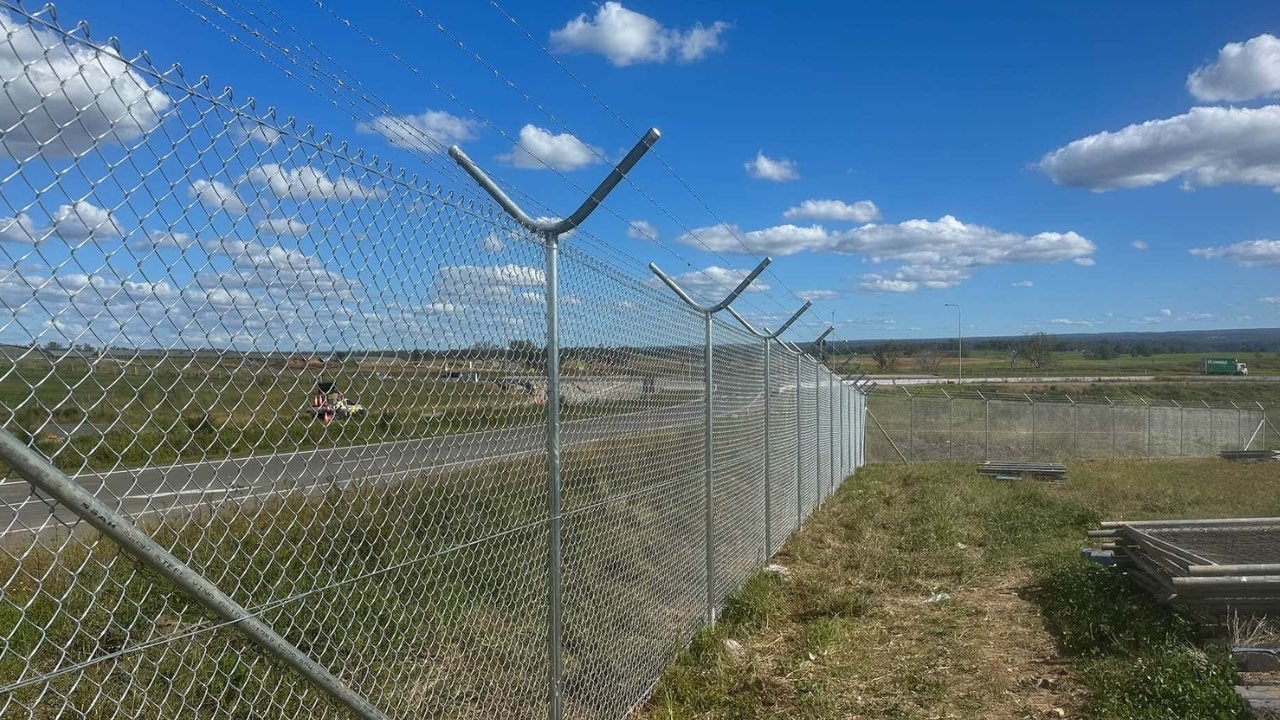
Standard chainwire has a 50mm diamond. A boot toe goes straight in. A pair of bolt cutters gets a clean bite on the wire. Anti climb mesh closes both of those off:
- No foothold. A 12.7mm gap will not take the toe of a work boot or a sneaker. Fingers get very little purchase either, so even a determined climber is working against the fence the whole way up.
- Hard to cut. The wires are close together and the horizontal wires are usually a heavier gauge (commonly 4mm). Bolt cutters struggle to get jaws around a single wire, and cutting a person sized hole means dozens of cuts, not four.
- You can still see through it. Unlike solid sheet or palisade at close spacing, mesh keeps sightlines for cameras, patrols and neighbours. That matters if your security relies on someone or something watching.
358 mesh is the tighter of the two and the usual choice for anything where intrusion is likely to be deliberate rather than opportunistic. 656 mesh costs less and still beats chainwire by a wide margin, and it is a sensible option for perimeters where you mainly want to stop casual entry and stray access.
Where it makes sense in Sydney
The fence type follows the risk, not the property type. Anti climb mesh is usually the right call for:
- Substations, switchrooms, water and telecoms assets
- Depots and yards holding plant, tools, copper, batteries or fuel
- Data centres, logistics and distribution facilities
- Rail corridors, road reserves and infrastructure sites
- Schools, childcare and sports facilities where you want a barrier without turning the place into a compound
- Construction sites moving from temporary fencing to a permanent perimeter
Where it is often overkill: low risk boundary lines, internal divisions inside a secured site, and anywhere the real problem is vehicle access rather than people. A bollard line or a gate upgrade may fix that far more cheaply.
Heights and what each one buys you
Height is the single biggest lever on both security and cost.
| Height | Typical use |
|---|---|
| 1.8m | Boundary definition, low risk sites, sports and school perimeters |
| 2.1m | The common general commercial height |
| 2.4m | Yards and depots with theft risk |
| 3.0m and above | Infrastructure, utilities, high value stock, sites with a history of intrusion |
A 3.0m fence is not just taller. It puts the top rail out of jump and grab range, which is what actually defeats a two person boost.
Check your local council controls before you settle on a height. Sydney councils vary on what needs approval, particularly on a street frontage or in a heritage or conservation area, and industrial zonings are usually more permissive than mixed use ones. It is worth confirming early rather than after the posts are in.
Toppings: barbed, razor or nothing
On a properly specified anti climb mesh fence, a topping is often unnecessary, and that is part of the appeal. If you do add one:
- Barbed wire arms angled outward add height and hesitation for modest cost.
- Razor or concertina coil is a serious deterrent and looks like one. Public frontages and anywhere children can reach need careful thought, because a topping that injures a trespasser can create liability.
- Anti climb spikes or roller bars suit sites where the visual matters and you still want the top edge defeated.
If the fence faces a footpath, most sites are better served by going taller than by adding blades at the top.
The parts of the spec that quotes hide
Two quotes for “358 anti climb fencing” can be very different fences. Ask about these:
Posts and spacing. Usually galvanised RHS or SHS. Larger sections and closer spacing cost more and resist vehicle impact and levering far better.
Footings. Concrete footing depth and diameter should suit the height, the soil and the wind loading. Sydney has everything from sandstone shelf to reactive clay to filled industrial ground, and the same footing will not do in all three. Rock means coring. Fill means going deeper.
Fixings. This is where cheap jobs fail. Panels should be fixed with security fasteners, shear nuts or clamp bars that cannot be undone with a spanner from the outside. Standard bolts on the attack side make the fence pointless.
Finish. Hot dip galvanised is the baseline. Polyester powder coat over galvanising costs more but suits visible frontages and adds life near the coast. Anywhere from Botany to the northern beaches, salt air is a real factor in how long the coating lasts.
Gates. Gates are the weak point on nearly every perimeter. Sliding gates need a clear run and a level track. Swing gates need the space to open. Both need the same mesh and the same height as the fence, plus a plan for hinges, drop bolts, locking and any access control or automation.
Ground condition and mowing strips. A gap under the fence defeats it. On uneven ground you either step the panels, rake them, or pour a concrete strip underneath. Decide which before the quote, because it changes the number.
What drives the price
Nobody can give you a per metre rate over the phone that means anything. The honest answer is that cost is driven by height, mesh type, post size and spacing, footing depth and ground conditions, number and type of gates, finish, and access for machinery and materials. A straight 2.1m run on flat, open industrial land is a different job to a 3.0m run on a sloping site with rock, live traffic and night work restrictions.
When you get quotes, ask each one to state the mesh spec, post size, footing dimensions and fixing type in writing. If a quote will not name those, you cannot compare it.
FAQ
Is 358 mesh the same as anti climb mesh?
Mostly, people use the terms interchangeably, but “anti climb” is the category and 358 is a specific aperture within it. 656 mesh is also sold as anti climb. If security is the whole point of the fence, specify the number, not the label.
Can anti climb mesh be cut through?
With enough time and the right tools, yes. Any fence is a delay, not a wall. The value of the tighter mesh is that it turns a thirty second cut into a long, noisy, awkward job, which is usually enough to send someone elsewhere or give cameras and patrols time to matter.
Can we install it over an existing fence line?
Sometimes the old post line can be reused, but only if the posts are the right size, sound, and correctly footed for the new height and wind load. Panels are heavier than chainwire. A site inspection is the only way to answer this honestly.
Specifying or pricing a perimeter?
Send the drawings or a brief and LS Fencing Services will come back with a detailed proposal.