If you are searching for a high security fencing manufacturer, what you almost certainly need is a supply-and-install chain you can hold responsible: someone who specifies the right mesh or palisade, sources it to the right coating standard, and installs it so the finished perimeter actually performs. Very few Sydney projects are won or lost on who rolled the steel. They are lost on the wrong coating for a coastal site, posts set too shallow in reactive clay, or a gate that fails its first winter.
If you are searching for a high security fencing manufacturer, what you almost certainly need is a supply-and-install chain you can hold responsible: someone who specifies the right mesh or palisade, sources it to the right coating standard, and installs it so the finished perimeter actually performs. Very few Sydney projects are won or lost on who rolled the steel. They are lost on the wrong coating for a coastal site, posts set too shallow in reactive clay, or a gate that fails its first winter.
This is the order most buyers need to work through.
Manufacturer, supplier, installer: who is responsible for what
High security fence systems in Australia are generally made by a small number of steel fabricators and mesh mills, then sold through fencing contractors who design the layout, engineer the footings, and install. Some contractors also fabricate gates and frames in their own workshop.
That matters when something goes wrong. If you buy panels direct from a manufacturer and hire a separate installer, a failure gets argued between two parties. If one contractor supplies and installs, defects, warranty and site compliance sit in one place. For a substation, data centre or rail corridor, that single point of responsibility is usually worth more than a few dollars a metre.
When you ring a supplier, ask plainly:
- Do you manufacture, fabricate gates, or buy in panels?
- Who does the installation, your own crews or subcontractors?
- Who holds the warranty on the coating, and who holds it on the workmanship?
- Can you produce mill certificates and galvanising certificates for what you supply?
Match the fence type to the actual threat
"High security" covers very different products. The question is not which is strongest in the abstract, it is what you are stopping: opportunistic climbers, copper theft, vehicle entry, or nuisance trespass.
| System | Climb resistance | Cut resistance | See-through | Typical use |
|---|---|---|---|---|
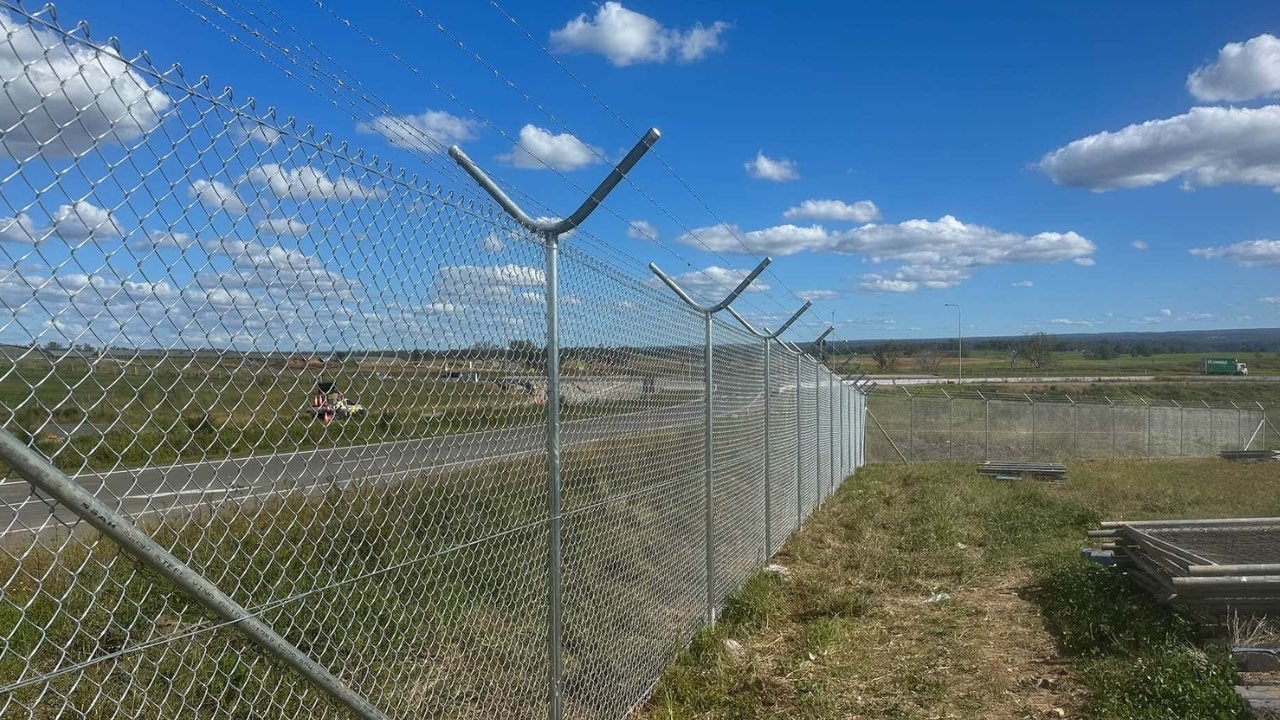
| Chainwire with barbed arms | Low to moderate | Low | High | Yards, depots, boundary definition, budget-driven sites |
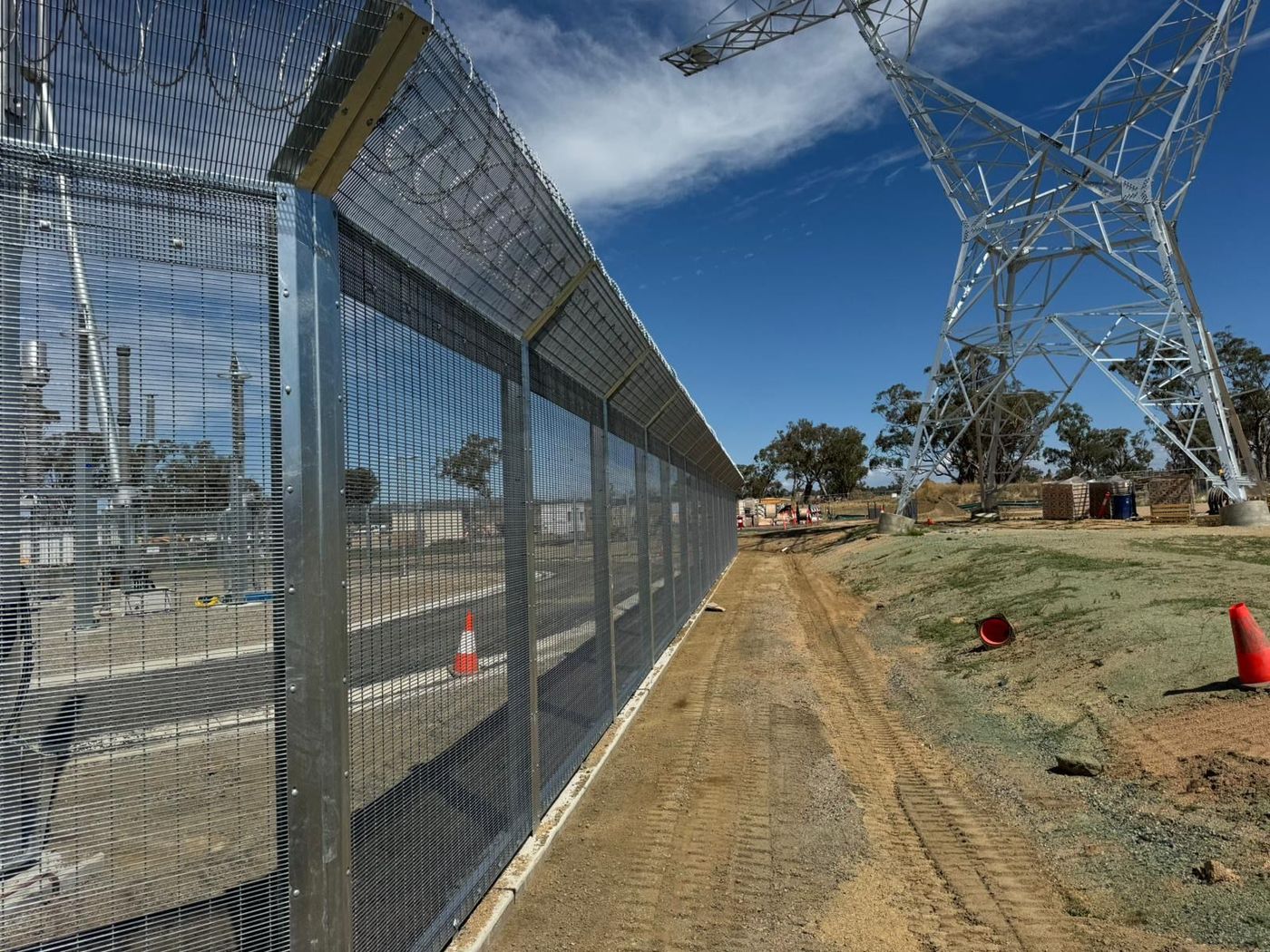
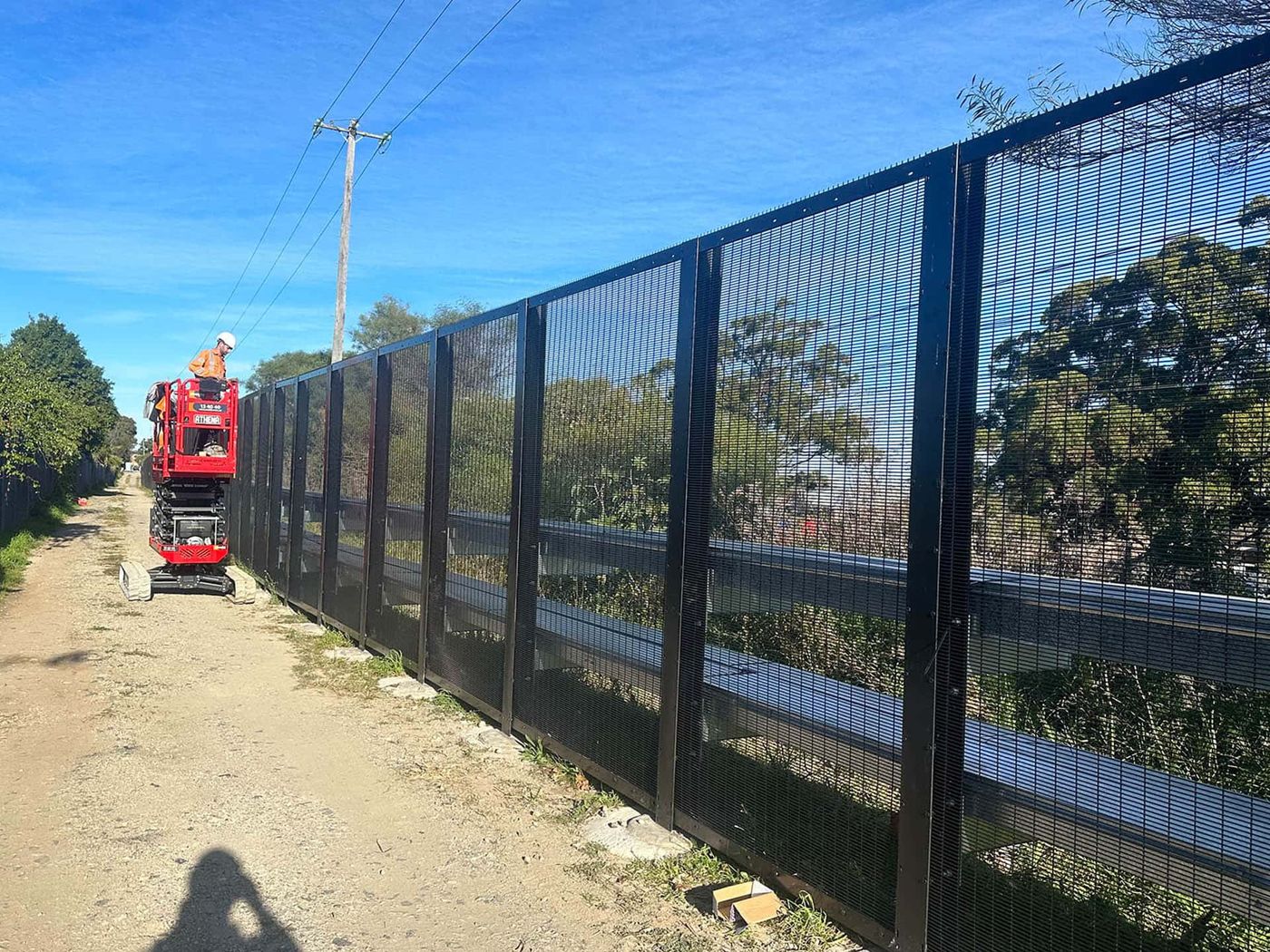
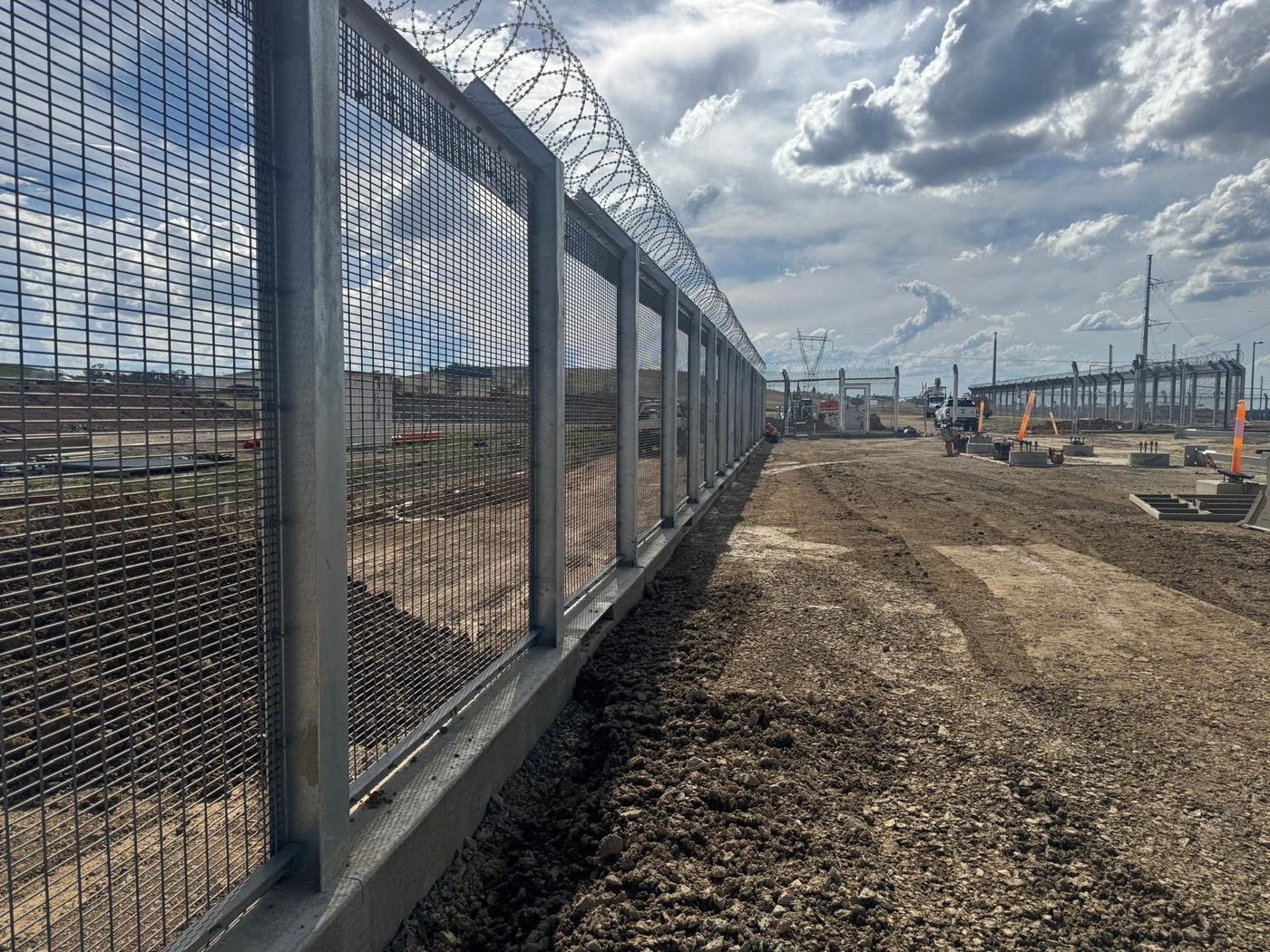
| Welded mesh (358 / anti-climb) | High, apertures too small for fingers and toes | High, needs power tools | High | Substations, data centres, rail, government |
| Palisade | High with spiked or splayed tops | High, heavy sections | Moderate | Industrial estates, plant rooms, sites wanting a hard visual deterrent |
| Welded mesh (standard aperture) | Moderate | Moderate | High | Sports and general commercial perimeters |
If theft of metal or equipment is the driver, 358 anti-climb mesh is the usual answer because the 76.2mm x 12.7mm aperture gives nothing to grip and no room for bolt cutter jaws. If you want a heavier visual deterrent and easier repair of single sections, palisade fencing is worth pricing alongside it. Cost per metre between the two moves with height, coating and post spacing, so compare them on a like-for-like specification rather than a headline rate.
Coating decides how long it lasts
This is where cheap imported panels catch people out. In Sydney, a fence 500 metres from open surf lives in a very different atmosphere to one in Blacktown.
Things to specify and then check on the paperwork:
- Hot dip galvanising to AS/NZS 4680 for fabricated posts, rails and gate frames, with a stated coating mass, not just the word "galvanised".
- Pre-galvanised then polyester powder coated (duplex) where you want colour and longer life in a moderate to high corrosion zone.
- Coating thickness on the mesh itself, not just the frame. Thin zinc on wire is the first thing to bleed rust.
- Cut ends and site-drilled holes treated with a zinc-rich repair coating.
Ask for the corrosivity category the supplier has designed to. If they cannot name one, they have not thought about it.
Standards and compliance you can hold them to
For commercial and government work, the specification usually references Australian Standards for chainlink fabric fencing, for hot dip galvanised coatings, and for wind loading on the completed structure. Powered gates bring in electrical safety and force-limitation requirements as well, which is where a lot of otherwise good fences fail an audit. Current versions are published through Standards Australia.
On top of that, expect your contractor to produce SWMS, site inductions, dial before you dig records, and, on live infrastructure, evidence they can work to your access and isolation rules. Utility, rail and government sites almost always add their own contractor requirements on top of the standard. If you are fencing energised assets, the constraints on substation perimeter fencing go well beyond the fence line itself, including clearances and earthing.
Gates are the weak point
A 3 metre anti-climb perimeter with a poorly built 8 metre sliding gate is an 8 metre hole. Judge a supplier on their gates more than their straight runs.
- Is the gate frame fabricated from box section sized for the span, or a stretched version of a standard leaf?
- Cantilever or ground-track slider, and does the site fall suit it?
- Motor duty cycle: a gate cycling 200 times a day needs industrial gear, not a light commercial operator.
- Safety: photo eyes, safety edges, force testing, and a manual release that works in a power cut.
- Integration with card readers, intercoms, boom loops and site access control.
If gates and automation are part of the job, get them priced properly at the start rather than as a variation. Our notes on gate automation costs explain what actually moves the number.
Getting a comparable quote
The fastest way to get three quotes you can actually compare is to give all three the same information:
- Total length, and a mark-up or site plan showing corners and levels.
- Fence height and whether topping (barbed, razor, spikes) is required.
- Ground conditions if known: rock, fill, contaminated soil, services.
- Number, type and clear width of gates, and whether they are powered.
- Coating and colour requirement.
- Site access rules, working hours, and whether the site stays live during works.
- Whether removal and disposal of an existing fence is included.
Then check each quote states post size and spacing, footing dimensions, mesh specification and coating. Two quotes 20 per cent apart usually differ on post section or footing depth, not on skill.
Lead times
Stock 358 mesh panels in common heights and colours can move quickly. Custom heights, non-standard colours, duplex coatings and fabricated gates take longer, and powered gates add electrical and commissioning time. Build your program around the gates, because they are almost always the long pole. If you are planning a job now, the security fence installation guide walks through the sequence from survey to handover.
FAQ
Is it cheaper to buy panels direct from a manufacturer and install them myself?
Sometimes on paper, rarely in practice. You take on the setout, footing design, coating repair, gate fabrication and compliance evidence. On a commercial site you also lose the single warranty point, which is the thing that matters two winters later.
How high should a security fence be?
Commercial heights commonly run from 2.1m up to 3m, with 3m plus topping typical for utility, rail and data centre perimeters. The right answer usually comes from the asset owner's own security requirements or an insurer, so check those before you settle on a height.
Can existing chainwire be upgraded instead of replaced?
Occasionally. If the posts are sound, correctly sized and at the right spacing, re-sheeting with anti-climb mesh can work. More often the existing posts were never sized for the extra wind load of solid mesh, and replacing them is the honest answer.
Specifying or pricing a perimeter?
Send the drawings or a brief and LS Fencing Services will come back with a detailed proposal.