If you are a council asset, facilities or procurement officer looking at a fence line, the two questions that decide everything are: what is behind the fence, and who is trying to get to it. A depot full of plant and fuel needs a different fence to a sportsground boundary, and getting that call right at the specification stage is what keeps you from re-fencing the same run in four years.
If you are a council asset, facilities or procurement officer looking at a fence line, the two questions that decide everything are: what is behind the fence, and who is trying to get to it. A depot full of plant and fuel needs a different fence to a sportsground boundary, and getting that call right at the specification stage is what keeps you from re-fencing the same run in four years.
Below is what generally matters on council-owned sites, in the order it usually comes up.
Start with the asset, not the fence height
Council portfolios are unusually mixed. The same team can be responsible for a works depot, a reservoir or pump station, a waste transfer station, a childcare centre, a library, a netball court and a bushland reserve. Each has a different threat and a different community expectation.
A useful way to sort it:
- Plant, fuel, tools, copper, batteries. Depots, workshops, storage yards. Theft is deliberate and often equipped with tools and a vehicle. This is anti-climb and anti-cut territory.
- Public safety risk. Reservoirs, pump stations, retention basins, quarry faces, substations and switchrooms on council land. The fence is there to stop entry, and there is a duty of care attached to it.
- Anti-social behaviour and vandalism. Amenities blocks, skate parks, sports pavilions, waste sites after hours. Often the issue is climbing over a low fence at 11pm, not cutting through it.
- Delineation only. Reserve boundaries, garden beds, car park edges. A fence that is easy to see over and cheap to repair is the right answer.
Specifying 358 mesh right around a bowling green wastes ratepayer money. Specifying chainwire around a fuel bowser wastes it too, just later.
Comparing the main options
| Option | Typical council use | Climb / cut resistance | Sightlines | Notes |
|---|---|---|---|---|
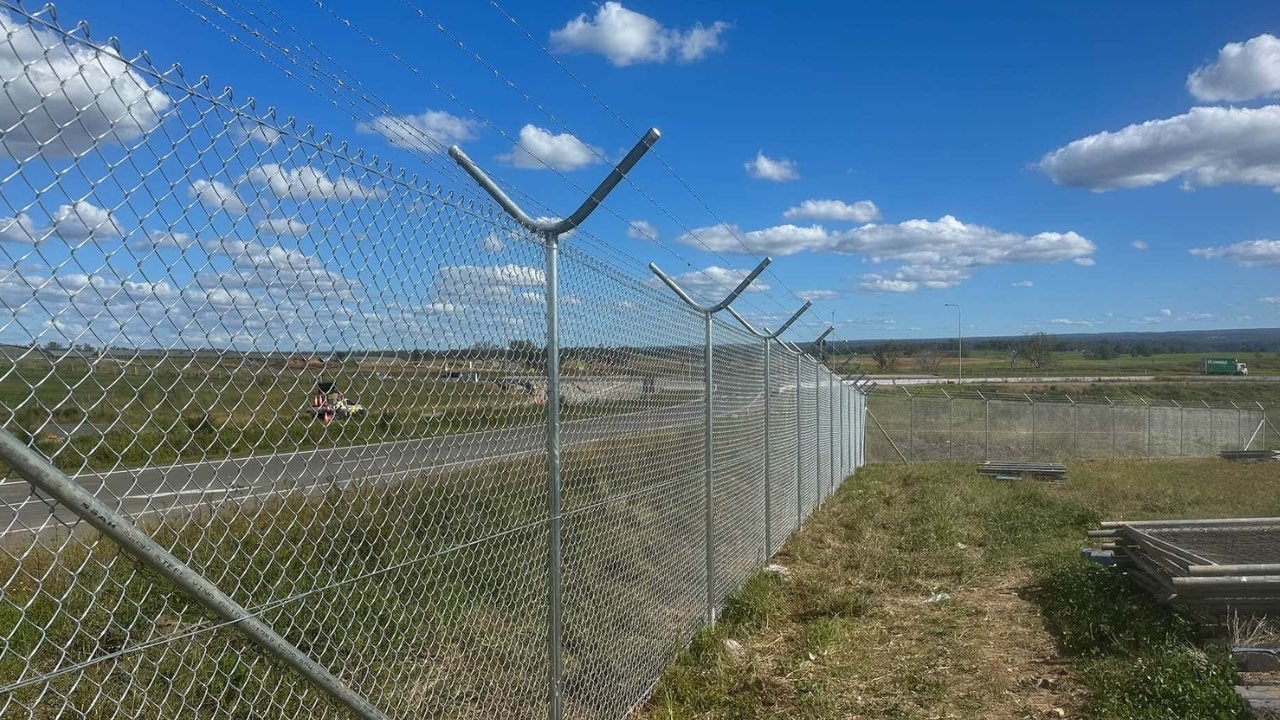
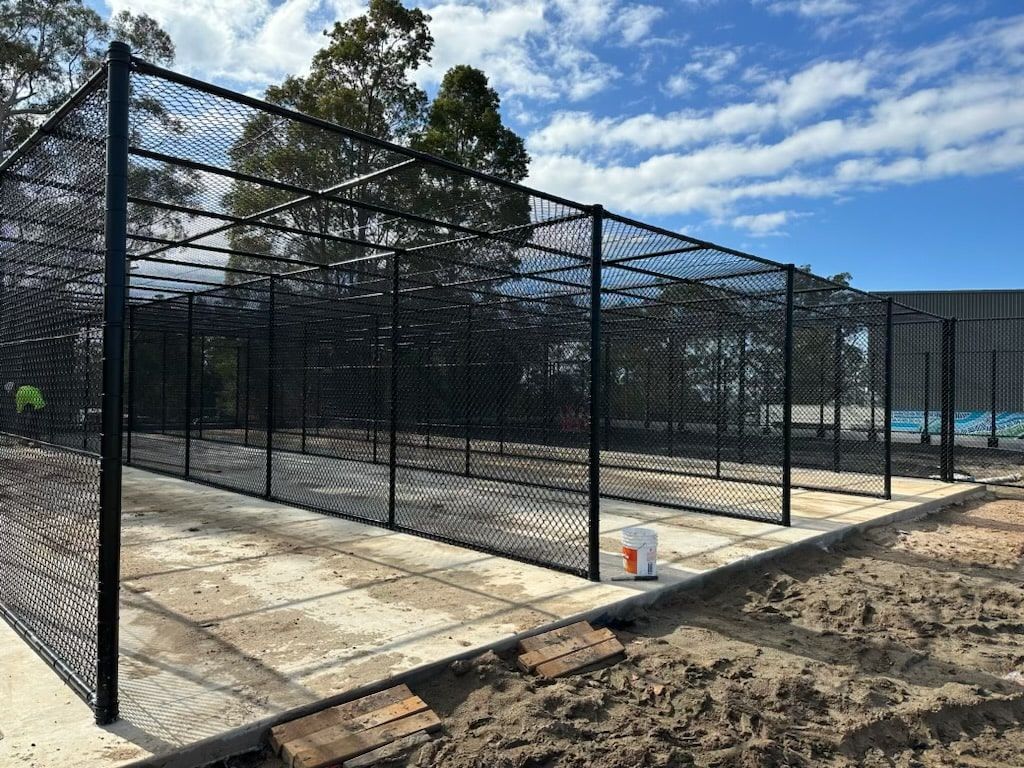
| Chainwire (chain link) | Depot boundaries, sports fields, reserve edges, temporary works | Low to moderate. Easy to climb, cuttable with hand tools | Good | Lowest cost per metre, quick to install and repair, long history of use on council land |
| Welded mesh panel | Car parks, plant rooms, amenities enclosures | Moderate | Good | Neater appearance than chainwire, stiffer panel, less prone to sagging |
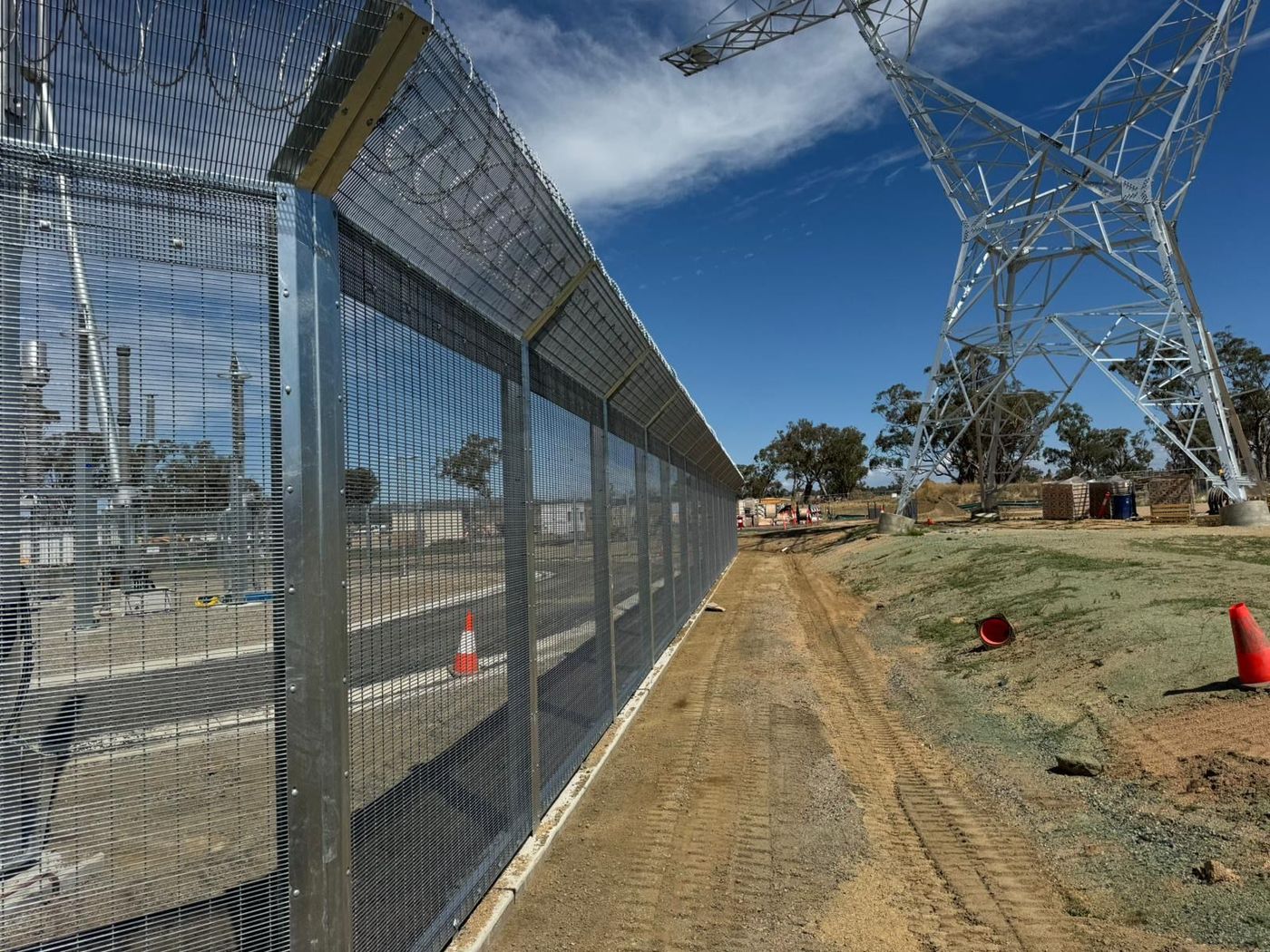
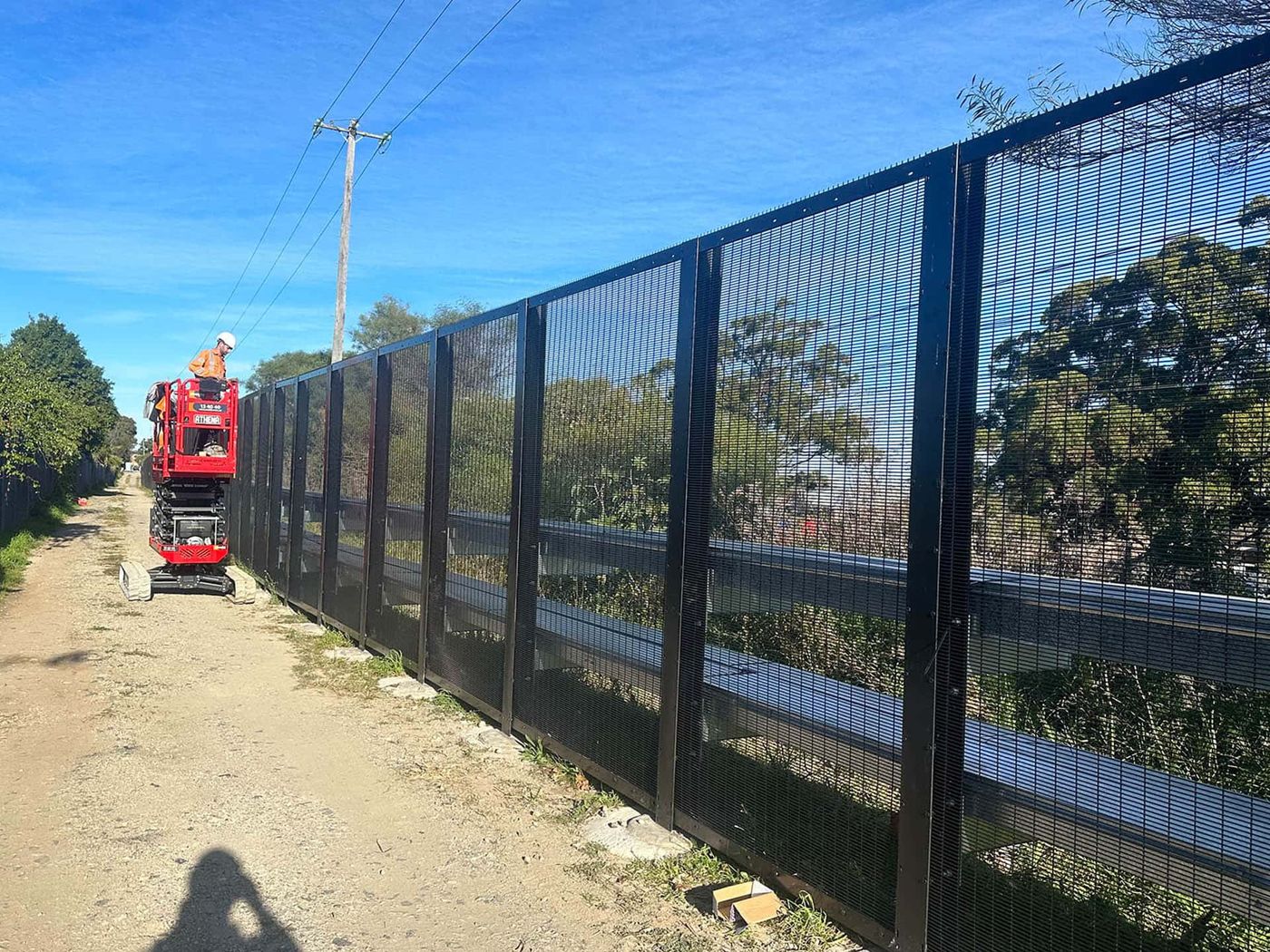
| Anti-climb 358 mesh | Depots, reservoirs, pump stations, waste sites, substations | High. Apertures too small for fingers and toes, hard to lever | Very good, near transparent | The usual choice where theft or public safety drives the brief |
| Palisade | Front boundaries, civic buildings, sites where appearance matters | High, especially with spiked or splayed tops | Good | Strong deterrent look, robust against vehicle nudges and impact |
| Combination runs | Most large sites | Varies | Varies | High security to the vulnerable frontage, chainwire to the back fence line |
That last row is the one councils underuse. Very few sites need the same fence on all four sides. Rating each boundary separately, then running the expensive product only where the exposure is, is usually where the savings sit.
If you want the detail on aperture sizes and why the 358 pattern behaves the way it does, our anti-climb 358 mesh page sets it out, and the palisade fencing page covers the profiles and top treatments.
Standards and compliance to name in the specification
Council work almost always goes out with a standards reference, and it pays to get the right ones in rather than a generic line about "compliance".
- AS 1725 covers chainlink fabric security fences and gates, including the security grades commonly cited on government and utility work.
- AS/NZS 4680 for hot dip galvanising, which is what determines how the fence looks in fifteen years, particularly on coastal or industrial sites.
- AS 4687 for temporary fencing and hoardings, relevant during construction stages.
- AS 1926.1 applies to swimming pool barriers. If your project touches an aquatic centre, that barrier is a separate specialty and not part of a commercial security fencing scope.
Where the site is a substation, switchyard or anything with an electrical asset owner attached, the network operator's own standards usually override yours, and clearances to live equipment become the governing constraint. Our page on high security fencing for utility substations explains how those jobs differ from a normal boundary run.
Standards themselves are published by Standards Australia, and the current status of any standard is worth checking at standards.org.au before it goes in a tender document.
Gates and access are where council jobs get complicated
On a depot, the fence is rarely the weak point. The gate is. Things worth deciding early:
- Who needs in, and when. Waste trucks at 5am, contractors mid-morning, after-hours callouts, emergency services. That list drives whether you need swing gates, a sliding gate, a pedestrian gate beside the vehicle gate, or all three.
- Manual or automated. Automation earns its cost where the gate is used many times a day, where a driver getting out is a safety issue, or where you need an access log. Our gate automation pricing guide explains what pushes the number up or down.
- Access control method. Swipe, fob, keypad, intercom, number plate recognition, or integration with an existing council access system. If you already run a card system across your buildings, say so at tender stage so the gate lands on the same platform rather than becoming a separate set of keys.
- Emergency egress and failure mode. What happens in a power cut, and can a fire appliance get in.
- Clear opening width. Measure against your largest vehicle including mirrors and any turning constraint from the kerb, not against the old gate.
Practical site issues that change the price
When quotes come back at different numbers, it is usually one of these rather than the mesh itself:
- Ground conditions. Sandstone, rock, fill and old slabs all change how footings get in. A rock saw or coring on a Sydney site is a real cost.
- Services. Council land is full of unrecorded conduits, irrigation and drainage. Dial Before You Dig plus non destructive digging near known services should be assumed, not treated as an extra.
- Access for plant. A fence line behind a building, up a batter, or through bushland gets built by hand and takes longer.
- Removal of the old fence. Disposal of old galvanised fabric and concrete adds up on long runs.
- Traffic and pedestrian management. Any fence on a road frontage or in a public reserve during opening hours needs a plan, and sometimes a permit.
- Working around the public. Staged works, temporary fencing between stages, and restricted hours near schools or childcare.
Getting it through procurement cleanly
Council buying rules vary, but the scope is what makes or breaks the comparison. A tender that says "supply and install 340m of security fencing" will produce quotes that cannot be compared to each other.
Include: total metres by boundary, height, mesh or profile type, post size and spacing, coating and colour, footing type, gate schedule with clear openings and operation, access control requirements, removal and disposal of existing fence, and site constraints such as hours and traffic management. Ask for a materials schedule and evidence of galvanising and mesh specification with the quote, not after.
Also ask for insurances, SafeWork inductions, a SWMS, and confirmation of who supervises on site. On rail, substation and water assets there are usually site-specific inductions and permit systems on top of that.
Our security fence installation guide walks through the build sequence, which is useful if you need to explain the program to a depot manager who wants to know how long their gate will be off.
FAQ
Can one fence type cover a whole council depot?
It can, but it usually should not. Most depots have one exposed frontage facing a street or laneway and three boundaries backing onto other secured land. Rating each boundary separately and mixing 358 mesh at the front with chainwire elsewhere generally gives better security for the same budget.
Do we need to fence a reservoir or pump station differently?
Yes. Those sites carry a public safety duty, so the brief shifts from deterring theft to preventing entry, including by children. That normally means anti-climb mesh, no climbable rails or footholds, height that suits the risk assessment, and gates that cannot be lifted off or levered. Asset owner standards may also apply on top of the Australian Standards.
What about fencing around council pools and aquatic centres?
Swimming pool barriers are governed by their own standard and their own inspection regime, and they are a separate trade to commercial security fencing. For the perimeter, plant enclosures, car park and gates at an aquatic centre, that is commercial and industrial fencing work, and the pool barrier itself should go to a pool barrier specialist.
Specifying or pricing a perimeter?
Send the drawings or a brief and LS Fencing Services will come back with a detailed proposal.